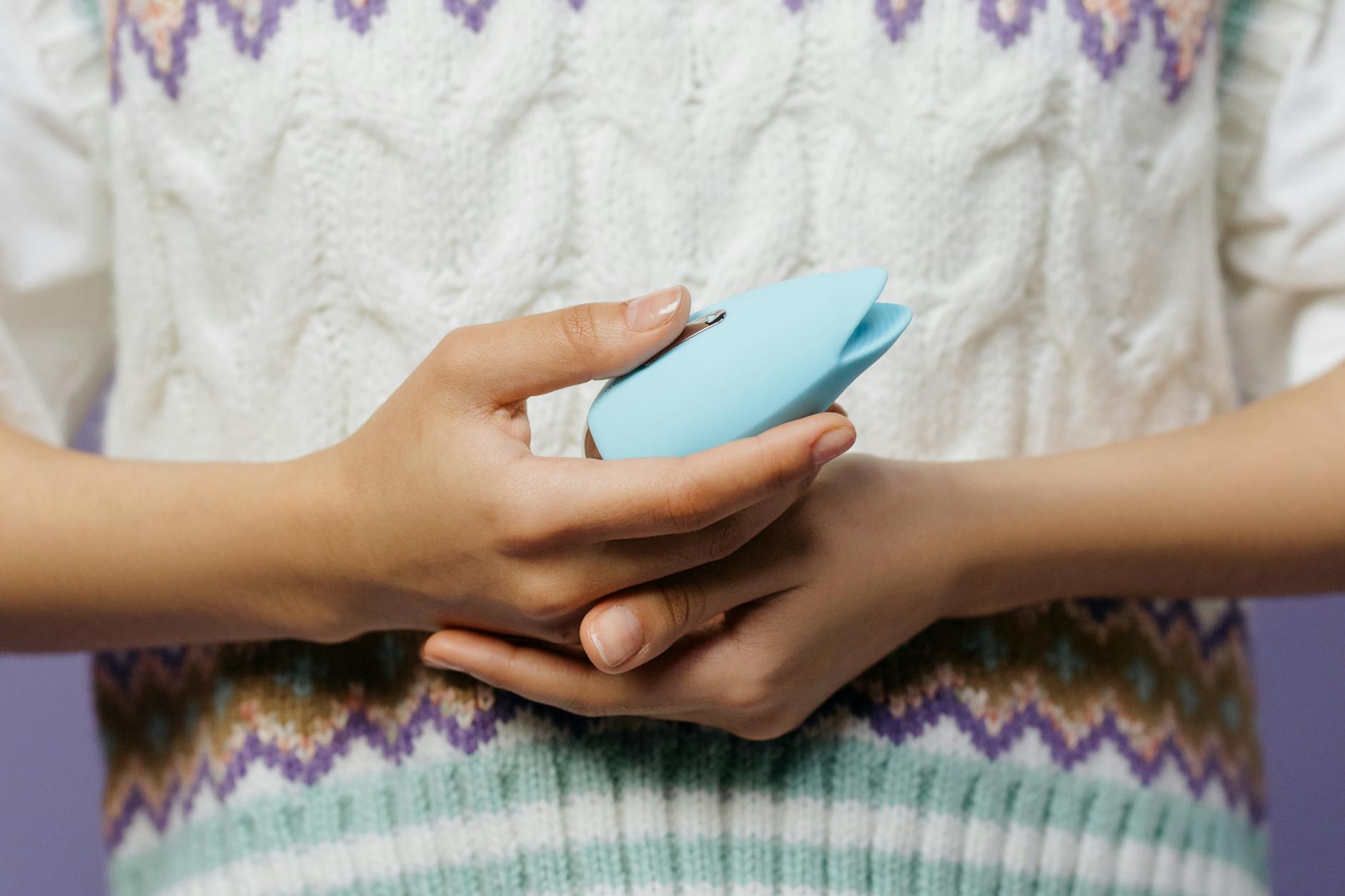
Let's talk about what your IUD actually did to pleasure
If you switched to a hormonal IUD in the last year or two, you've probably noticed something. Maybe arousal feels slower. Maybe orgasms shifted shape. Maybe you need more time to warm up, or different kinds of touch feel better. You're not imagining it. Your IUD didn't break your pleasure. It rewired the hormonal backdrop that pleasure builds on.
Here's what actually happens physiologically, and what it means for the way Lemon clitoral vibrators work for you now.
How hormonal IUDs change the baseline
A hormonal IUD releases a synthetic progestin directly into your uterus. Some circulates systemically (into your bloodstream), but most stays local. This is different from birth control pills, which flood your whole system. The result. Your estrogen levels drop, but not as dramatically as with pills. Your testosterone often drops more noticeably than on oral contraception.
Here's what people experience most often:
Arousal takes longer to build. The clitoris is exquisitely sensitive to both estrogen and testosterone. When testosterone drops, the initial spark takes longer to ignite. This isn't laziness or reduced capacity. It's a shift in how quickly signals fire.
Lubrication changes. Even though it's called "hormonal," an IUD still impacts vaginal tissue thickness and hydration. Most people find their natural lubrication decreases slightly, or takes longer to appear.
Orgasms might feel different. Some report softer peaks instead of sharp ones. Others say they're less frequent but, counterintuitively, more satisfying when they arrive. This is real and common.
Why Lemon clitoral vibrators often feel better on an IUD
This is where it gets interesting. Many people with hormonal IUDs find that clitoral vibrators work better for them than they did before the IUD. Three reasons why.
Suction bypasses the warm-up bottleneck. A Lemon clitoral vibrator uses gentle suction stimulation, not direct friction. Because suction recruits a wider range of nerve endings and doesn't depend on the slow build of natural lubrication, it often feels like you're skipping the first 10 minutes of the usual arousal curve. You're not actually, but it feels that way. The stimulation pattern is different enough that your body responds faster.
The sensation is consistent regardless of hormone fluctuation. If you were using direct vibration before your IUD, you might have noticed that the same speed felt wildly different depending on where you were in your cycle. With a hormonal IUD, hormone levels are much more stable. But the tradeoff is that your baseline of responsiveness shifted. Lemon clitoral vibrators feel good because they're not fighting a moving target. The sensation is predictable.
Lower intensity can feel more effective. Because your IUD lowered testosterone, you might be more sensitive to overstimulation now. Paradoxically, this often means that lower intensity patterns on a lemon vibrator feel more satisfying than the high speeds you might have needed before. Your nerve endings aren't asking for hammering. They're asking for precision.
The practical adjustments that work
I recommend these changes for anyone using a Lemon clitoral vibrator with a hormonal IUD.
Start with pattern 1 or 2. Don't assume you need the power settings you used before. Most people find that patterns 1-3 on the Lem vibrator are the sweet spot now. You can build up, but starting lower prevents that overstimulation feeling that shows up when things are too intense right away.
Budget more warm-up time. Fifteen to twenty minutes of foreplay before introducing the vibrator helps. This isn't a flaw in your body. Testosterone is a major driver of spontaneous arousal, and your IUD shifted that. Giving yourself permission for a longer build is actually smarter than trying to force the same timeline you had before.
Use water-based lube, always. Your natural lubrication might be lighter now. A little water-based lube makes suction feel smoother and prevents that dry-sensation feeling that can show up with air-pulse vibrators on lower-hormone days. It's not cheating. It's adjustment.
Notice the rhythm that works for you now. Before your IUD, maybe you needed constant intensity to get there. Now you might find that a pattern that pulses or varies intensity works better. The Lem vibrator has multiple patterns specifically because different people respond to different rhythms. IUD-havers often gravitate toward patterns that aren't the most intense.
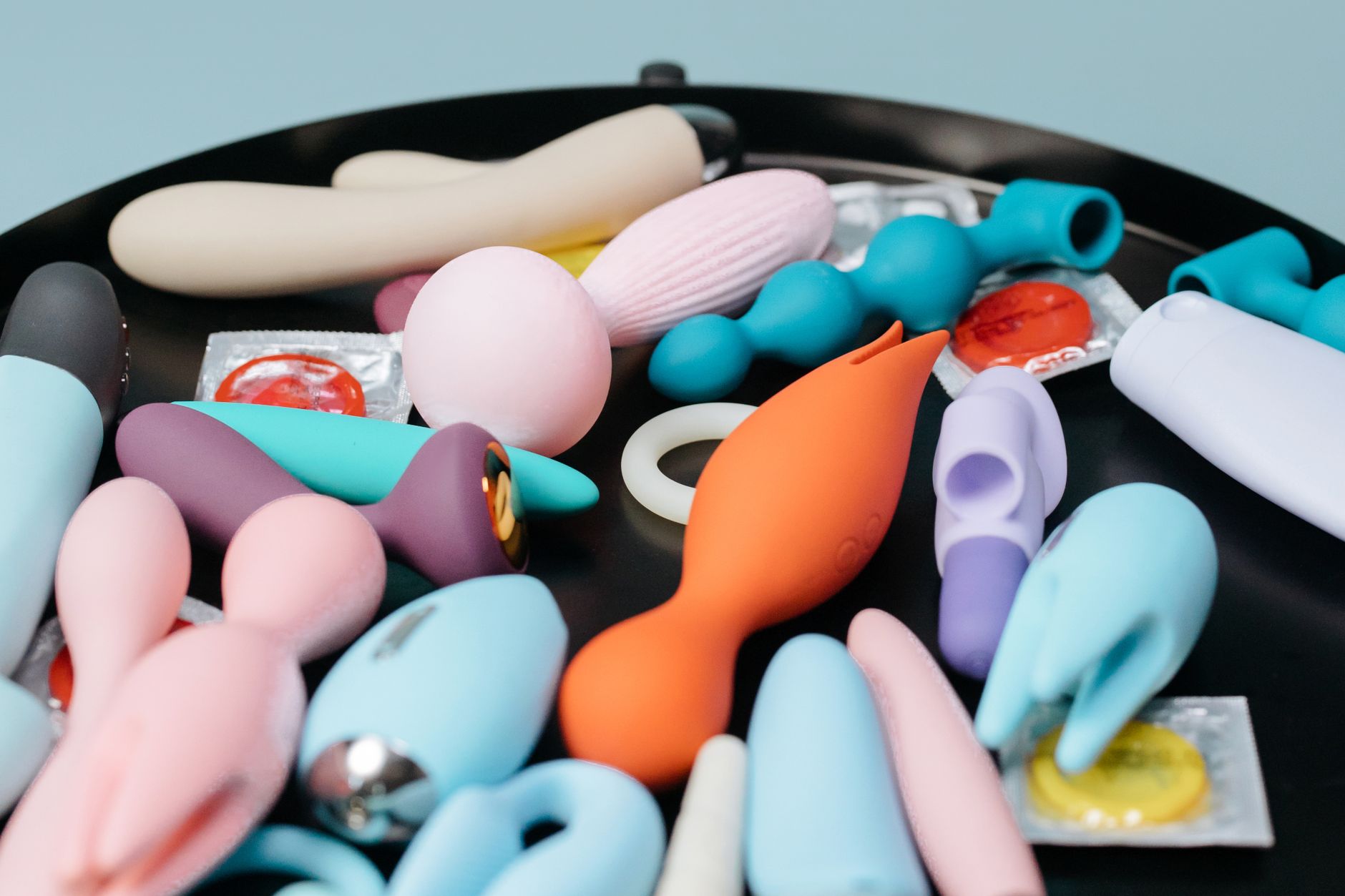
Photo by cottonbro studio on Pexels
When your pleasure response is genuinely stuck
Sometimes the IUD is only part of the story. If you're experiencing complete loss of sensation, pain, or no arousal response even with extended warm-up time and lower intensity, there are other things to consider.
First, timing matters. The first 3-6 months after IUD insertion are adjustment period. Your body is getting used to the new hormonal environment. Pleasure response often settles after that. If it's been six months and things feel worse, not better, it's worth checking in with a clinician.
Second, depression and anxiety often spike slightly after IUD insertion. This is subtle enough that you might not name it as depression, but you might notice you feel flatter, or less interested in things that usually excite you. If that's happening alongside the sensation changes, treating the mood piece (therapy, sometimes medication, sometimes just time) often helps pleasure respond again.
Third, talk to your partner if you have one. When arousal timing changes, the emotional dance around sex sometimes changes too. <a href="/blog/how-to-use-lemon-vibrators-when-both-partners-want-different-things">When partners want different things</a>, miscommunication can make the physical sensation feel even flatter. Clear conversation about what's changed and what you both need helps more than you'd expect.
The upside you might not be seeing yet
Here's what I tell people: an IUD is not a pleasure downgrade. It's a pleasure reset. The reason so many of my clients find Lemon clitoral vibrators feel better after the switch is not that the vibrator is magical. It's that they had to rethink pleasure entirely. And in rethinking it, they often discovered things they like better.
Some people find that because warm-up takes longer, they're actually more present during that time. They're not rushing toward an orgasm they thought should arrive by now. Some find that lower intensity patterns feel less exhausting, which means they can have pleasure more often. Some realize that they were using higher intensity as a workaround for not actually being interested in sex, and the IUD made that clearer.
Your pleasure with a hormonal IUD is not dimmed. It's redirected. Your job is learning the new map.
Common questions about IUDs and pleasure
How long does it take to adjust to pleasure changes after IUD insertion?
Most people notice the shift in arousal and sensation within the first few weeks. The adjustment period where things feel "off" usually lasts 3-6 months. After that, many find that what felt foreign starts feeling normal. Some never fully return to pre-IUD sensation patterns, and that's okay. If you're still struggling at six months, that's when to check in with a clinician. Sometimes a different contraceptive method is a better fit, and that's worth knowing.
Can I use a Lemon clitoral vibrator right after IUD insertion?
Yes, but gently. Wait until any insertion soreness or cramping has passed (usually 1-2 weeks). The first time you use a vibrator after insertion, start on the lowest pattern and take your time. Your tissues are adjusting to the device, and your hormones are adjusting to the IUD. Treat yourself with patience. The pleasure will come back, just differently.
Will my pleasure come back to the way it was before the IUD?
Sometimes yes, sometimes no. Some people's bodies fully re-adjust and pleasure feels almost identical. Others find a new normal that's slightly different but equally good. A few find that the change feels permanent and requires ongoing adjustment. The honest answer is that it depends on your individual body, your hormone response, and sometimes your relationship dynamics. What matters is that you're not broken. You're adapted.
Does the IUD actually lower desire, or is it just sensation?
Both, sometimes. Testosterone drives spontaneous desire. An IUD can lower testosterone, which might mean that desire doesn't just pop up unbidden anymore. Some people experience this as a loss. Others find that when they do initiate or engage, the pleasure is just as strong. The difference is often between spontaneous desire and responsive desire. With a lower testosterone baseline, you might need more external input (a partner's touch, time alone with a Lemon vibrator, dirty thoughts) to kickstart arousal. That's not broken. That's responsive.
Is it normal for Lemon clitoral vibrators to feel too intense after an IUD?
Completely normal, especially in the first few months. Your nerve endings are more easily stimulated when testosterone is lower and when you're still adjusting. Start with the gentlest patterns. You can always build up. If high intensity never feels right and lower patterns do, there's no rule that says you have to use anything other than patterns 1-3. Use what feels good.
Should I tell my gynecologist that I'm using a vibrator with my IUD?
Yes, if you feel comfortable. Most gynecologists are supportive of people exploring their pleasure, and it helps them understand if you mention sensation changes. If your clinician makes you feel ashamed for asking, that's a sign you might want a different one. You deserve a healthcare provider who treats your sexual health as part of your overall health.
What comes next
Your hormonal IUD didn't take away your capacity for pleasure. It changed the conditions under which pleasure builds. Understanding those new conditions, and finding tools like Lemon clitoral vibrators that work with your body instead of against it, is the real skill.
If you're struggling to find sensation, want to explore what works best for you now, or just need to talk through the shift, that's what we're here for. <a href="/contact">Reach out anytime</a>. And if you're curious about how other people adjust to the same shift, we've covered <a href="/blog/how-to-use-lemon-vibrators-when-arousal-takes-longer-to-build">arousal that takes longer to build</a> in other posts. You're not alone in this.