Here's what stress actually does to your arousal
Your nervous system doesn't differentiate between a deadline and a threat. When you're stressed, your body activates the sympathetic nervous system (fight-or-flight mode). Blood flow redirects to your muscles and brain. Cortisol and adrenaline spike. Arousal literally cannot happen in this state because it requires the parasympathetic nervous system (rest-and-digest mode) to dominate.
This isn't a sign your libido is broken. It's a sign your body is doing exactly what it's supposed to do. But when stress becomes chronic—weeks of pressure, relationship tension, financial worry, health concerns—your nervous system gets stuck. Arousal doesn't just slow down. It disappears.
The recovery isn't instant, and it's not just about willpower or finding the right toy. But lemon clitoral vibrators can be a powerful part of retraining your body to access pleasure again when stress has put it on hold.
Why stress tanks arousal in the first place
Three things happen when cortisol stays elevated:
Your brain deprioritizes pleasure signals. The prefrontal cortex (the part that processes pleasure, intention, and desire) gets quieter when you're under sustained stress. Meanwhile, the amygdala (fear center) gets louder. You're not choosing to feel less interested in sex. Your nervous system is literally redirecting computational resources away from pleasure and toward threat detection.
Vaginal and clitoral blood flow decreases. Arousal depends on increased blood circulation to genital tissue. When you're stressed, blood pools in your core muscles instead. This means physical arousal takes longer to build, even when mentally you want it.
Your pelvic floor tightens. Stress causes most people to unconsciously clench their pelvic floor muscles. A tight pelvic floor makes sensation harder to access and can create a catch-22: you can't feel arousal, so you tense more, which makes feeling arousal even harder.
Add it together and you get slow, frustrating arousal that feels stuck at 2 out of 10 even after twenty minutes of touch.
The nervous system reset: getting back into the right state
Before you reach for any toy, you need to downregulate your nervous system. This isn't meditation woo. This is biology.
Five minutes of deep breathing (4-count inhale, 6-count exhale) genuinely reduces cortisol. A warm bath or shower signals safety to your brain. Ten minutes of gentle movement, stretching, or a short walk activates the parasympathetic system. Even five minutes of listening to music you love can shift your nervous state.
The goal isn't to feel completely calm. It's to shift from "I'm defending myself" to "I'm safe." That shift takes about 10 to 15 minutes for most people. Without it, a lemon clitoral vibrator will feel like you're trying to turn on a light switch when the circuit breaker is off.
Once you've done that reset, your body is primed to actually respond to stimulation.
Why lemon clitoral vibrators work for slow-building arousal
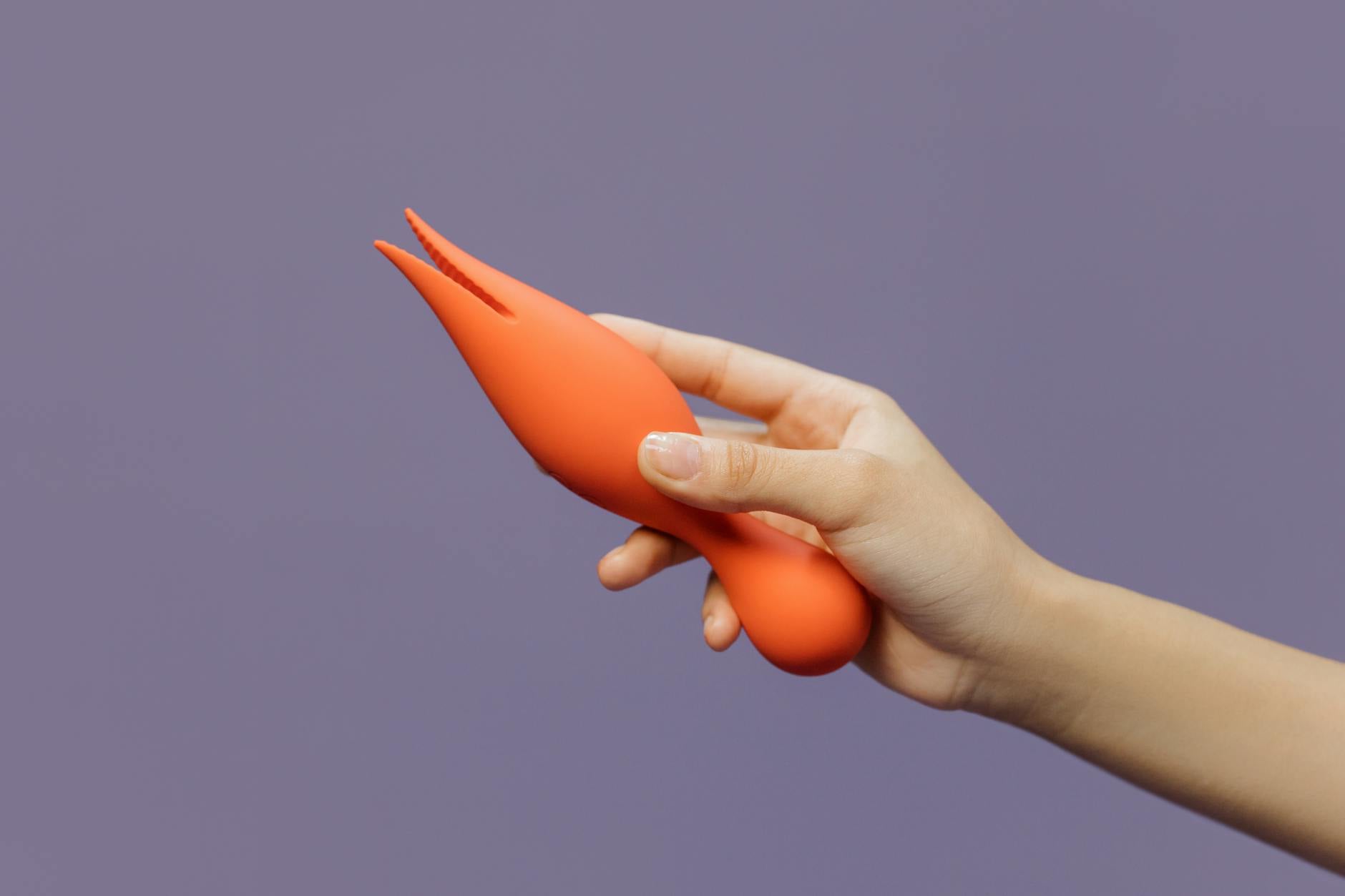
Clitoral suction vibrators like the Lem use air-pulse technology rather than traditional vibration. This matters when your arousal is slow because suction works differently on the nervous system than vibration does.
Traditional vibration can feel overwhelming if you're already understimulated and anxious. It's a lot of input at once. Suction is gentler, more gradual, and it creates a building sensation that mirrors natural arousal more closely. Your nervous system reads it as a continuation of what's already happening rather than a jolt.
Start on the lowest setting. Your goal isn't to rush to orgasm. It's to teach your nervous system that pleasure is happening right now, and it's safe to stay there. When arousal is slow, time is your ally, not your enemy.
The three-phase approach for stress-stuck arousal
Phase One: Exploration without expectation (5-10 minutes). Use your lemon clitoral vibrator on setting 1 or 2. Don't focus on building toward anything. Your only job is to notice sensation. Where do you feel it? Does it change if you angle differently? This phase trains your brain to attend to pleasure signals again after stress has made it tune them out.
Phase Two: Gradual intensification (5-10 minutes). Slowly increase the pattern or intensity. The keyword is slowly. Most people rush here because they're impatient for pleasure. But when arousal has been slow to build, rushing creates frustration, which spikes cortisol again. Instead, spend two to three minutes at each level before moving up. This gives your nervous system time to integrate each stage.
Phase Three: Sustained attention (5-15 minutes). Once you reach a level that feels right, stay there. Your nervous system is learning that pleasure is sustainable, not a fleeting spike. This rewires the pathway between stress and arousal.
Total time: 15 to 35 minutes. This feels long compared to pre-stress arousal. That's normal. You're not broken. You're recalibrating.
Pelvic floor reset while you're using it
Because stress tightens the pelvic floor, consciously releasing it matters. During Phase One, pause occasionally and take three deep breaths while actively relaxing your pelvic floor (the muscles between your anus and genitals). Imagine those muscles softening, opening, melting into the surface beneath you.
You might feel very little sensation the first time you do this. That's expected. A stress-clenched pelvic floor has been working overtime. Give it permission to rest. This usually takes two to three sessions before you notice meaningful release, but it's foundational to getting arousal back online.
The partner conversation (if relevant)
If you're with someone, they need to know what's happening. "My arousal has been slow lately because of stress, and I'm working on it" is a complete sentence. You don't need to explain the neurobiology or apologize.
What helps: them understanding that slow doesn't mean uninterested. That you might need longer warm-up time. That pressure to "perform" or reach orgasm quickly will make your nervous system tighten even more. If they're in the room while you're using a lemon clitoral vibrator, the dynamic shifts from "you should be ready for me" to "I'm taking care of myself and inviting you in." That reframes the entire experience.
The most common mistake couples make is treating slow arousal as a relationship problem when it's actually a nervous system problem. Separating those conversations transforms both.
When to layer in other tools
Lubricant matters even more when arousal is slow, because your body isn't producing enough natural lubrication due to reduced blood flow. Use a water-based lube before you start. This removes friction as a source of frustration and lets your lemon clitoral vibrator do its job without your nervous system having to process discomfort.
If you're still not feeling much after three to four sessions of this approach, consider adding a longer warm-up ritual. Some people find that using a lemon clitoral vibrator in a bath (with the device waterproof, obviously) creates a lower-pressure environment. The warm water itself activates parasympathetic response, and the sensory change signals to your brain that this is separate from your usual stress-state.
Others benefit from combining the Lem or another clitoral vibrator with a partner's touch, or with deliberate fantasy. When arousal is slow, giving your brain something to focus on besides "why am I not turned on yet" helps dramatically.
The timeline for arousal recovery
One session won't fix this. Stress-induced slow arousal usually takes two to three weeks of consistent practice to shift noticeably. By "consistent" I mean four to five times per week, not daily. Your nervous system needs breaks to integrate the new information.
You'll notice progress in micro-moments first. A session where you get to level 4 instead of level 2. A time when you feel sensation in a place you didn't before. A moment where you actually orgasm instead of just stopping frustrated. Track these small wins. Your brain needs evidence that pleasure is returning.
After about three weeks, most people report that baseline arousal has started to return. Stress is still there (stress doesn't vanish), but your body stops conflating stress with "arousal is impossible."
FAQ: Stress and slow arousal with lemon vibrators
How long should I use my lemon clitoral vibrator if arousal is slow?
Start with 15 to 25 minutes total. This feels long, but rushing creates frustration, which actually heightens cortisol. The goal is to teach your nervous system that pleasure takes time right now, and that's okay. Once arousal starts rebuilding, you might naturally shift toward shorter sessions. For now, time is part of the healing.
Will my arousal ever feel as fast as it did before the stress?
Often, yes. But sometimes it shifts permanently, and that's not failure. Chronic stress can lower baseline arousal capacity long-term. The good news: lemon clitoral vibrators and paced sessions rebuild that capacity significantly. You're not aiming for a return to "old baseline." You're building a new, resilient arousal pathway that doesn't collapse when life gets hard.
What if I still feel nothing even after doing the nervous system reset?
That's a sign your stress hasn't fully downregulated yet. Try adding five more minutes of breathing or movement before you start. If nothing happens after a full reset, skip that session. Your body is telling you it needs more recovery time. Using a vibrator when your nervous system is still in fight-or-flight just teaches your body that pleasure is something you have to force, which makes everything worse. Patience here is productive, not procrastination.
Can I use my lemon vibrator if my partner is there?
Absolutely. Some people find it hotter to use a lemon clitoral vibrator while their partner watches or touches them elsewhere. Others prefer solo sessions while building arousal back. Neither is more correct. The key is that you're in control of the pacing, not trying to match someone else's timeline. Once arousal rebuilds solo, partnered pleasure usually follows naturally.
Should I try different patterns or stick with one?
Stick with one pattern for at least three sessions before switching. When arousal is slow, your nervous system benefits from consistency and predictability. It reduces cognitive load. Once you've rebuilt baseline arousal, exploring different patterns becomes fun again rather than frustrating.
Do I need to take breaks from my lemon sexual toy if arousal is slow?
Yes. Four to five times a week is plenty. Your nervous system needs recovery days to integrate the practice. More isn't better. Daily use can actually create pressure ("I should be better by now"), which spikes cortisol and undoes the progress. Treat it like physical therapy, not escape.
The real work starts before you reach for the toy
I'll be honest: a lemon clitoral vibrator is a powerful tool for rebuilding arousal after stress, but it's not magic. The real work is the nervous system reset. The pacing. The permission to take twenty minutes instead of five. The conversation with your partner about what slow arousal means. The decision to stop treating your body like it's failing you and instead treat it like it's protecting you.
Stress is real. Its impact on your body is real. And your capacity to rebuild arousal, even slowly, is also real. A lemon clitoral vibrator becomes most effective when you're ready to do the nervous system work alongside it. That combination is what actually rewires the pathway between stress and pleasure.
If you're struggling to rebuild arousal on your own, talking to a therapist who specializes in sex and relationships can help. So can reaching out to Hello Nancy's team if you have questions about using your device in ways that feel right for your body. Your pleasure is worth the time it takes.