Let's talk about what's actually happening
Medications that help your mental health, blood pressure, or chronic pain often come with a trade-off: sensation feels distant. Your body doesn't respond the way it used to. Pleasure is still possible, but it takes more, longer, differently. Most people don't talk about this, which means most people think they're alone in it.
You're not. And it's fixable.
The numbness you're experiencing isn't your fault, and it's not permanent. What's happening is your medication is affecting the neurotransmitters responsible for both mood regulation and sexual response. Serotonin, dopamine, and norepinephrine all play roles in desire and sensation. When medication stabilizes those chemicals for your mental health, pleasure pathways often quiet down too.
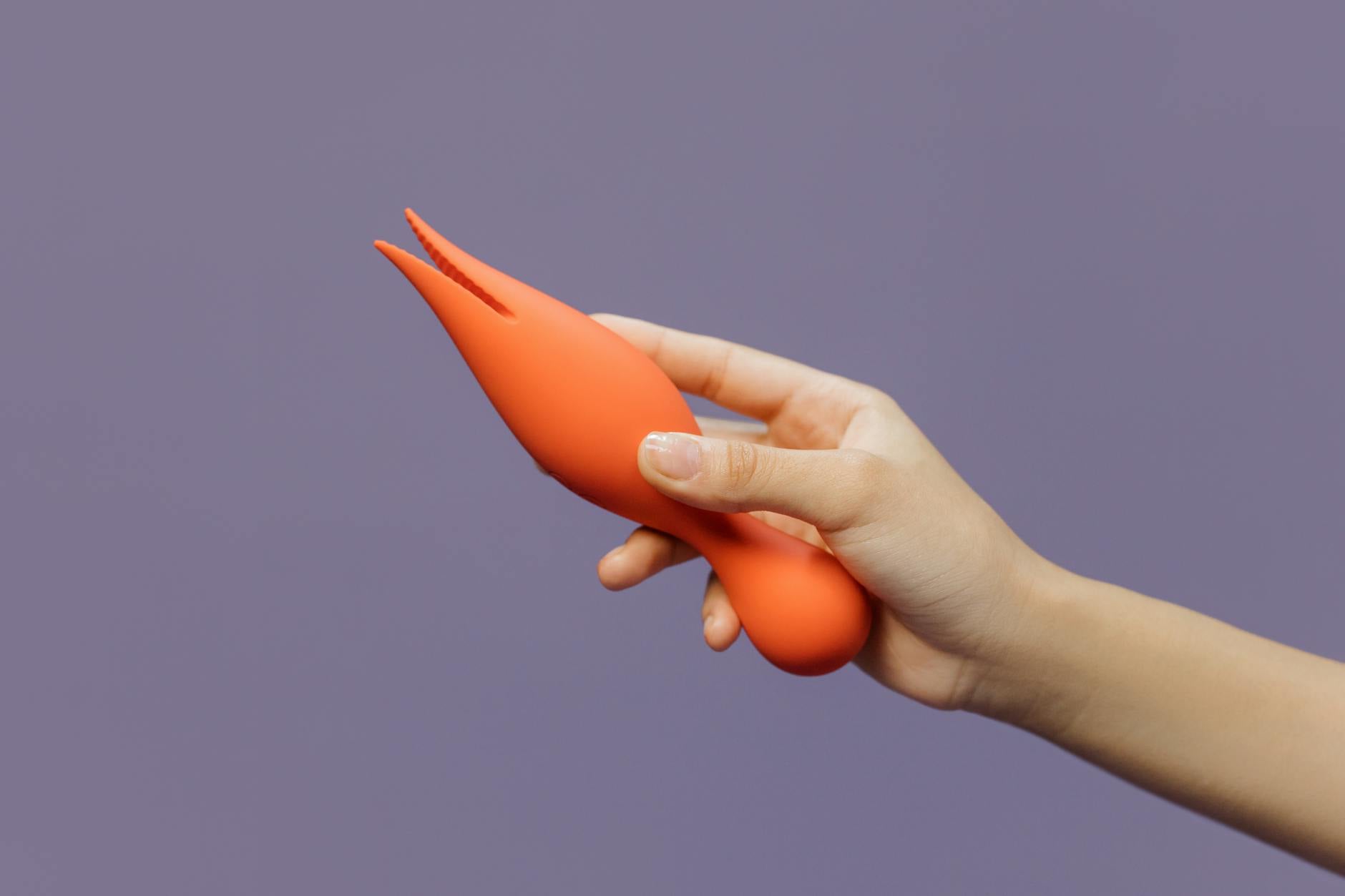
The good news is that clitoral vibrators, especially air-suction models like the lemon clitoral vibrator, work through a different neurological pathway than sensation alone. They create a chain reaction of stimulation that bypasses the flattened circuits and finds intensity where it seemed lost.
Why air-suction vibrators cut through medication numbness
Most vibrators work through direct vibration. Your nerves have to be responsive enough to register that frequency. When sensation is muted from medication, direct vibration can feel like trying to hear a whisper in a noisy room.
Air-suction clitoral vibrators like Hello Nancy's Lem work differently. They create a gentle vacuum that rhythmically draws the clitoral tissue into the cup. This stimulates a broader area of nerve endings and creates a sensation that's less about vibration and more about pressure and rhythm.
Think of it this way: direct vibration is a single frequency trying to push through numbness. Air-suction is a wave pattern that engages the entire clitoral structure. That difference matters when your nervous system is dampened.
Research on oral medications and sexual function shows that users report better results with intensity-based stimulation rather than speed-based. A lemon sexual toy that creates suction pressure tends to feel more noticeable faster than higher-speed vibration patterns.
The medication classes that most commonly affect sensation
If you're on SSRIs (selective serotonin reuptake inhibitors like sertraline or paroxetine), sensation dulling is real and documented. SNRIs (serotonin-norepinephrine reuptake inhibitors) can have the same effect. Beta-blockers used for blood pressure and anxiety also commonly flatten arousal and sensation.
Other common culprits include:
- Antipsychotics
- Certain antihistamines
- Some blood pressure medications
- Opioid pain relievers
- Hormonal birth control in some people
The intensity of this side effect varies wildly. Some people on the same dose experience nothing. Others feel completely disconnected. Your individual neurobiology matters more than the medication itself.
One detail that helps: if you've been on the same medication for 6-12 months and sensation hasn't improved, it's likely a stable effect of that particular medication on your system. That's not failure. It's just your personal chemistry. And it's completely manageable.
How to set up for success with a lemon clitoral vibrator
Before you touch a vibrator, do this groundwork. It matters more than the device itself.
Start with time, not intensity. Give yourself 30-45 minutes minimum. Your brain needs runway to warm up. When sensation is muted, you're not going from zero to arousal in five minutes. That's not a problem with you. That's just how neurotransmitter-dampened arousal works. Budget the time, and you remove the pressure.
Warm up your body first. A hot shower, a blanket, skin contact with a partner if you have one. Medication-muted sensation responds better to gradual nervous system activation. Your heart rate, skin temperature, and blood flow are all players in this. Layer them intentionally.
Locate your anatomy clearly. Grab a mirror. Find your clitoral glans (the visible part). Feel where your clitoral body extends under the hood. When sensation is flat, precision matters. You need to know exactly where you're aiming the cup of your lemon vibrator so you're not wasting pressure on numb zones.
Use lubrication even if you think you don't need it. Many medications reduce natural lubrication. A water-based lube doesn't add sensation, but it does create a seal for the cup that makes the suction more effective. That efficiency means better results in less time.
Using the lemon clitoral vibrator with muted sensation
Here's the technique that works:
Start at pattern 1 or 2. This is lower intensity, longer rhythm cycles. Let your body get familiar with the sensation for 5-10 minutes. You're not chasing orgasm yet. You're teaching your nervous system that this new input exists.
Focus on the rhythm, not the speed. With medication dampening sensation, consistent rhythm will register faster than increasing vibration intensity. Stay with one pattern for a full 10 minutes before moving to the next. Your body is slowly building response. Impatience works against you here.
Try the "sandwich" technique. Press the lemon vibrator cup firmly between your clitoral mound and your hand. Hold pressure for 3-5 seconds, release slightly, repress. This adds manual suction layering on top of the device suction. It creates a compounding sensation effect. Many people with medication-muted sensation report this is the difference between "nothing" and "there it is."
Breathe deliberately. Shallow breathing keeps your nervous system in a lower gear. When you're frustrated that sensation isn't coming, breathing gets even shallower. Breathe deeply into your belly. Let your exhales be longer than your inhales. This activates your parasympathetic nervous system, which is where arousal lives.
When to involve a partner or explore solo
If you have a partner, medication-muted sensation changes the dynamic. Solo exploration first is often smarter. You need to find what works for your individual system without the added pressure of someone else's timeline or expectations.
Try your lemon clitoral vibrator alone 3-4 times before bringing it into partnered sex. Map your own terrain first. Once you know what works, you can show your partner exactly where to be and what rhythm registers. You're in control of the information, which makes communication easier.
When sensation is muted, the temptation is to turn it into something to fix together. Sometimes that works beautifully. Often it becomes another conversation about what's wrong. Keep pleasure exploration separate from couple's issues for now. Your sensitivity adjustment isn't a relationship problem. Don't frame it that way.
The timeline reality
With medication flattening sensation, you're looking at 4-8 weeks of consistent exploration before intensity really shifts. Not every session will feel the same. Some nights you'll feel more. Other nights less. That's not regression. That's normal nervous system variation when sensation is already dampened.
If after 8 weeks you're feeling zero change, consider whether a different vibrator approach might serve you better. Some people find that traditional clitoral vibrators work better than suction models with their specific medication profile. Others need a different class of medication or a dosage adjustment conversation with their doctor.
Talking to your prescriber about sexual side effects is valid medical information. Your doctor cannot help with what they don't know. "This medication is affecting my sensation and I'm interested in exploring options" is a complete sentence. Frame it as health information, not as complaint, and most providers will engage.
What actually changes when you stick with this
You don't necessarily get full sensation back to pre-medication levels. But here's what does shift: you find new pathways to intensity. Your body learns that pleasure is still accessible, just through a different door. The lemon clitoral vibrator becomes that door.
Most people report that after a month or two of consistent, intentional exploration, sensation goes from "I can barely feel this" to "Oh, there it is" to "Actually, this is really good." The last stage is where you realize that medication numbness doesn't mean pleasure is gone. It just means the route changed.
Your pleasure matters even when medications help save your life. Both things are true. Finding them in the same body is the work.