Here's what nobody tells you about antidepressants and sex
Your medication is working. Your mood is stable. You're sleeping better. And somehow, orgasm feels like it's happening in another room, through a thick window, while you're watching it happen to someone else. This is real. It's not in your head. And you're not alone.
Antidepressants, particularly SSRIs (selective serotonin reuptake inhibitors), are phenomenally effective at treating depression and anxiety. The trade-off is that they can flatten sexual response, delay orgasm, or make it harder to reach climax altogether. About 40 to 60 percent of people taking antidepressants report some form of sexual dysfunction. The problem is that most people don't talk about it with their doctor, and even fewer know that there are practical, concrete strategies to work around it.
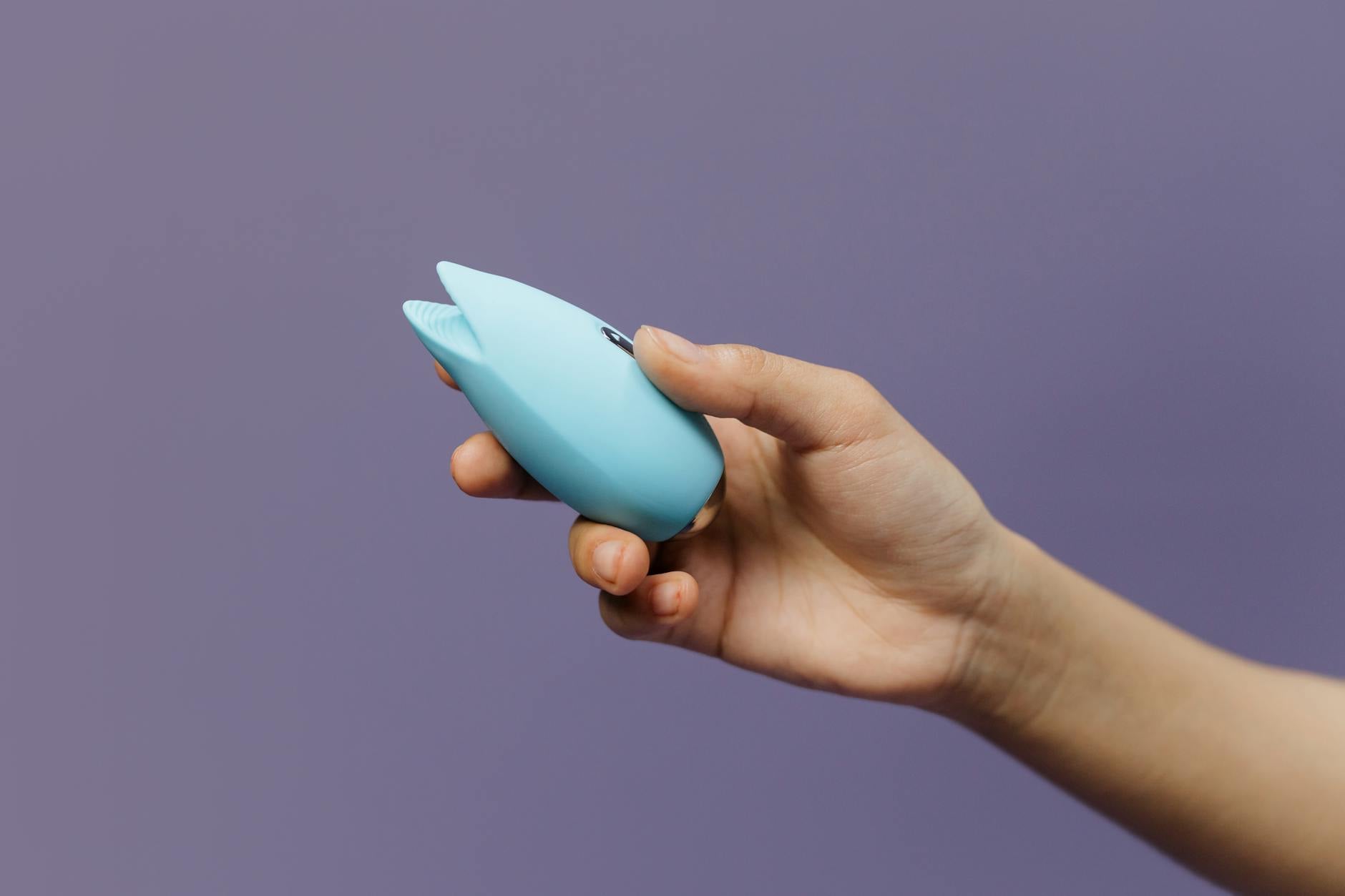
Lemon vibrators, especially air-suction clitoral vibrators, offer a surprisingly effective solution. Here's why they work and how to use them strategically.
Why antidepressants affect orgasm in the first place
SSRIs increase serotonin in your brain by preventing reuptake. That's what stabilizes your mood. But serotonin also plays a role in sexual arousal, genital sensation, and the neurochemical cascade that leads to orgasm. Higher serotonin in some neural pathways is calming and mood-stabilizing. In others, it can suppress the urgency and intensity of sexual response.
The effect shows up in three main ways. First, reduced sensation. Your genitals feel less responsive to touch. Second, delayed orgasm. It takes longer to reach climax, and sometimes you don't reach it at all. Third, reduced intensity. Even when you do orgasm, it can feel muted or less satisfying than before medication.
The good news: none of this is permanent, and none of it means you have to choose between your mental health and your pleasure.
Why lemon clitoral vibrators work better than traditional wands
Most people's first instinct when orgasm becomes harder to reach is to turn up the intensity. Grab a stronger vibrator. Vibrate faster. Push harder. This usually backfires. When sensation is already dampened, chasing it with raw power can actually trigger numbness or pain, especially if you're bearing down or tensing in frustration.
Lemon air-suction vibrators work differently. Instead of vibration alone, they use gentle pulsing suction that stimulates the nerve clusters around the clitoris without requiring direct friction. This is genuinely valuable for antidepressant-related numbness because the suction engages deeper sensory pathways that vibration alone might miss.
Air-suction vibrators are also forgiving. You can use them at low intensities for long sessions without fatigue or pain. The sensation is diffused rather than concentrated, which means your nervous system doesn't fatigue as quickly, and you're less likely to numb out midway through.
How to use a lemon vibrator strategically on antidepressants
Timing matters. If you take your antidepressant in the morning, your medication load is highest at night. Some people find that orgasm is easier in the morning, when the drug concentration is lowest. That's worth experimenting with, but don't stress if the timing doesn't shift things.
Start low and slow. Set your lemon clitoral vibrator to pattern one or two. Yes, it feels timid. That's the point. Your goal right now is not intensity. It's neurological engagement. Lower settings allow you to feel subtle sensations that might get lost at higher speeds. Spend 15 to 20 minutes at a comfortable, low intensity before considering turning anything up.
Focus on arousal, not orgasm. This is the mental shift that matters most. People on antidepressants often fall into a trap of goal-oriented sex. "Can I orgasm? Will I orgasm? How long is this taking?" That anxiety alone suppresses arousal further. Instead, use your lemon vibrator as a tool for sensation exploration. What intensity feels good right now? Where does your attention go when you're not demanding results? Sometimes the orgasm arrives. Sometimes it doesn't. Both are fine.
Use lubricant generously. Antidepressants don't typically affect lubrication the way hormonal changes do, but they can reduce genital blood flow, which means tissues might feel less engorged. Good lubrication improves sensation by increasing surface contact and reducing friction resistance. Water-based lube is safe with any toy.
Build in longer warm-up time. Give yourself 20 to 30 minutes before introducing the vibrator. Touch yourself, use your hands, involve your partner if you have one. The goal is to build genuine arousal before you add the device.
The partner conversation
If you're in a relationship, this is worth discussing directly. Many partners assume slowed orgasm means lack of attraction or desire. It doesn't. You're the same person. Your medication is doing its job. Your pleasure matters.
Some couples find that using a lemon vibrator together changes the dynamic in a positive way. You're no longer performing for each other or racing toward a finish line. You're exploring sensation together. That shift alone often improves intimacy.
If your partner feels displaced by the vibrator, address that head-on. A lemon clitoral vibrator isn't a replacement for your partner. It's a tool that helps your nervous system respond when medication is dampening sensation. Frame it as something you're doing to stay connected and present, not as a workaround for them.
When to talk to your doctor
Your antidepressant is working for your mental health. Don't stop taking it because of sexual side effects. But do talk to your prescriber. There are several options worth discussing.
First, timing. Some people find that taking their dose at night instead of morning shifts when the side effects hit. Second, dosage adjustment. Sometimes a slight dose reduction improves sexual function without compromising mood stability. Third, medication switch. Not all SSRIs affect sexuality equally. Sertraline and paroxetine tend to have higher sexual side-effect profiles than some others. A different SSRI might work equally well for your mood with fewer sexual impacts.
Fourth, add-on strategies. Some doctors prescribe bupropion (Wellbutrin) alongside SSRIs specifically to counteract sexual side effects. Fifth, medication holidays. Some people find that skipping a dose 24 to 48 hours before planned sex improves response. This only works for certain medications and only with your doctor's approval.
None of these changes mean you're weak or difficult. Sexual function matters. Your doctor should take that seriously.
What you might experience after switching your approach
When you start using a lemon vibrator at lower, sustained intensities instead of chasing intensity, you might notice that sensation gradually sharpens. This isn't immediate. It takes several weeks of consistent use. Your nervous system needs time to learn that it's safe to feel pleasure again.
You might also discover that your orgasm pattern changes. Maybe it takes longer but feels deeper. Maybe it's less intense but more full-body. Maybe you experience multiple smaller releases instead of one big one. None of these are worse. They're just different. The goal isn't to recreate what you had before medication. It's to find what works now.
Some people report that once they've reclaimed pleasure using a lemon clitoral vibrator consistently, sexual response gradually improves even without the device. That might mean your nervous system is learning new pathways. Or it might mean the anxiety around performance has lifted. Either way, you're moving in a direction that feels good.
People also ask
Can I use a lemon vibrator if I'm on multiple antidepressants?
Yes. The principle is the same regardless of which or how many medications you're taking. Start low, go slow, and focus on sensation rather than outcome. If you're on multiple psychiatric medications, the sexual side effects might be more pronounced, which means patience is even more important. A lemon air-suction vibrator is still a solid choice because it offers diverse sensation options at sustainable intensities.
Will my sexual function improve if I stay on antidepressants long-term?
Sometimes. Some people experience adaptation where sexual side effects diminish over months or years as their body adjusts to the medication. Others find that side effects stay consistent. The most reliable predictor is the specific medication you're taking, your individual neurochemistry, and your overall stress level. Mental health and stress both affect sexual function, so staying stable on a medication that works for your mood can actually improve sex life overall, even if the medication itself has side effects.
Is there a lemon vibrator that works best for antidepressant-related numbness?
Air-suction vibrators like the Hello Nancy Lem are engineered specifically to engage sensation in a way that traditional vibration alone doesn't. The gentle pulsing suction provides sensory input that cuts through numbness more effectively than high-frequency vibration. That said, every body is different. What matters is that you can control intensity and spend time at lower settings without the device wearing out or becoming uncomfortable.
What if I'm on antidepressants and still can't orgasm even with a lemon vibrator?
First, give it time. You're retraining your nervous system, and that takes weeks, not days. Second, check that you're actually starting low enough and going slowly enough. Many people think they're "starting low" when they're really at medium intensity. Third, consider whether other factors are at play: stress, relationship dynamics, body image, past sexual trauma, or other medications. A lemon vibrator is a powerful tool, but it's one tool. Sometimes working with a sex therapist alongside your psychiatrist is genuinely helpful.
Can I take my antidepressant dose later in the day to improve orgasm timing?
Only with your doctor's approval. Some antidepressants are formulated to be taken once daily at a specific time because that's when they're most effective. Others have more flexibility. Don't adjust the timing on your own. Talk to your prescriber first. They can tell you whether a timing change is safe and whether it's likely to help.
Do I need to tell my partner about using a lemon vibrator for antidepressant side effects?
That depends on your relationship. If you're in a partnered relationship and sex is something you do together, then yes, it's worth discussing. Frame it as you're doing something to improve your pleasure and connection, not as something you're hiding. If you're using it solo, that's your choice and your privacy. Either way, you deserve pleasure without shame or secrecy.
The thing about pleasure and antidepressants
Your mental health matters. Your pleasure matters too. These aren't competing priorities. A lemon clitoral vibrator isn't a Band-Aid for medication side effects. It's a practical tool that helps your nervous system access sensation when medication is dampening it. Used consistently and without pressure, it can genuinely shift how you experience pleasure.
Your antidepressant is protecting your mental health. A lemon vibrator is helping you keep pleasure in the picture. Together, they're how you take care of yourself.
If you're navigating this, be patient with yourself. Your body is adjusting to medication. Your nervous system is learning new pathways. That takes time. But it works.