Let's start with what you're actually dealing with
Pelvic trauma lives in your body differently than other kinds of hurt. It can be from sexual assault, medical procedures, childbirth complications, or accidents. Whatever the source, it changes how your nervous system reads signals from that area. Touch that once felt good now triggers alarm. Sensation becomes negotiable. Pleasure feels risky.
Here's the thing that's not usually said clearly: that nervous system rewiring is real, but it's not permanent. You can reclaim pleasure. It takes patience, the right tools, and a framework that respects both your body's protective response and your desire to feel good again.
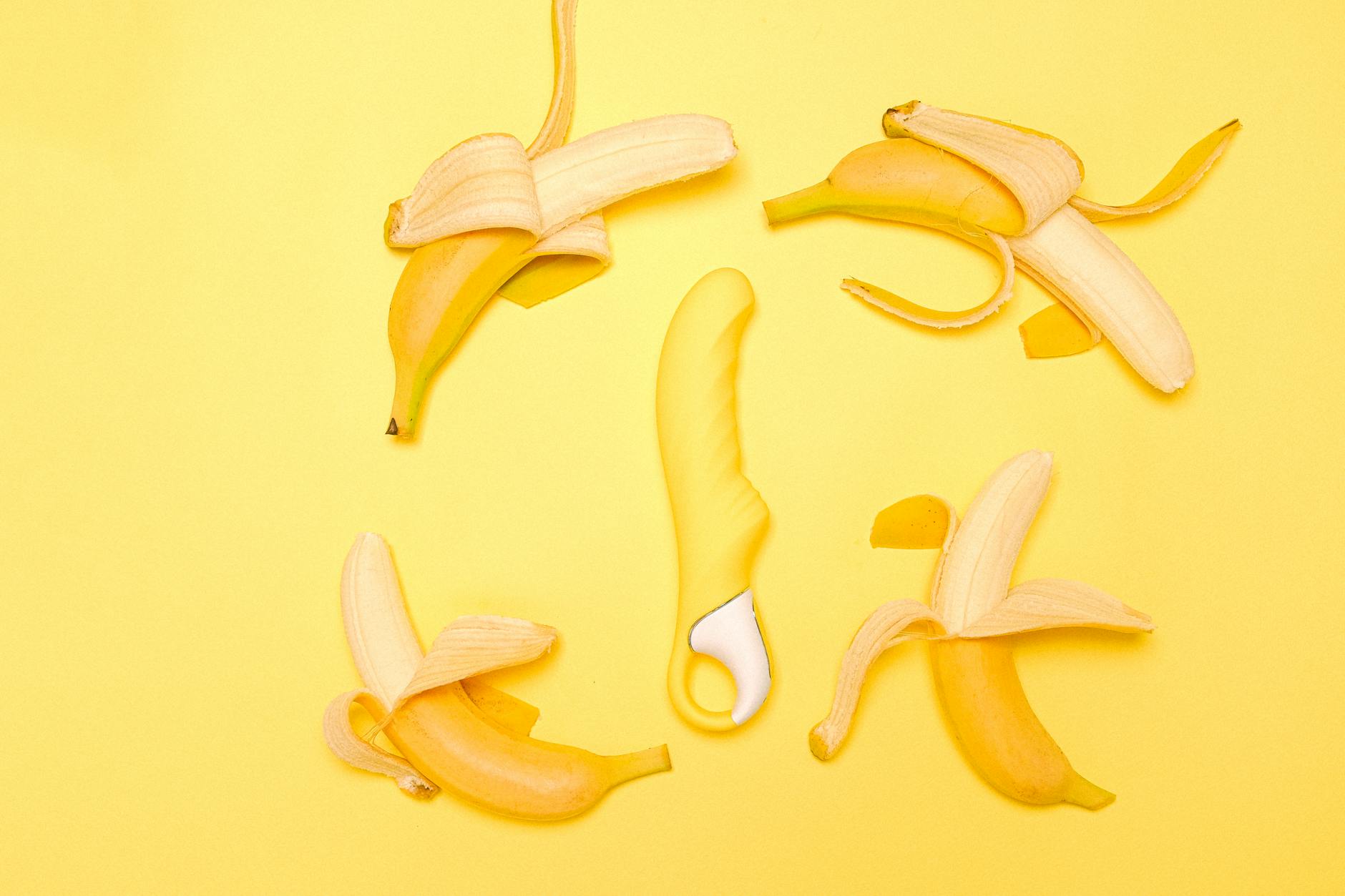
A lemon clitoral vibrator like the Lem can be part of that framework. Not because vibration magically heals trauma, but because the specific way suction-based lemon vibrators work matches exactly what a healing nervous system needs.
Why lemon vibrators are different for trauma recovery
Most vibrators use direct, rapid oscillation. That works great for someone whose nervous system feels safe in their pelvic floor. For someone rebuilding after trauma, it can feel overwhelming or triggering.
Lemon sucker vibrators work differently. They use gentle suction combined with subtle pulsing patterns. This approach has three key advantages for trauma recovery.
First, suction creates a softer stimulation envelope. You're not fighting direct vibration against sensitive tissue. Instead, you're working with gentle negative pressure that concentrates sensation without the percussion feeling. Many trauma survivors describe this as feeling more contained, more controllable.
Second, you control the intensity through pattern selection, not through power levels that might spike too high. The patterns on a lemon vibrator like the Lem are designed to be explorable. Pattern 1 is genuinely subtle. You're not starting at an intensity that feels aggressive.
Third, the overall shape matters. A clitoral vibrator that's small and curved fits into your hand easily, which means you're maintaining control. You can pause anytime, angle differently, or stop without fumbling. That sense of agency is non-negotiable in trauma recovery.
Building a safe exploration framework
Using any pleasure device after pelvic trauma requires consent from your own nervous system first. Here's the structure I recommend.
Phase one: External awareness without penetration. Spend a few sessions just holding your lemon vibrator. Feel the shape. Notice the weight. Turn it on at the lowest setting near your body without touching the sensitive area. Your job right now is desensitization to the tool itself, not to pleasure. This might sound tedious. It's actually crucial. Your nervous system needs to know this object isn't a threat.
Phase two: Slow, deliberate touch. Once the vibrator itself feels familiar, try very gentle contact on the outer labia or mons pubis. Start with the vibration off. Then add the lowest pattern. Stay there for 2-3 minutes maximum. You're teaching your nervous system that touch in this area can be safe and intentional.
Phase three: Pattern exploration. Now that contact feels manageable, experiment with different patterns while maintaining that same gentle contact. Notice which ones feel okay and which ones create tension. There's no goal here other than information gathering. Your body is learning what it wants.
Phase four: Building toward orgasm (when you're ready). This might take weeks or months. That's normal. When you feel ready, you can stay longer with a pattern that creates pleasant sensation. You're not chasing orgasm. You're exploring whether pleasure is accessible. Often the first orgasm after trauma is quiet or feels different. That's completely fine. You're rebuilding the pathway.
When to pause and what that means
If at any point you feel panic, pain that's sharp (not the tender sensation of healing), or a sense of being unsafe, stop immediately. Not because something is wrong with you, but because your nervous system is signaling a boundary.
Pause for a day or longer if needed. Your body needs to reestablish the sense that you're in control and safe. Then start over at phase one or phase two, not where you left off. There's no failure in going slower. There's only information.
If you're experiencing pain consistently during or after touch, talk to a pelvic floor physical therapist or trauma-informed gynecologist. Sometimes trauma creates muscular tension or scar tissue that needs specific therapeutic work before pleasure exploration makes sense.
The role of lubrication and external support
Water-based lubricant is standard when using lemon clitoral vibrators, but after pelvic trauma it becomes especially important. Not for mechanical reasons, but psychological ones. Lube reduces friction entirely, which means you're not fighting your body's protective response. It also signals to your nervous system that you're taking care, that this is intentional and gentle.
Apply the lubricant yourself first. Watch yourself do it. The act of preparation is part of rebuilding agency.
Consider having support available. That might mean a trauma-informed therapist you check in with weekly. It might mean a partner who knows your history and respects your pace without pushing for progression. It might mean a trusted friend who just knows what you're doing and supports it. The specific form doesn't matter. What matters is that you're not healing in isolation.
When pleasure starts returning, what that looks like
The first thing that usually returns is curiosity. You notice your body has a response to something. That response might be physical. It might be emotional. It might be just a slight shift in your baseline anxiety.
Then sensation starts becoming less binary. Instead of "pleasure or nothing or fear," you start noticing gradation. Mild sensation. Pleasant sensation. Intense sensation. Your nervous system is recalibrating what safe feels like.
Orgasm often comes later. Some people find it returns quickly. Some take months or years. Some find it comes with one pattern but not another. All of that is normal. Your nervous system isn't broken. It's healing at its own pace.
What matters is that you're reclaiming agency over your own body. That you're learning it's possible to feel good there again. That sensation and safety can coexist.
When to bring a partner in (if you want to)
If you're in a partnership, the conversation about when and how to involve them is separate from your solo exploration. You might need weeks or months of solo work before you feel ready to have another person's touch in that area.
When you do decide to include your partner, be specific about what you've learned. Show them the lemon vibrator if you're comfortable. Tell them which patterns feel good. Most importantly, tell them what doesn't. A partner who respects pelvic trauma recovery understands that your pace, your boundaries, and your agency come first.
Some partnerships heal together. Some people find that solo exploration is the right path for them. Both are legitimate. The pressure to "get back to normal" with a partner often gets in the way of actual healing.
The question underneath the question
When people ask how to use a lemon clitoral vibrator after trauma, what they're really asking is: will I ever feel good again? Will pleasure be possible?
The answer is yes. Not because of the vibrator. Because of your nervous system's capacity to learn, to reset, to find safety again. The vibrator is just the tool that helps you practice.
FAQ
How long does it usually take to feel pleasure again after pelvic trauma?
There's no standard timeline. Some people feel significant shifts in 2-3 months. Others take a year or longer. The timeline depends on the nature of the trauma, your baseline nervous system regulation, whether you're in therapy, and whether you have support. The key is not rushing the process. Your body will let you know when it's ready.
Is it normal to feel nothing even with a lemon clitoral vibrator?
Completely normal. Numbness is often a protective response from the nervous system. It means you're safe from pain, but you're also protected from sensation. That numbness can last. It also can shift gradually as your nervous system learns that the area is safe again. If numbness persists beyond a few months, talk to a pelvic floor specialist or trauma-informed therapist.
Should I tell my partner I'm using a lemon vibrator to recover from trauma?
That depends on your relationship and your comfort level. If you're in a partnership where you're working toward rebuilding intimacy together, transparency usually helps. If you're using solo exploration as a private part of your healing, that's equally valid. You don't owe anyone access to your healing process, but hiding it from a partner also tends to recreate isolation. What matters is your agency in deciding what to share and when.
What if using a vibrator brings up trauma response instead of pleasure?
Stop immediately and pause for a few days or longer. Your nervous system is communicating that the tool, the timing, or the approach isn't right yet. This isn't failure. It's information. Consider working with a trauma therapist or somatic practitioner who can help you understand what got triggered and how to approach it differently next time. Some people need therapeutic support before any pleasure exploration. That's okay.
Can I use a lemon sucker vibrator if I also have pelvic pain or endometriosis?
Yes, with caution. Pelvic pain conditions sometimes overlap with trauma history. A lemon clitoral vibrator focused on external stimulation is often gentler than penetrative devices. But if your pelvic pain gets worse with any stimulation, talk to a pelvic floor physical therapist or your gynecologist. Some people benefit from a combination of pelvic therapy and later, gentle exploration with devices. Others find that only the therapy helps. Work with a provider who understands both the trauma and the pain.
Is there something wrong with me if I don't want to feel pleasure again?
No. Some people's healing path is about reclaiming safety and agency without necessarily returning to sexual pleasure. That's legitimate. This framework is for people who want to explore pleasure again. If you don't, that's not a failure. That's a different healing path and it's completely valid.
You're rebuilding more than sensation
When you work with a lemon vibrator after pelvic trauma, you're not just retraining nerve pathways. You're rebuilding trust in your body. You're learning that pleasure and safety can coexist. You're reclaiming something that was taken from you.
That work is slow. It's non-linear. Some days you'll feel progress and some days you'll feel setback. All of that is part of the process.
If you want support thinking through the broader healing work, reach out to Hello Nancy. You deserve pleasure. And you deserve to get there on your own timeline.