Here's what nobody tells you about arousal and relationships
Arousal doesn't just disappear when your relationship changes. It gets tangled up in logistics, anxiety, resentment, hope, and grief all at once. You might love your partner—still, deeply. But your body might be sitting in the corner refusing to cooperate. That's not a sign you're broken or that the relationship is over. It's a signal that something in the relational landscape shifted and your nervous system is waiting for permission to settle back down.
I work with couples all the time who hit this wall. One person moves in. A kid is born. A job changes. Someone comes out. The relationship deepens in one way and stalls in another. And suddenly, the easiest, most automatic part of being together requires a manual restart.
The good news: your arousal hasn't gone anywhere. It's just offline for maintenance.
Why relationship transitions pause arousal
Here's the neurobiology first, then the relational piece.
When your relationship landscape changes—especially when there's uncertainty attached—your brain's threat-detection system wakes up. You're processing new variables: a shared bathroom, a new power dynamic, a different schedule, changed intimacy expectations. Your amygdala is running overtime. And the amygdala and your arousal system can't both be at full volume. One has to dim.
Add to that the cognitive load of the transition itself. You're thinking about logistics. You're managing expectations (yours and theirs). You're worried about how the change lands. That mental overhead eats into the kind of headspace arousal needs—which is, frankly, a bit spacious and undefended.
But here's what's really happening underneath: your arousal system is waiting for a signal that you're safe in this new configuration. Not just physically safe. Relationally safe. That you can still want things. That your pleasure still matters. That this new shape of the relationship has room for you as you are, not just as a partner.
The role of solo pleasure during couple transitions
This is where many people get stuck. They think solo pleasure is either irrelevant or, worse, a sign that something's broken in the partnership. Neither is true.
When a relationship reshapes, solo pleasure becomes a form of grounding. It's proof to your own nervous system that your arousal capacity is still there. It's you saying, "I'm still here. My body still knows how to want things. The relationship changing doesn't mean I disappear."
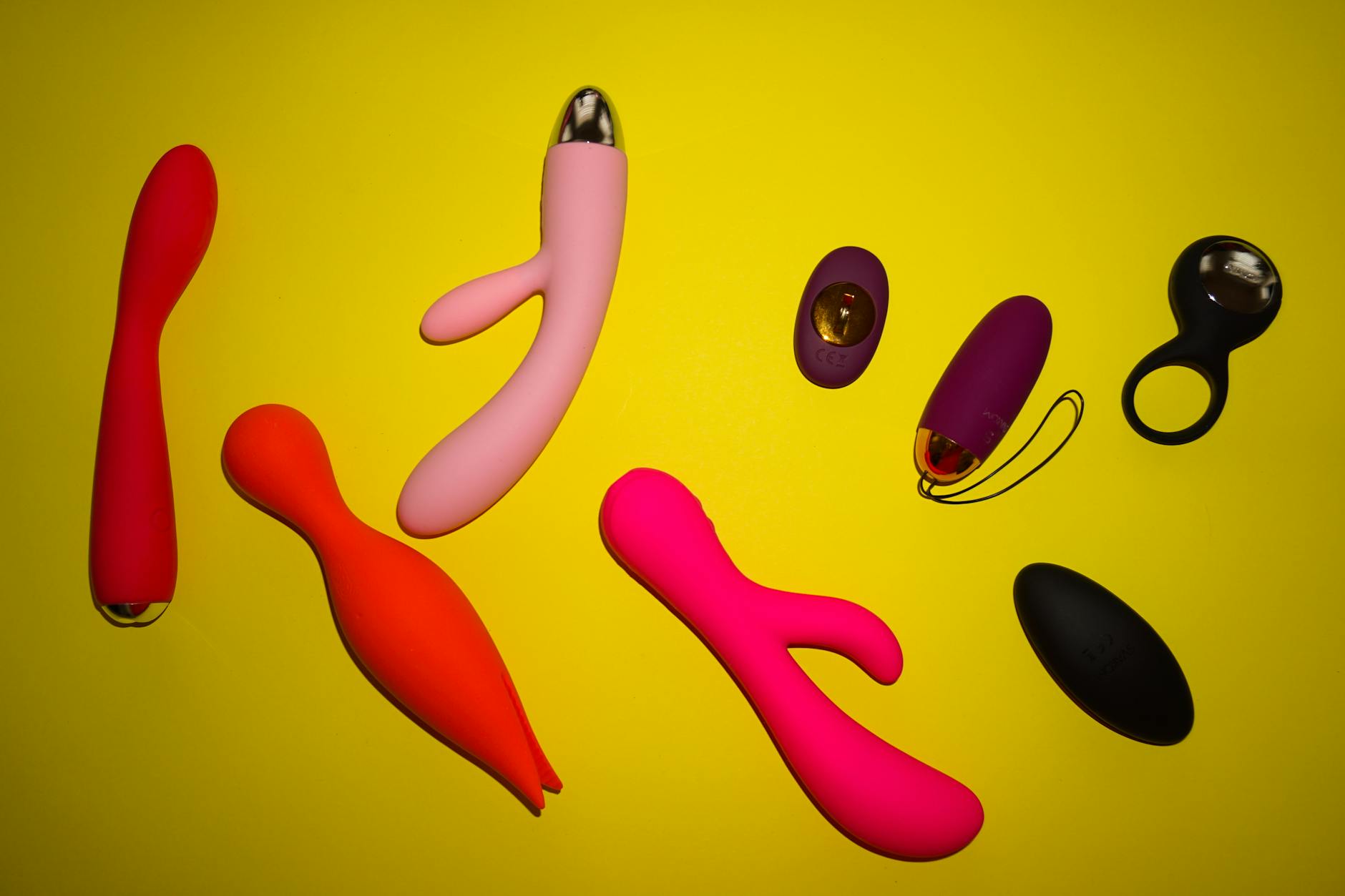
Using lemon vibrators or other adult toys solo during a transition does something specific: it separates your arousal from the pressure of the relationship. You're not trying to coordinate with someone else's timeline or needs. You're not managing their expectations or yours about what should happen or why. You're just you, learning what your pleasure looks like in this new chapter.
A lot of people find that reconnecting to their own arousal, alone, is what actually makes couple intimacy possible again. You remember that you like pleasure. Your body remembers how to relax into it. And then, when you come back to your partner, you're not performing or forcing it. You're bringing something that actually belongs to you.
Using a lemon clitoral vibrator when arousal feels absent
Okay, so you've decided to reconnect solo. How do you actually use a tool like the Lem when your body feels completely offline?
Start with no pressure. Not "I'm going to have an orgasm." Not "I'm going to feel something." Just "I'm going to spend 20 minutes touching myself." That's it. Lower the bar so far down it's almost invisible.
Mood matters more than most people admit. A transition in your relationship might mean your brain is still partially scanning for threat. A bathroom with a lock. Headphones. Enough time that you're not rushing. These aren't luxuries. They're the conditions under which your nervous system can actually shift into arousal territory.
Use it as a meditation, not a performance. Press the Lem against your body on a low setting and just feel. You're not looking for a specific outcome. You're checking in with sensation. Some days that might be a full orgasm. Some days it's just "oh, I can feel that." Both are wins.
If numbness persists, it's not forever. Your body might take a few sessions to remember what arousal feels like. That's normal after a relational shake-up. Keep showing up, same way you'd show up to a gym routine. Your nervous system learns through repetition that this is safe space.
The conversation with your partner (when you're ready)
Here's where couples often get tangled: one person reconnects to solo pleasure and doesn't tell the other, which creates distance. Or they tell the other and it gets interpreted as "I don't want you" instead of "I'm rebuilding connection to myself."
If you share a life with someone, eventually this conversation happens. Not during sex. Not in bed. Fully clothed, maybe over coffee.
"The transition we just went through disrupted my arousal. I'm using some time alone to reconnect to my body. This isn't about us. It's about me remembering that I can still want things. When I'm back in sync with myself, we can find our way back together too."
A partner who loves you will understand this. They might even feel relief. Because they probably noticed you weren't present either, and now there's a path forward instead of just distance.
If your partner responds poorly to that—makes it about them, shames you, or escalates the transition tension—that's information you need. And that might be worth exploring with someone professionally before the gap widens.
Rebuilding couple arousal after you've reconnected solo
Once you've spent a few weeks or months rekindling your solo arousal, couple intimacy usually follows. But it doesn't always happen automatically.
Start small. A lot of couples try to jump back to what worked before the transition. That rarely works because the relationship has changed. So has the context.
Instead, talk about what you both want the intimacy to look like now. Maybe that's slower. Maybe it's more playful. Maybe it's less pressure and more exploration. A lemon vibrator isn't just a solo tool. It can be something you both use together—not as a replacement for partnered sex, but as part of it. Couples often find that reintroducing toys after a transition removes the pressure to perform and makes the whole thing feel fresher.
When arousal is still offline after three months
If you've been using lemon vibrators solo consistently and you're still feeling completely numb, or if couple intimacy is rebuilding but something feels off, this might be worth naming professionally.
Sometimes a relationship transition unmasks something bigger: depression, burnout, unprocessed resentment about how the transition happened, or a mismatch in what you actually want from the relationship now. Arousal can be a really accurate barometer for relational health. If it's not coming back, your body might be telling you something your mind hasn't caught up to yet.
A couples therapist or sex therapist can help you figure out whether this is a normal recalibration or a sign of something deeper. There's no shame in that. Transitions are hard. Sometimes you need support navigating them.
The bigger picture
Relationships don't stay in one shape. They shift, fold, reshape, and settle into new configurations constantly. And each time they do, your arousal system has to recalibrate.
Using tools like lemon clitoral vibrators during these transitions isn't sidestepping couple intimacy. It's actually the pathway back to it. You're reminding your body that pleasure is still available. That you're still here. That desire doesn't disappear just because the relationship changed.
When you're reconnected to your own arousal, couples intimacy becomes less about forcing something and more about sharing something that's already alive in you.
People Also Ask
Is it normal for arousal to disappear after moving in with a partner?
Completely. Moving in together reorganizes your nervous system. You're sharing space, schedules, bathrooms, and silence in a totally new way. Your brain is processing that. Arousal often pauses while your body figures out if it's safe to relax in this new configuration. Most couples report it coming back within a few weeks to a few months, especially if they're intentional about reconnecting.
Can I use a lemon vibrator while in a relationship without my partner feeling threatened?
Yes, but communication helps. A lot of partners actually feel relieved when you're handling your own arousal during a transition because it takes pressure off them. Frame it as something you're doing to reconnect to yourself, not instead of partnered intimacy. Many couples find that when one person's arousal comes back online, couple sex becomes better because there's less performance pressure.
How long does it usually take to reconnect to arousal after a major relationship shift?
There's wide variation, but most people report it taking anywhere from two weeks to three months. Some variables: how much uncertainty is still hanging around the transition (if things feel stable, arousal returns faster), how much communication is happening with your partner, and whether you're actively reconnecting solo. Consistency matters more than intensity.
What if my partner wants sex but I'm still numb from the transition?
Tell them. "My arousal is still recalibrating after this transition. I need a bit more time. But I'm working on reconnecting to myself, and I want us to eventually get back to physical intimacy." That's honest and it gives them something concrete instead of just distance. If they push before you're ready, that's worth exploring separately, possibly with a therapist.
Can using lemon sexual toys actually help rebuild arousal or is it just distraction?
It's not distraction. Using clitoral vibrators during a transition serves a real nervous system function. You're sending your body the signal that arousal is still possible, that you're safe enough to relax, and that pleasure matters. That's neurological work. Your body learns through repetition, and that learning feeds back into couple intimacy.
Is it a sign the relationship is in trouble if arousal disappears after a major change?
Not necessarily. Arousal pausing during a transition is so common it's basically universal. It becomes concerning if it never comes back despite both people wanting it to, or if it's paired with other signs of distance or resentment. If you're worried, checking in with a couples therapist can help you figure out what's underneath the arousal pause.
What comes next
Relationship transitions are normal. Arousal pausing during them is normal. And reconnecting to your pleasure—solo, with tools like lemon vibrators or Hello Nancy's clitoral vibrators, at your own pace—is one of the clearest paths I've seen to rebuilding intimacy on the other side.
Your arousal matters. Your pleasure deserves attention, especially when your relationship is reshaping. Take the time to reconnect to yourself. Your partner, and your relationship, will feel the difference.