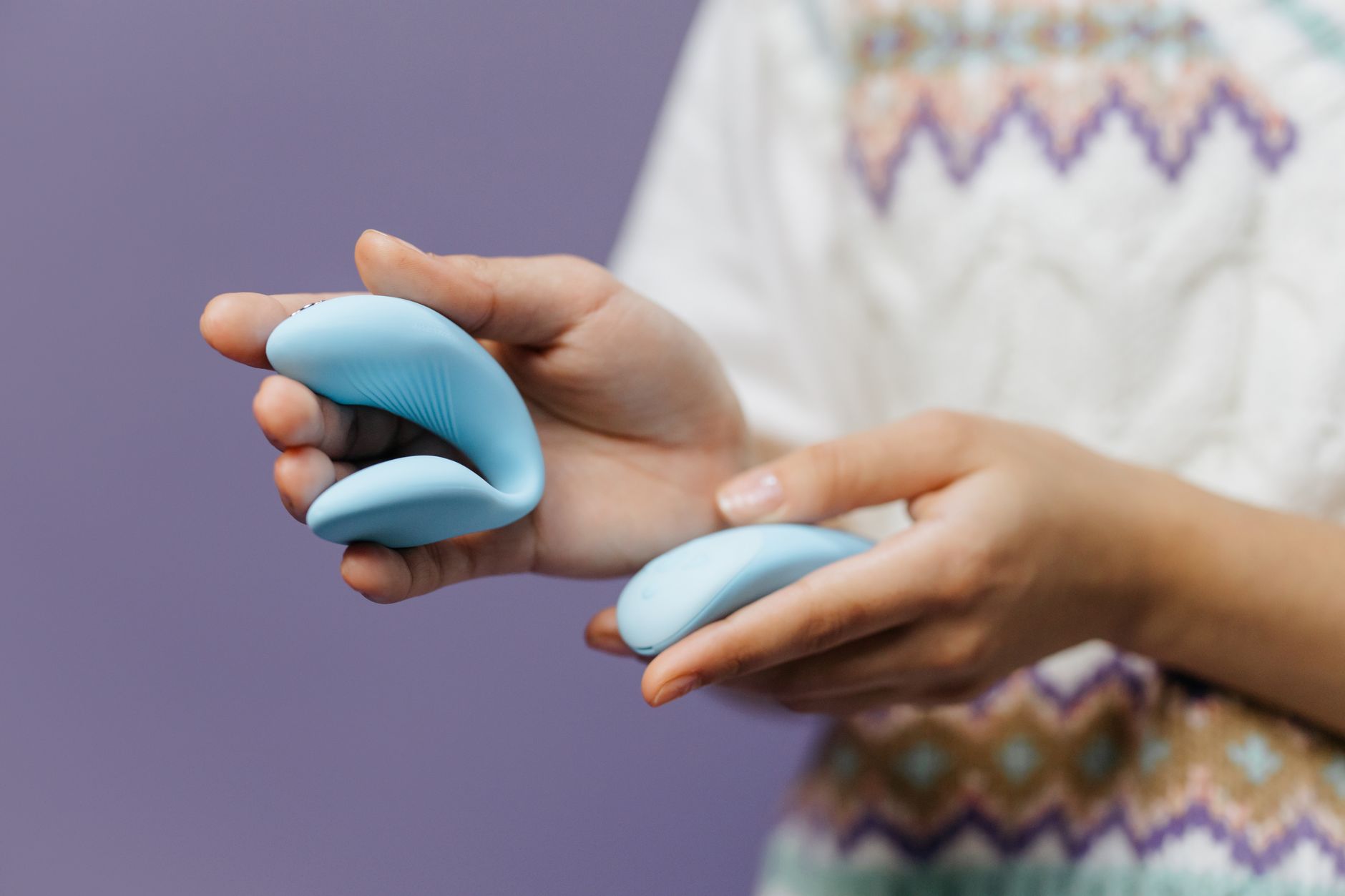
When desire suddenly remembers how
Years of stress, kids, work, grief, or just the slow erosion of touch can flatten desire almost completely. Then one day, something shifts. You notice your partner again. Your body wakes up. Suddenly you want sex again, which is wonderful and also deeply awkward because your partner may not be on the same schedule. Or you're both ready but you've forgotten how to move together.
This is the exact moment when a lot of couples either push through with frustration or shut down again. Neither is necessary. Your desire returning is not a problem. But the disconnection between your bodies is real, and pretending it isn't just extends the silence.
Why the timing mismatch happens
Let's be honest. After a long period of no sex, your nervous systems have adapted. Your partner's expectations have lowered. You've both built stories about why this is the way it is now. When one person's desire suddenly rekindles, the other partner is often still defending against disappointment.
Here's what that looks like: You want to reconnect. Your partner either hasn't had the same neurochemical shift yet, or they're afraid to be vulnerable after so long. So they hesitate, or they perform, or they check out entirely. None of that is personal. It's just what happens when two people are moving at different speeds after a long pause.
The other piece: After years without touch, your clitoris may be more sensitive than you remember, or less responsive. Your partner's timing is likely off. Neither of you remembers exactly how your bodies work together. This is where clitoral vibrators like Nancy Lemon's offerings become not just helpful, but genuinely liberating. They take the pressure off the performance and put it back on sensation.
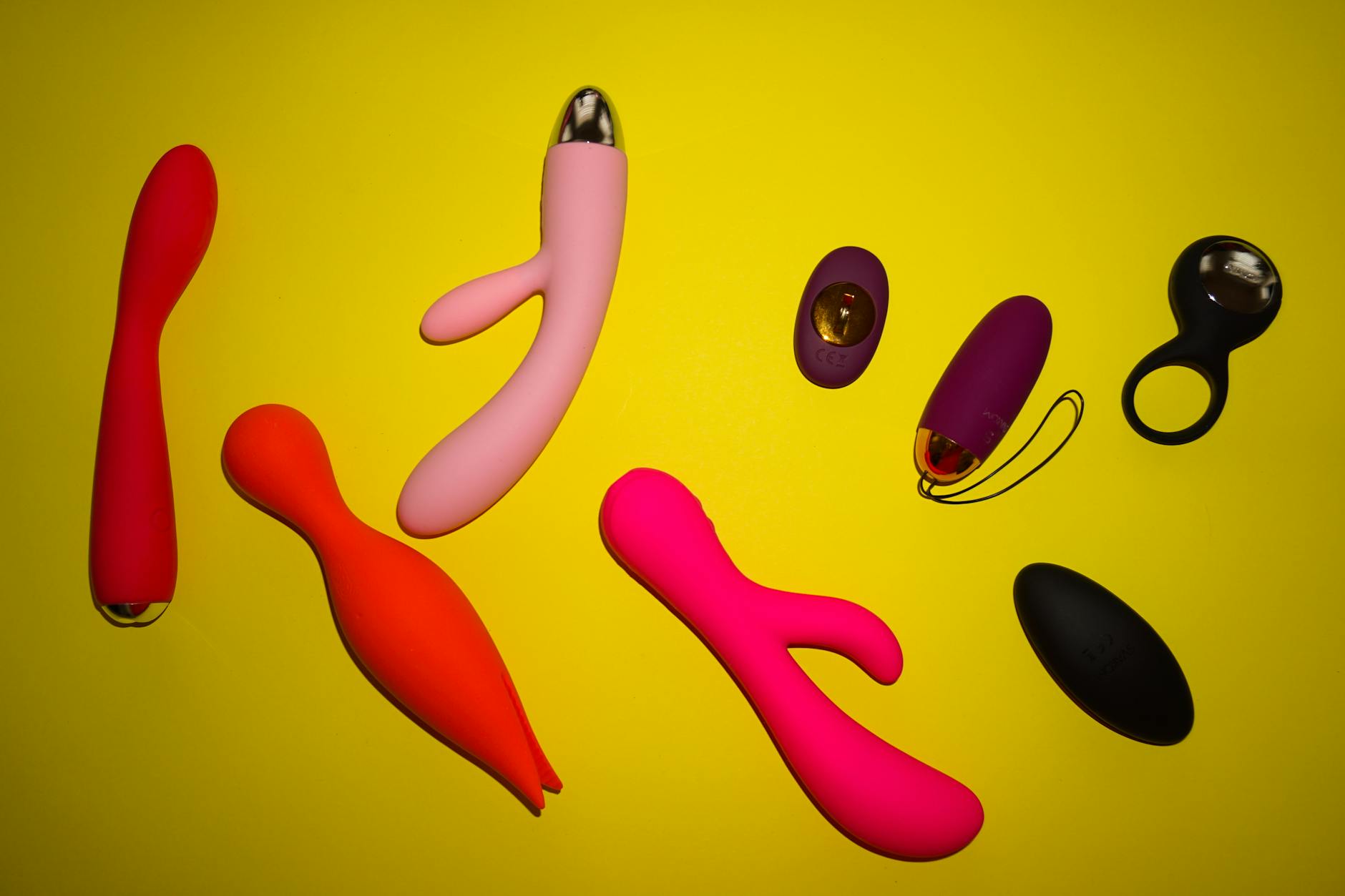 Photo by DRT.fm on Pexels
The reintroduction conversation you actually need
Before touching anything, you need a conversation that isn't about sex. It's about what happened and what you both want now.
Say something like: "My body is waking up again, and I want to reconnect with you. I know we've been disconnected for a long time. I'm not expecting us to pick up where we left off. But I'd like to explore what we want together now, without pressure."
Then listen. Your partner may say they're grieving the lost time. They may say they're terrified of being rejected again. They may say they don't know how to be vulnerable anymore. All of this needs air before you bring a toy into the room.
The toy isn't the solution. It's the permission slip. It says: "We're not trying to be perfect at this. We're trying to feel good."
How to introduce a lemon clitoral vibrator without it feeling clinical
Don't make it a big moment. Seriously. The worst introduction of a toy into a reconnecting relationship is the one where it feels like you're announcing a major life decision.
Say something like: "I picked up one of these because I want to take some pressure off us. I'm curious what feels good now, and I don't want to make it about you doing it right. Want to explore together?"
Then here's the practical part:
Start with solo time first. Use the lemon vibrator on your own, alone, for at least a few sessions. Relearn what intensity feels good. Notice where sensation is strong and where it's duller. This isn't selfish. This is you gathering information that you'll share with your partner. When you know your own body again, you can actually guide them instead of leaving it all to guesswork.
When you do bring your partner in, the first time isn't about orgasm. It's about touching each other while you're touching yourself. They hold the vibrator. You guide their hand. You're connected, you're moving together, but there's no pressure to "make it work."
The intensity question when you're reconnecting
After years of no clitoral stimulation, your sensitivity is unpredictable. You might need lower intensity than you remember. You might need higher. The only way to find out is to play.
Start at pattern 1 or 2 on the lemon vibrator. This feels almost gentle, which might feel weird if you remember needing something stronger. But your nervous system has changed. What feels weak at first might become your sweet spot within 30 seconds.
Why this matters for reconnecting couples: If you rush to high intensity, you'll both assume you need to stay there. Then the next time, you're both bracing for that intensity, and the whole thing becomes effortful again. Starting low gives you both room to be surprised.
What changes when you're doing this together
Using a lemon clitoral vibrator with your partner is different than using it alone, and you both need to know that.
When your partner is holding it, they're getting to watch what makes you feel good. They're literally watching your face and your breath and your hips respond. This is deeply intimate in a different way than regular sex. There's no pretending. Your pleasure is not hidden.
Some couples find this is the first time they've actually looked at each other during sex in years. Others find it's strange at first, and that's okay. You can close your eyes. You can face away. You can guide them while looking at the ceiling. There's no one right way.
What matters: Your partner is part of your pleasure again. They're not being replaced by the toy. They're being invited into a version of intimacy that doesn't require them to be perfect.
 Photo by cottonbro studio on Pexels
The conversation you need after
Here's what most couples skip, and it's the most important part.
Afterward, talk about what you felt. Not what you performed. What you actually felt. Say things like: "I liked how that felt on the lower setting. I notice I need more time to warm up than I used to. I felt really connected to you when you held it." Or: "I felt self-conscious at first, but by the end I forgot to be worried."
This isn't therapy talk. It's just information sharing. You're building a new map of each other's pleasure. Every time you do this, you learn something. After three or four times, you'll both start anticipating what the other person wants. That's when desire and connection start moving at the same speed again.
The shame that shows up and what to do about it
A lot of people feel ashamed when they need a toy to reconnect, especially after a long gap. The story goes: "If we were really connected, we wouldn't need this."
That's not true, and it's worth directly challenging it. You use lube because vaginal tissue changes. You use a vibrator because clitoral nerves respond to specific stimulation patterns. You use a tool because you're human and you deserve pleasure. None of that means your connection is broken.
If your partner expresses this shame, you might say: "I want us to feel good together. Using this helps that happen. That's not weakness. That's practicality. I love you, and I want this for us."
When one partner is moving faster than the other
Sometimes you're ready and your partner isn't. Sometimes it's the opposite. Sometimes you're both ready but one person's nervous system hasn't caught up.
In this case, a lemon clitoral vibrator can actually be a bridge. You can use it on your own while your partner is present but not participating. Just being in the room together, knowing what the other person is experiencing, can rebuild safety. There's no expectation of reciprocation. There's just presence.
Or your partner can hold it for you, not as foreplay, but as a way to be close while you experience pleasure. This is not "settlement." This is connection building.
The long view
Your desire coming back after years of silence is not a sprint back to where you were. It's the beginning of a completely different chapter. You're not the same people who stopped touching. Your bodies are different. Your relationship is different. Your pleasure is different.
Using a tool like a lemon clitoral vibrator isn't about forcing the old rhythm back. It's about discovering a new one, together, without shame or pressure. Some couples find that reconnecting this way is actually deeper than what came before, because there's more intention in it. Less assumption. More curiosity.
The best part: When you rebuild desire slowly, with honesty and tools that make it easier, it actually sticks.
People also ask
How do I know if my partner will be upset about using a vibrator?
You won't know until you ask. But framing matters. Instead of "I want to use a vibrator," try "I want us to explore pleasure together without pressure. This could help." Most partners who initially resist come around when they understand it's not about replacing them. It's about connection that feels safer. If your partner stays resistant after a genuine conversation, that's worth exploring with a couples therapist, because the resistance is usually about something deeper than the toy.
Can we use a lemon clitoral vibrator if we haven't had sex in years?
Absolutely. In fact, it's often easier to start with a vibrator than with penetration after a long gap. There's less pressure, less performance expectation, and more room for both of you to feel safe. You're not "supposed" to orgasm. You're just exploring sensation together. This creates way less anxiety than traditional sex.
What if I want pleasure but my partner doesn't want sex yet?
Use the vibrator on your own. Let your partner be present but not required to participate. As long as it's not secretive or shame-based, most partners can handle being in the room while you explore. This also models that pleasure is normal and good, which can help shift your partner's mindset over time.
Should we use the vibrator every time, or work toward not needing it?
Stop thinking of it as a crutch you graduate from. If a lemon clitoral vibrator makes sex better and easier for you, keep using it. Many couples who reconnect this way end up using toys regularly because they realize that's just how their bodies work best. That's not failure. That's information.
How do I bring this up if my partner blames the disconnection on me?
You don't lead with the vibrator. You lead with: "I know we've been disconnected. That's both of us, and I want to find a way forward together." Once you've addressed the deeper issue, the tool becomes less threatening. If your partner is still blaming you, that's a relationship issue that goes beyond toys, and couples therapy would help.
What if reconnecting feels impossible?
It might take longer than you want. That's real. But "impossible" is rarely true. What's usually true is "I don't know where to start." Start with a conversation. Then start with touch that's not about sex. Then start with a tool that takes pressure off. Then notice what shifts. Change is slow, but it does happen.