Here's the thing about hormonal birth control and your libido
You quit the pill. Or the patch. Or the ring. And suddenly, without warning, your sex drive is back like a boomerang you didn't throw. Maybe you're thinking about sex again. Maybe you're actually initiating. Maybe orgasms feel sharper, more possible, more worth the effort.
For a lot of people, this is the first time in years that sex feels genuinely theirs again. And honestly, it can be disorienting. Because your body doesn't come with an instruction manual that says "Congratulations, your testosterone just went up 50%."
Why your libido surges when you stop hormonal birth control
Hormonal contraceptives (the pill, the patch, the ring) work partly by lowering your circulating testosterone. Testosterone is a major driver of sexual desire in everyone with ovaries. Most hormonal contraceptives also reduce the proteins that free up testosterone in your bloodstream, which compounds the effect.
Within weeks of stopping hormonal birth control, testosterone rebounds. Sometimes dramatically. Studies show libido increases for about 65% of people who discontinue hormonal contraception. And it's not subtle. Some of my clients describe it as waking up after years of emotional anesthesia.
Here's what also happens: estrogen stabilizes at its natural cycle, which means lubrication is better, arousal feels faster, and orgasms often feel more accessible. Your clitoris is receiving a flood of signal it hasn't felt in a long time.
The nervous system catches up slower, though. And that's where things get complicated.
The mismatch: your body wakes up before your mind feels ready
You've been on hormonal birth control for three years. Five years. Ten. Your relationship has calibrated around a lower libido. Maybe your partner learned to initiate less often. Maybe you and your partner stopped expecting much from sex. Maybe you're with someone new, and they don't know yet that this surge is temporary biological reality, not a sudden personality shift.
Or maybe you're single and you're not sure what to do with this energy.
The rush of desire can feel unsafe if it arrives without context. Your nervous system might interpret it as pressure. "Why am I suddenly needy?" Or guilt. "Is this fair to my partner if they're not ready?" Or fear. "What if I can't go back to feeling normal?"
You can. And you will, if needed. But you don't have to. This is actually the baseline. The suppression was the anomaly.
Start with solo exploration, even if you have a partner
This is the single most important step. Before you layer in partner expectations or performance pressure, spend time learning what your body actually feels like right now. You might not recognize it. Arousal might come faster than before. Orgasms might feel different. Your sensitivity to touch, to sound, to your own breathing might be heightened.
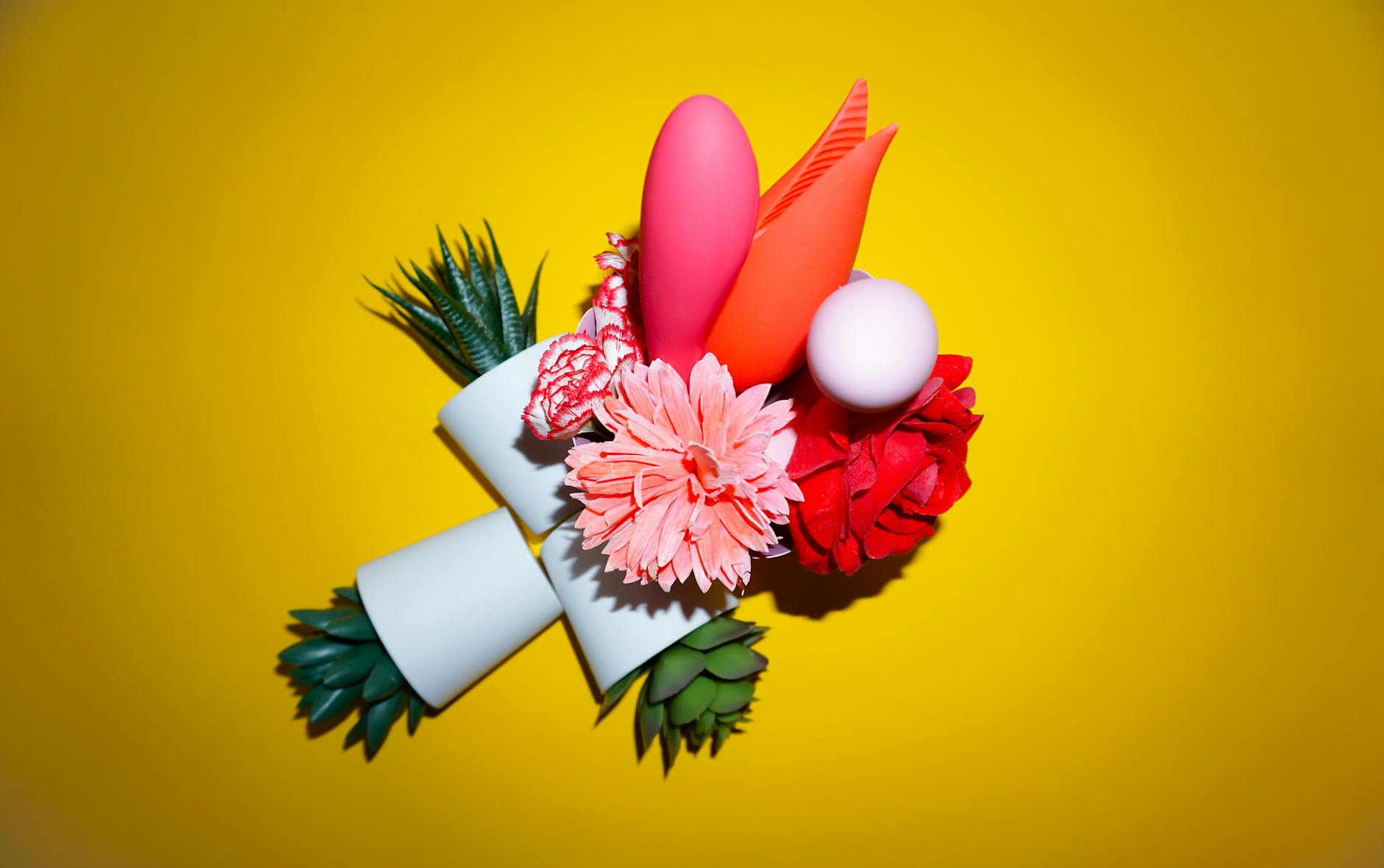
Using a lemon clitoral vibrator solo accomplishes several things at once. It gives you privacy to explore without an audience or expectation. It teaches you what intensity level and rhythm feel good at this new baseline. And it builds confidence before you bring desire back into partnered sex.
Start on the lowest setting. If you're using a device like the Lem, begin on pattern one or two. Notice what you feel. You might be shocked at how quickly arousal builds. That's normal. Your body is remembering what it's supposed to feel like.
The patterns worth knowing when libido surges back
Four practical shifts I recommend for people navigating this increase.
Give your nervous system time to catch up. Your hormones shifted overnight. Your emotional center takes longer. If you've spent years with lower desire, suddenly feeling it might trigger old guilt or shame. Solo time with a lemon vibrator helps your brain integrate the change without pressure.
Separate desire from relationship readiness. Increased libido does not mean you're ready to overhaul your relationship or push for changes you're uncomfortable with. Want more sex? That's biology. The how and with whom are still your choice. Keep them separate in your head.
Manage timing and communication with partners. If you're with someone, telling them "My hormones changed and I'm feeling different" is not the same as "I need you to change." A conversation that frames this as temporary biochemistry, not criticism of them, helps everyone. Many partners are relieved. Some worry it means you'll get bored. Address that directly. "I want to explore this, and I want to do it with you when you're ready."
Expect clitoral sensation to feel unfamiliar. You've had years of muted response. Now the clitoris is waking up. Direct vibration might feel intense, almost too much. Suction-based stimulation, like what the Lem provides, gives you control and can feel more comfortable because it distributes pressure across the tissue rather than concentrating it. That matters when you're re-learning sensitivity.
What happens if your partner isn't ready for this shift
This is where things get real. You've changed. Your body has changed. And your partner might not have changed with you.
If your partner was comfortable with lower-libido sex, this increase can feel threatening to them. They might interpret it as rejection of the relationship dynamic you've both built. Or they might worry you've become someone they don't recognize. Or, honestly, they might just have different baseline desire and this doesn't align.
None of that means you should suppress this. But it does mean you might need to have the harder conversation. Not "I want more sex," but "I'm noticing my body has changed since I stopped birth control, and I want to explore that together. What does that look like for us?"
Sometimes the answer is a conversation with a couples therapist. Sometimes it's solo exploration while your partner adjusts. Sometimes it's renegotiating what intimacy means for both of you. All of those are valid paths.
If you're feeling pressured by a partner to suppress this desire or perform differently, that's worth examining with professional support. You deserve to have space to explore your own body.
The physical reality: orgasms might feel different now
After months or years of muted sensation, orgasms can arrive faster, feel sharper, or actually feel shorter because your body is learning the new wiring. Some people describe post-birth-control orgasms as more clitoral, less diffuse. Some feel them more intensely. Some have multiples for the first time.
There's no "correct" experience. But if orgasms feel less intense than you expected given the surge in desire, that's also normal. Your body is recalibrating. The first few months are not the permanent baseline.
Using a lemon vibrator lets you test different patterns and intensities to find what actually works for this new nervous system. You're not looking for the "right" way. You're learning your own way, which is different now.
When to tell your partner about using toys
If you're exploring with a lemon vibrator and you have a partner, the timeline for disclosure matters.
You don't owe immediate transparency about solo pleasure. That's your body, your time. But if you want to bring toys into partnered sex, yes, a conversation helps. Frame it as "I've been exploring what feels good now that my body has changed, and I'd like to try this together" rather than "I've been doing this without you."
Many partners find it genuinely hot. Some feel initially defensive and then relax once they understand the timing. Some want to use it together right away. Some need time. Give them that.
If a partner forbids toys or shames you for exploring solo, that's a yellow flag worth paying attention to.
What about fertility tracking if that matters to you
If you stopped birth control partly to conceive, increased libido is actually helpful. Your testosterone surge often aligns with higher fertility window arousal, which is how bodies evolved to work.
But increased desire doesn't mean increased fertility. They're separate systems. If you're trying to conceive, fertility tracking is separate work. If you're avoiding conception, remember that stopping hormonal birth control means you need a different contraception method immediately. Lemon vibrators don't prevent pregnancy, obviously, but condoms do. Plan that before the libido surge makes you less thoughtful.
The timeline: when does this settle
For most people, the libido surge peaks around six to twelve weeks after stopping hormonal birth control, then settles into a sustainable new baseline. You're not going to stay at peak arousal forever. Your body will find equilibrium.
This baseline is closer to what your "natural" libido is. Hormonal birth control was suppressing it. This is you, hormonally speaking. The person your partner fell for might have been you without birth control. Or you with it. Either is fine. But this is the real version, so get to know her.
FAQ: Libido, toys, and life after birth control
How soon after stopping birth control should I wait before using a vibrator? You don't need to wait. Your body works the same way; you just have more hormones. Start whenever feels right to you. Solo exploration is safe immediately.
Can using a lemon vibrator regularly affect my hormones further? No. Vibrators don't alter your endocrine system. They stimulate nerve endings. Use it as much as you want without worry about hormonal changes.
What if my libido increase doesn't go away? That's your baseline. This is what your body produces naturally without hormonal suppression. Some people find this uncomfortable if they're not used to it. A conversation with a therapist or a doctor can help you process that. But it's not dangerous or abnormal.
Is it normal for orgasms to feel different after quitting birth control? Completely. Different hormones, different sensation, different nervous system baseline. Give your body a few months to settle before deciding if you like the new version.
My partner thinks the libido increase means I want someone else. How do I help them understand? Straightforward conversation: "My hormones changed. This is biology, not about you or my attraction to you. I want to explore this together." If they continue to frame it as a threat, that's a relationship dynamic worth examining.
Can I use a lemon vibrator while trying to conceive? Yes. Vibrators don't affect fertility. If you're trying to get pregnant, use one whenever you want. If you're not, use condoms or another contraception method in addition to other birth control if you need it.
Should I be worried about becoming "dependent" on a vibrator if I use it during this high-libido phase? No. Using a toy helps you understand your body better. That doesn't create dependency; it creates knowledge. And knowledge makes partnered sex better, not worse.