The uncomfortable truth about lube and pleasure
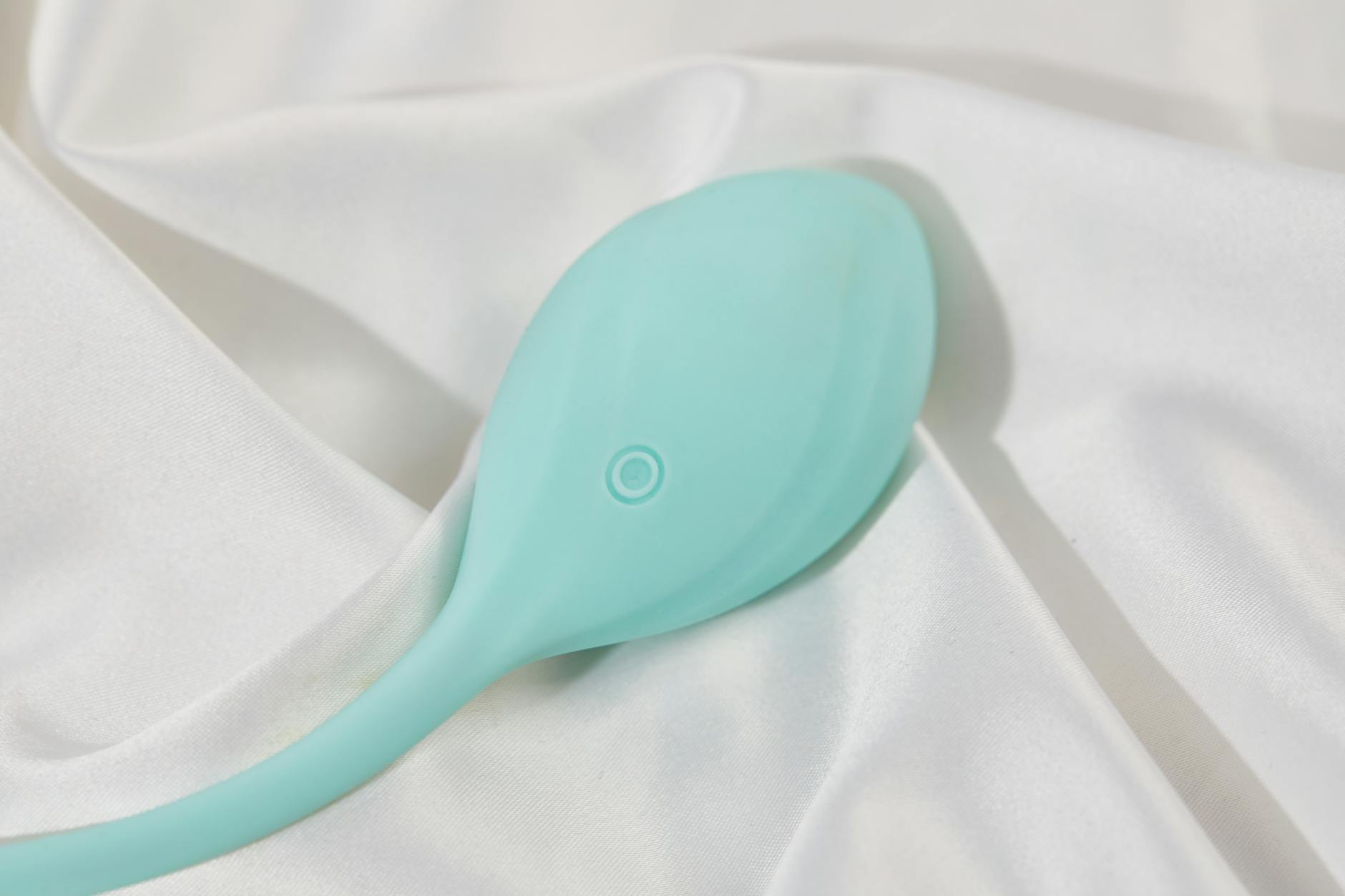
Let's be real. You bought a beautiful lemon clitoral vibrator. You're ready to explore. Then you reach for lubricant and within minutes, you're itching, burning, or dealing with that weird chemical sting that makes the whole experience feel wrong. You're not broken. You're not overreacting. Your body is telling you something genuinely important.
Lubrication should amplify pleasure, not become the friction itself. If standard lubes are causing irritation, you have options that don't require you to choose between comfort and sensation.
Why some lubes cause problems
Here's what happens inside commercial lubricants that can trigger discomfort. Most mainstream brands contain glycerin (a sweetener that feeds yeast infections in some bodies), parabens (preservatives that irritate sensitive tissue), or propylene glycol (a humectant that can feel tacky and cause burning in people prone to reactions). Silicone lubes coat beautifully but can trap heat and bacteria against your skin. Even "natural" lubes sometimes contain essential oils, botanical extracts, or alcohol that sound harmless until they touch sensitive mucous membranes.
The other piece. Your body's moisture production changes throughout your cycle, with stress, with age, and with medications. What worked last month might irritate today. And that's completely normal.
When you might not need lubricant at all
Here's the thing nobody mentions. Lemon sucker vibrators and air-suction devices work fundamentally differently than friction-based toys. Because they use gentle suction rather than direct abrasion, many people produce enough natural lubrication just from arousal and stimulation.
Start without lube. Spend 10-15 minutes building arousal through other stimulation. Manual touch, partnered intimacy, fantasy, temperature play, or even just time. Once you're genuinely aroused (not just willing), your body may already be producing adequate moisture. Test the lemon clitoral vibrator at low intensity first. If gliding feels smooth and sensation builds without irritation, you may not need anything else.
This isn't about toughness or performance. It's about figuring out what your specific body actually requires right now, in this moment, under these conditions.
The safest alternatives when you do need slip
If natural lubrication isn't quite enough, your options narrow fast when irritation is the issue.
Water-based, fragrance-free, minimal-ingredient lubes. The gold standard is hyaluronic acid or aloe vera as the base. These ingredients are inert, meaning they don't trigger immune responses in most bodies. Brands formulated specifically for sensitive skin (not novelty lubes with flavoring or warming effects) typically skip the irritants. This is the first thing to try if you're starting from scratch.
Coconut oil, if you're not prone to yeast infections. Pure, unrefined coconut oil is a legitimate lubricant that's less likely to trigger chemical sensitivities than commercial formulas. The catch. It breaks down silicone-based toys. Since lemon vibrators and other Hello Nancy toys are silicone, you'd need to use coconut oil only with non-silicone items or risk damaging your device. Also, coconut oil feeds Candida in people with that sensitivity, so this isn't universal.
Saliva. I'm mentioning it because it works, and it's free. Your saliva contains natural enzymes that don't irritate tissue and dry without residue. The limitation. It evaporates. But for short sessions or partnered play where moisture is being constantly refreshed, it's surprisingly effective and completely safe.
Just adding time. Extended foreplay isn't a workaround. It's often the actual solution. When you're genuinely aroused for 20-30 minutes instead of 5, your body's own lubrication deepens. This is especially true with air-suction devices like the lemon sucker vibrators, which actually train your body to produce more fluid through repeated, gentle stimulation.
How to troubleshoot if irritation still happens
You've picked a clean lubricant. You've given yourself real warm-up time. And your body is still reacting. These are the next moves.
Reduce quantity. More lubricant isn't always better. Excess lube traps heat and can actually increase irritation by sitting too long against sensitive tissue. Use a small amount. Reapply only if needed.
Patch test new lubes. Before using anything internally, apply a tiny amount to the inside of your forearm or behind your ear. Wait 24 hours. If there's no redness, itching, or reaction, it's likely safe. This catches problem ingredients before they cause bigger issues.
Check for yeast overgrowth. If irritation appears after using a new lubricant, especially one with glycerin, and persists even after stopping, a yeast infection might be developing. This isn't a reflection on the product or your hygiene. It's biology. A quick yeast infection treatment clears it. Going forward, stick to glycerin-free options.
Consider medication side effects. Certain medications (antibiotics, hormonal birth control, steroids) and health conditions (diabetes, autoimmune conditions) change your tissue sensitivity and your body's natural moisture. If irritation is new and you've recently started medication, mention this to your doctor. It might be related, and there may be simple adjustments.
Test the vibrator pattern. Sometimes what feels like lube irritation is actually overstimulation from the vibrator's intensity or pattern at that intensity level. Lower the setting. Start with slow, continuous patterns rather than pulsing. Some bodies are more reactive to certain patterns, and dialing back can make all the difference.
Making lemon clitoral vibrators work with minimal lubrication
The design of air-suction vibrators actually gives you an advantage here. Because they don't rely on sliding friction, you need significantly less lubricant than with traditional wands or rabbits. This means fewer irritants in contact with sensitive tissue for less time.
Start at pattern 1 or 2. The gentleness builds comfort and lets you sense what your body actually needs. Many people find they can use a lemon clitoral vibrator with just a tiny dab of lube or even dry, especially once their body acclimates to the sensation.
This acclimatization is real. The first few times you use an air-suction device, your nervous system treats it as novel. After a few sessions, your body recognizes it as safe, arousal builds faster, and natural lubrication increases. You might need lube the first time and not need it a month later.
When to seek actual help
If you're experiencing persistent irritation, burning, or unusual discharge even after eliminating lubricant variables, something else might be happening. Vulvovaginitis, contact dermatitis, or hormonal tissue changes warrant a conversation with a gynecologist or dermatologist. This isn't a failure. It's gathering information.
Most irritation is easily fixable once you isolate the cause. The lube you're using. The quantity. The intensity of the vibrator. Stress and hormones affecting your body's response. Or something medical that's completely treatable. You're not supposed to power through discomfort. You're supposed to get curious about what's actually working.
People also ask
Can I use water-based lubricant with lemon sucker vibrators?
Yes. Water-based lubricant is safe with all silicone toys, including lemon sucker vibrators and other Hello Nancy devices. The key is using minimal-ingredient formulas designed for sensitive skin, which reduces the chance of irritation. Apply sparingly, as a little goes a long way with air-suction toys.
What's the difference between irritation from lube and irritation from the vibrator itself?
Lube irritation usually appears as burning, redness, or itching that develops during or shortly after use and may persist afterward. Vibrator irritation typically feels like overstimulation or micro-abrasion during use and fades quickly once you stop. If you're unsure, test the vibrator without any lubricant first to isolate which element is causing the reaction.
Is it normal to need less lube with lemon vibrators than with other toys?
Completely. Because lemon clitoral vibrators use suction rather than friction, they require less lubrication to feel smooth. Many people discover they don't need lube at all once they're properly aroused, which actually makes these devices an excellent choice for people with lube sensitivities.
Are there lubricants specifically formulated for sensitive skin?
Yes. Look for water-based lubes with hyaluronic acid or aloe vera as the primary ingredient, with zero added glycerin, parabens, or fragrance. Some brands market specifically to sensitive skin and medical-grade formulations. These cost slightly more but eliminate most irritation triggers. Check ingredient lists rather than marketing claims.
Can stress affect how my body responds to lubricant?
Absolutely. Stress and anxiety suppress natural lubrication, reduce blood flow to genital tissue, and increase skin reactivity to irritants. You might tolerate a lube during a relaxed session but react to it when you're stressed. This isn't weakness. It's your nervous system being protective. Address the stress piece separately from the lube question.
What should I do if I've had a bad reaction to lube?
Stop using it immediately. Rinse thoroughly with cool water. If irritation persists beyond a few hours or gets worse, apply a gentle, fragrance-free moisturizer or hydrocortisone cream (if appropriate for genital use, check with your doctor first). Avoid sexual activity until the irritation clears completely. When you're ready to try lubricant again, start with a completely different formula.
The real move
Your pleasure matters more than any single product or technique. If lubricant is getting in the way, you have permission to work around it. Try extended foreplay to increase natural lubrication. Experiment with different lube ingredients. Or skip it entirely and see if a lemon clitoral vibrator works beautifully on its own. Your body will tell you what it needs. Listen to it. That's not just good advice for pleasure. It's how you build trust with yourself.
If you're still troubleshooting and want expert guidance tailored to your specific situation, reach out. That's what we're here for.