Here's what almost no one tells you about penetration pain
Penetration hurting doesn't mean you're broken. It doesn't mean you're not aroused enough, not relaxed enough, or not into your partner. Pain during penetration is usually a signal. Your nervous system is telling you something needs to change.
The shift that changes everything: accepting that penetration might not be the primary source of your pleasure right now. And discovering that external clitoral stimulation, especially with tools like lemon clitoral vibrators, can deliver satisfaction that penetration was never going to reach anyway.
Why penetration pain happens (and why it's fixable)
Penetration discomfort has several common sources. Vaginismus is involuntary muscle tightening that makes penetration painful or impossible. Dyspareunia is pain during or after intercourse that can stem from inflammation, hormonal shifts, or pelvic floor dysfunction. Endometriosis, fibroids, adhesions from surgery, or vulvodynia also cause deep pain that has nothing to do with arousal or desire.
Here's what matters: pain is not a character flaw. It's a symptom. And while you're working with a pelvic floor therapist or gynecologist on the root cause, you don't have to put pleasure on pause.
Why clitoral stimulation becomes your MVP
The clitoris has 8,000 nerve endings concentrated in a space the size of a pea. Penetration only stimulates the outer third of the vagina, and indirectly at that. When penetration is off the table, clitoral vibrators become the most efficient path to orgasm.
Unlike penetrative sex, which requires your internal tissues to cooperate, clitoral vibrators work entirely on external tissue. No stretching, no pressure, no variables beyond what feels good on your own terms.
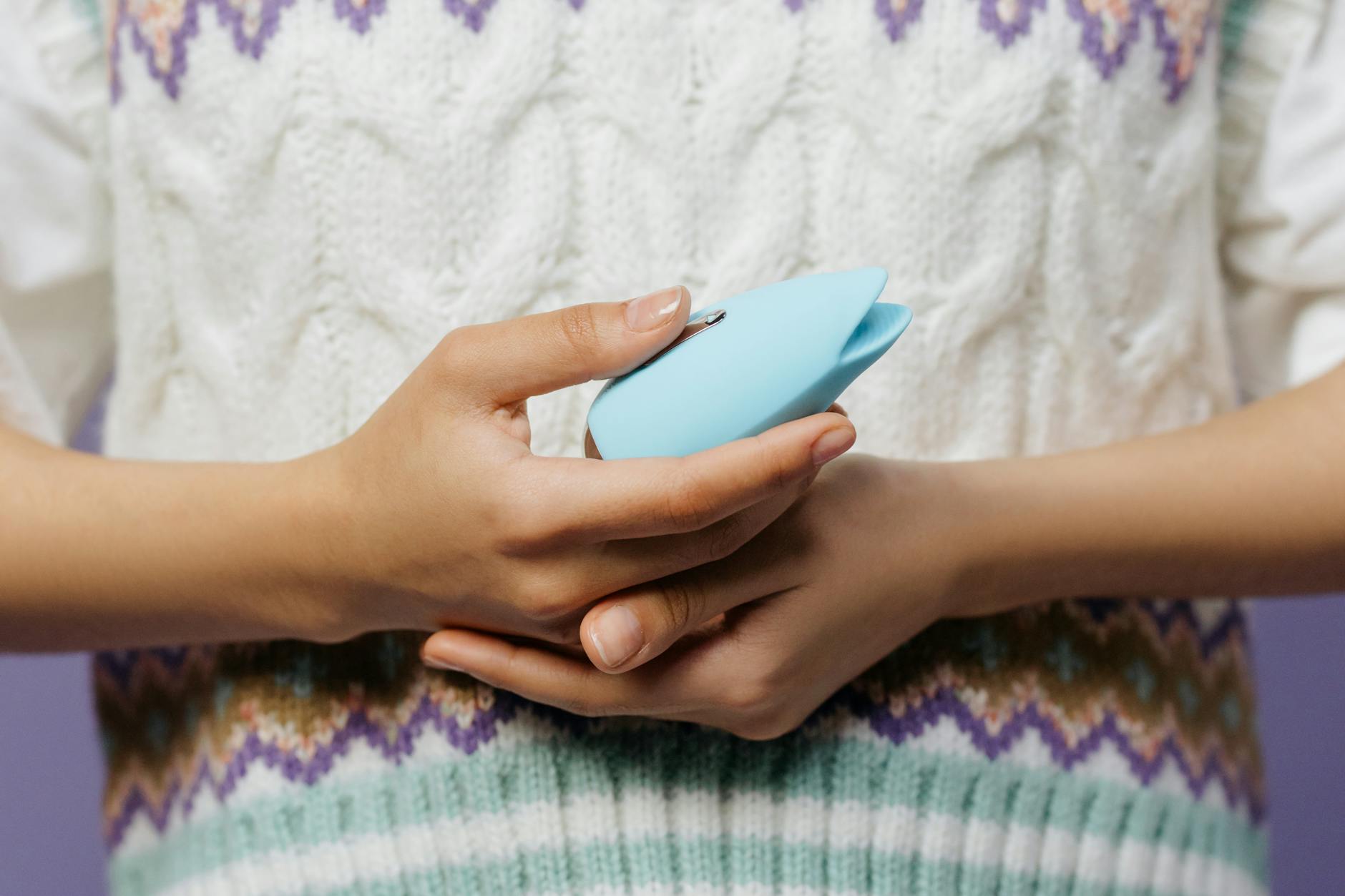
Lemon vibrators, specifically the kind that use gentle suction (like the Lem), tend to feel less intense than traditional vibrators. Suction distributes pressure across a wider area instead of creating a single point of friction, which means people with pelvic pain often find them more comfortable than buzzing devices.
How to rebuild pleasure without penetration
Three principles make the shift work:
1. Separate orgasm from partner intimacy (at first). If you're in a partnership, many couples try to solve penetration pain by making it work right away. That puts pressure on both of you. Instead, spend a month or two getting familiar with clitoral vibrators solo. Remove the stakes. There's no performance, no timeline.
2. Start with rhythm, not intensity. Place your lemon vibrator against your clitoris and let it sit for 30 seconds before turning it on. When you do activate it, start on the lowest setting. Your nervous system needs to recognize that this sensation is safe. Many people with pain histories jump to higher settings out of habit or anxiety. Resist that.
3. Use lube, even for external stimulation. Water-based lube creates a softer barrier and reduces friction. It also signals to your body that this is a pleasure activity, not a medical procedure. The sensory shift matters more than you'd expect.
What actually works with a partner
If you're partnered, here's the conversation that opens the door: "I need us to explore pleasure in a different way for now. This isn't about you. It's about my body needing something different."
Then show them. Let your partner watch you use your lemon vibrator. Not as performance, but as information. They get to see what feels good to you. You get comfortable in that space. Then they can participate: they might hold the vibrator, or touch you elsewhere while you hold it, or just be present.
This sounds slower than traditional sex. It is. It's also often significantly more satisfying, because no one is waiting for the other to catch up to pain.
For couples where one partner experiences penetration pain, this shift often saves the relationship. Why? Because it replaces a situation that was degrading (sex that causes pain) with something affirming (pleasure that actually works).
Reframing what penetration pain means for desire
Most people assume pain during sex means their desire is broken. It's the opposite. Your body is communicating clearly. Your desire is intact. What's not working is the delivery method.
Many of my clients report that once they stopped forcing penetration and redirected to external clitoral stimulation, their desire actually increased. Why? Because sex stopped being something that hurt and became something that felt good.
If you're grieving the loss of penetration as a primary pleasure source, that's valid. But grief usually shifts when you discover an alternative that feels better. Most people find clitoral vibrators deliver more reliable, more intense orgasms than penetration ever did.
When to loop in a professional
If penetration pain is recent or severe, see a gynecologist first. Some pain points (infections, fibroids, endometriosis) need medical attention before self-pleasure tools will help.
For ongoing pain, a pelvic floor physical therapist is often more useful than a general gynecologist. They can identify whether the issue is muscular tension, fascial restriction, or trauma-based protection, and they can coach you through actual resolution instead of just reassurance.
If you're working through pain that's connected to past sexual trauma, a trauma-informed therapist or sex therapist should be part of the process. Clitoral vibrators are genuinely helpful tools in that healing, but they work best alongside professional support.
The pleasure that's waiting on the other side
Penetration pain is real. The limitation it imposes is real. But the assumption that it ends your sexual life is not.
Lemon clitoral vibrators exist in this exact zone. They're designed for direct, external stimulation. They're discreet enough to use solo while you're healing. They're also sophisticated enough that many people use them as their primary pleasure tool regardless of whether penetration is on the table.
Your body isn't broken. Your pleasure hasn't gone anywhere. It's just asking you to find a new route. That route often turns out to be better than the original one.
Frequently asked questions
Can I use a clitoral vibrator if I have vaginismus?
Yes, absolutely. Vaginismus is involuntary muscle tightening, which means penetration triggers pain. External clitoral stimulation doesn't involve penetration at all, so it bypasses the mechanism that causes pain. Many people with vaginismus find that clitoral vibrators are the only thing that allows them to experience orgasm without fear or discomfort. As you work with a pelvic floor therapist on the underlying muscle tension, clitoral pleasure becomes even more accessible.
Will using a vibrator make me less interested in partnered sex?
No. Actually, the opposite often happens. When you discover what feels genuinely good to your body, that information becomes more useful to your partner too. You're not replacing partnered sex. You're giving yourself permission to experience pleasure on your own terms first. That confidence typically translates into better communication with partners about what actually works.
How do I explain to my partner that I need to use a vibrator instead of having penetrative sex?
Honestly and early. Try: "My body is telling me that penetration isn't working right now. I want to explore other ways to feel good together. I'd like to use a clitoral vibrator, and I want you involved in figuring this out with me." Partners usually respond well to directness combined with inclusion. Frame it as a joint adventure, not a loss.
Is clitoral stimulation alone enough for orgasm if penetration is painful?
For most people, yes. The clitoris has more nerve endings than any other part of your body. Direct external stimulation is actually the most efficient path to orgasm for many people, regardless of pain history. You might find you have stronger, faster, or more frequent orgasms with clitoral vibrators than you ever had with penetration.
How long until penetration stops hurting and I can go back to regular sex?
It depends entirely on the cause. If it's vaginismus or pelvic floor dysfunction, a specialized physical therapist can typically help you see improvement within 6 to 12 weeks of consistent practice. If it's endometriosis or adhesions, recovery takes longer and sometimes requires surgical intervention. The key: don't rush. Your pleasure doesn't depend on penetration being on the table. Work on healing without that pressure.
Can I use a lemon vibrator alongside medical treatment for penetration pain?
Completely yes. In fact, pelvic floor therapists and sex therapists often recommend external clitoral vibrators as part of healing from penetration pain. They allow you to experience pleasure safely while you're addressing the underlying issue. Some people find that reconnecting with pleasure actually speeds healing because it reduces the anxiety cycle that often perpetuates pelvic floor tension.
The path forward
Penetration pain doesn't have to mean the end of your sexual life. It means redirecting toward what actually works. Lemon clitoral vibrators are built for exactly this moment. They're external, they're gentle, and they work. Your pleasure is still there. Your body is still capable. You just found a better route.