Let's talk about the timeline problem
Your doctor said six weeks. It's been twelve, and your body is still not cooperating. Maybe it's surgery recovery, maybe it's a chronic injury flare-up, maybe it's pelvic floor rehabilitation that moved slower than expected. Whatever the cause, you're stuck in a gap between "you're cleared for normal activity" and "I actually feel ready." And somewhere in that gap, you're wondering if pleasure is even possible right now.
Here's the thing: it absolutely is. But it requires specificity. Using a lemon clitoral vibrator during extended recovery isn't the same as using one when you're well. The timing matters. The patterns matter. The positioning matters.
Why extended recovery changes the game
When healing takes longer than expected, three things happen physiologically. First, your nervous system stays in a lower-threshold state for longer. If you're recovering from surgery or trauma, your body has learned to perceive threat where it didn't before. Your pelvic floor likely stays tenser than normal, guarding the area even when it's physically safe.
Second, your tissue tolerance rebounds slower. Scar tissue, adhesions, or inflamed fascia don't just disappear on a timeline. They require consistent, gentle stimulation to remodel. Lemon vibrators are actually ideal for this because suction-based stimulation works differently than traditional vibration. It engages tissue without the same mechanical pressure.
Third, your mental relationship to pleasure shifts. After weeks of pain or limitation, your brain has built an association between that area and "don't touch." Rewiring that takes patience, not just patience, but actual evidence. Your body needs to learn, over time, that gentle stimulation equals good sensation, not threat.
Start with zero pressure on the timeline
This is the mistake most people make during slow recovery: they hit a clearance date, assume that means they should feel normal, and then feel broken when they don't. You're not broken. You're healing, and it's taking the time it needs.
Ditch the idea that you should be further along. Instead, work with a simple framework: sensation exploration, not pleasure achievement. On weeks one through three of intentional practice, the goal is just to notice what feels neutral, what feels warm, what feels dull. No expectation of arousal, no goal of orgasm. Just data.
Start in a deeply relaxed state. I mean genuinely relaxed, not just "not tense." That means a warm bath or shower beforehand, time to settle into your body, maybe some breathing work first. Set a timer for ten minutes, give yourself permission to do absolutely nothing except notice.
The pressure settings that actually work
Lemon vibrators come with multiple intensity patterns. During extended recovery, you're working mostly with the lowest two. Pattern one on the Lem, for example, is often perceived as almost a hum rather than a vibration. That's your entry point.
Here's why: your tissue is hypersensitive right now. Not in a good way. The normal threshold for comfortable sensation is lower than it should be. What feels pleasant to you normally will feel overwhelming to your nervous system during recovery. You need to build back up.
Start the Lem on pattern one, held about an inch away from your clitoris. No direct contact yet. Just proximity. Let your nervous system adjust to the sensation without the intensity. Do this for three to five minutes. If that feels good, move to pattern two next session. If pattern one still feels too much, stay there for another full week.
The actual progression takes four to six weeks if you're building from zero. That's not slow. That's smart.
Positioning during the sensitive phase
Your usual comfortable positions probably won't work right now. The angle matters because it changes which nerves and tissues get stimulated. If you've been recovering from pelvic floor issues, deep internal positioning will activate muscles that need rest. If you're recovering from pelvic trauma, certain angles trigger your guard response.
Instead, try reclining at a 45-degree angle, propped on pillows, with your legs relaxed and slightly apart. This position takes pressure off your pelvic floor and opens up access without requiring any muscular engagement from you. You're passive. Let the toy do the work.
Hold the Lem perpendicular to your body, never at an angle that points inward. You want pure external stimulation during this phase. Angle matters because it prevents your nervous system from perceiving any "invasion," which is what keeps your pelvic floor relaxed and safe.
If even that positioning feels uncomfortable, lie flat with a pillow under your lower back and try again. The goal is zero tension in your legs, glutes, or pelvic floor. If you notice yourself clenching, pause, breathe, and adjust your setup until clenching stops.
The pattern progression that matches your timeline
Week one through three: Pattern one only, three to four times per week, ten minutes max. Goal is sensation awareness, not pleasure. Stop if anything feels uncomfortable. No rushing.
Week four through six: Alternate between pattern one and pattern two, still three to four times weekly. By week five, you should notice a shift. Sensations start feeling less distant. Pattern two might start feeling genuinely good instead of just tolerable.
Week seven onward: You can experiment with pattern three, but only if weeks four through six felt progressively better. If you plateau, stay where you are. There is no "should" timeline. Extended recovery means your nervous system is the boss, not the calendar.
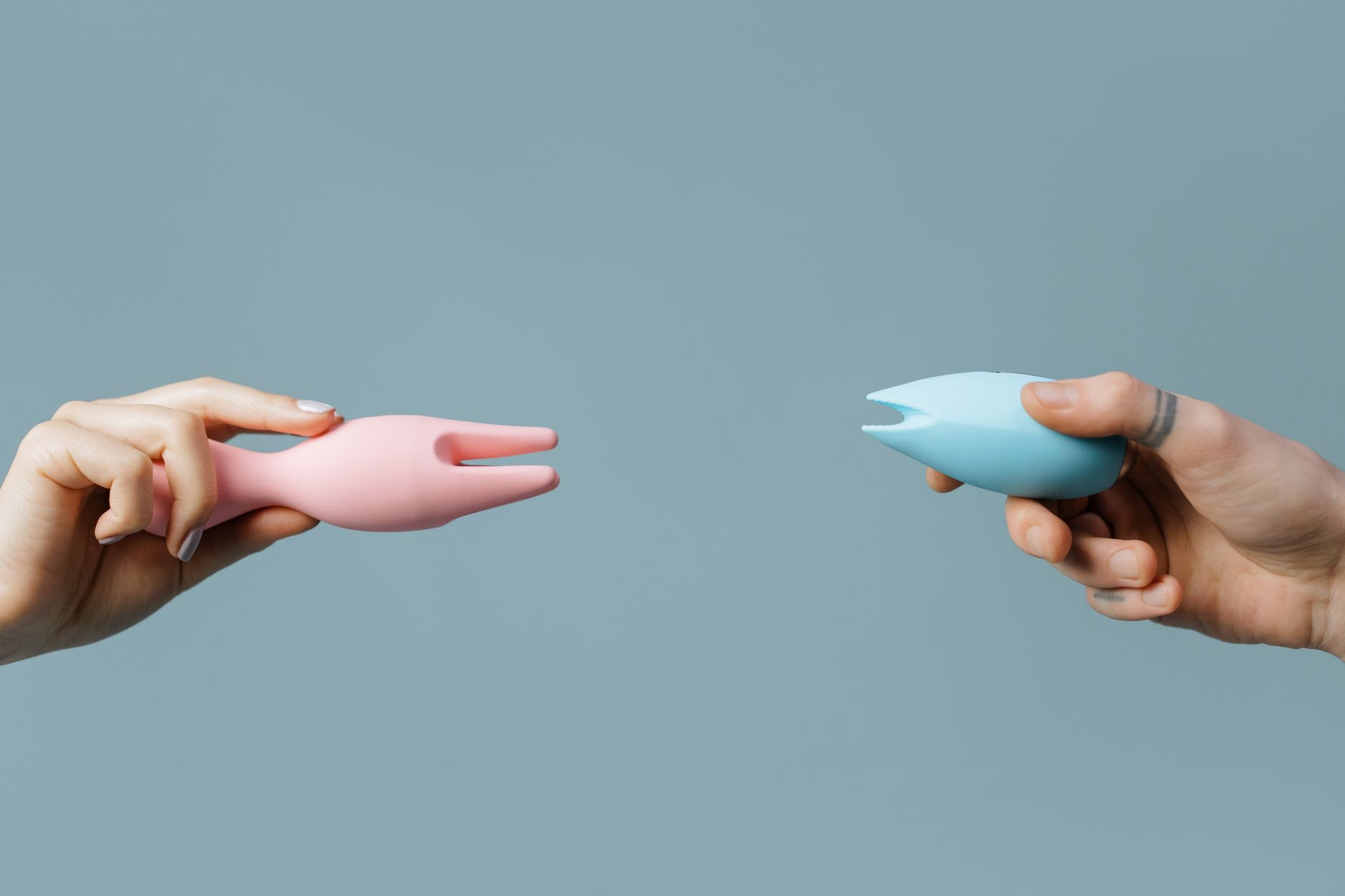
Photo by cottonbro studio on Pexels
When to pause or step back
Pain during stimulation means stop immediately. Not discomfort, not intensity, but pain. That's your signal that something isn't ready. Back off to the previous pattern level or session frequency and give it another week.
Increased inflammation afterward also means back off. Some people notice mild swelling the day after a session. That's normal during early recovery. But if swelling is noticeably worse the next morning, or if you feel increased sensitivity, you pushed too hard. Dial back the intensity or the duration.
There's also a mental piece. If you feel dreaded during sessions, if you're white-knuckling through them trying to feel good, stop. That's your nervous system saying it's not ready. Come back in a week. Extended recovery means you're building something sustainable, not pushing past resistance.
Integrating partner touch safely
If you have a partner, they might wonder how to fit into this phase. The answer: carefully and separately from your solo practice. Your body needs to distinguish between self-touch (safe, controlled) and partner touch (less predictable, even with intention).
Once you're solid at week six with the lemon vibrator, you can introduce very gentle partner touch. Hands only, no toys. They should follow your lead and your pressure entirely. You're relearning trust in that area. The vibrator builds tolerance. Partner touch rebuilds emotional safety.
Keep these conversations explicit. Tell your partner exactly what you're doing with the Lem each week, what you're noticing, what your boundaries are. When you add their touch, be specific: "I want you to hold your hand here, no movement, just warmth for five minutes." That clarity actually deepens the experience and the connection.
The mental work nobody talks about
Your body is healing fine. Your mind might be stuck on "this area was unsafe" for a while. Using a lemon vibrator during recovery is as much about rewiring that neural pathway as it is about physical sensation.
Every session where you use it without pain is evidence. Every time you notice good sensation instead of threat, that's data your nervous system integrates. After weeks of this, your brain starts updating its map of that area from "fragile, risky" to "capable of pleasure."
This is why the specificity matters. Rough handling, overstimulation, or pushing past readiness sends your nervous system backward. Gentle, consistent, patient stimulation builds the case that pleasure is safe again.
Real expectations for extended recovery
You might not feel like yourself until month three or four of this framework. That's not a failure. That's healing. Some people find their sensitivity actually improves beyond baseline once fully recovered, because they've spent weeks learning their body in detail and rewriting the trauma response.
Some days will feel better than others. Some sessions the Lem will feel amazing, others it'll feel muted. That's normal during recovery. Your nervous system is still recalibrating.
Most importantly: this timeline is yours. There's no prize for "normal" healing speed. The goal is pleasure that feels genuinely good, not pleasure that meets someone else's schedule.
Frequently asked questions
How do I know if I'm pushing too hard during recovery?
Pain during or immediately after sessions is the clear signal. Increased swelling, inflammation, or soreness the next day also means ease back. If you're mentally dreading sessions or forcing yourself through them, that's worth pausing on too. Your nervous system is the authority here, not willpower.
Can I use other lemon vibrators like the Berri during recovery, or should I stick with one?
Different lemon vibrators have different mechanics. The Lem uses air-suction, which is gentler during early recovery. The Berri is a traditional vibrator, which means more mechanical pressure. For extended recovery, start with the Lem. Once you're solid at week eight or nine, you can experiment with other designs if you want variety.
What if my partner had a faster recovery and wants to resume sex earlier than I'm ready?
This is a conversation about timelines and bodies being different. Your recovery doesn't operate on their schedule. If you've been practicing with the Lem and noticing readiness, great. If you haven't, that's real information. Be specific: "I'm not ready for penetration yet, but I'd love to explore other ways we can connect." Solo pleasure with the vibrator can coexist with partnered intimacy that doesn't involve penetration.
Is it normal to feel less sensation with the lemon vibrator during recovery compared to before injury?
Completely normal. Your nervous system is protective right now. Sensation perception dulls during recovery in that area as a protective mechanism. As you practice and your system learns the area is safe, sensitivity returns and often becomes richer than before. This is actually a sign you're on track, not a sign something is wrong.
How do I talk to my doctor about using a clitoral vibrator during recovery?
Be straightforward. "I'm using a clitoral vibrator on low settings to help rebuild sensation and confidence in this area during recovery." Most providers support this, especially sexual health specialists. If yours doesn't, that tells you something about whether they're the right fit for ongoing conversations about your sexual health during recovery.
When can I stop worrying about "being careful" and just enjoy sensation again?
When three to four sessions in a row feel genuinely good with zero soreness or inflammation afterward. That's typically four to six weeks into consistent practice if you're progressing steadily. Extended recovery might mean eight to ten weeks. Either way, your body will tell you when it's ready to shed the caution.
Remember, you're not broken while you're healing. You're exactly where you're supposed to be. The lemon vibrators are here to make that timeline feel less lonely and more intentional.