Let's start with what's actually happening
Recovery after surgery, illness, or intensive medical treatment often means your body has been through real trauma. Numbness, fatigue, disconnection, pain, reduced arousal. Your nervous system has been in survival mode. Then gradually, things shift. Sensation starts returning. Energy creeps back. The desire to feel pleasure again surfaces.
This is good. This is your body healing. But diving back into pleasure the way you did before is almost always a mistake.
Why sensation doesn't just flip back on
When your body has been through a significant health event, several things happen at the nervous system level. Your arousal threshold changes. Touch that used to feel amazing might feel numb or even uncomfortable for a while. Pain pathways and pleasure pathways can get tangled in recovery, which means what used to feel purely good might carry a ghost of discomfort.
Surgery changes things too. Abdominal surgery, pelvic surgery, any intervention in or around the genitals creates scar tissue and altered nerve pathways. Even when you're physically healed, your nervous system doesn't automatically remember that touch is safe again.
Most important: your brain is still catching up. You've been in pain, in fear, in survival mode. Your dopamine and serotonin have been depleted. Reintroducing pleasure isn't just a physical project. It's asking your entire nervous system to shift.
The timeline you're actually looking at
I want to be real about this. Complete sensation recovery isn't usually fast, and it's not linear. Many people experience:
- Weeks 1-6 post-recovery: Numbness or hypersensitivity (even light touch feels too intense)
- Weeks 6-12: Sensation starts normalizing, but arousal takes effort
- 3-6 months: Pleasure returns, but rhythm feels different
- 6-12 months: Full integration, when your new normal feels natural
This is not a failure. Your body is doing exactly what it should. The nervous system heals slower than tissue does.
How to introduce lemon vibrators into early recovery
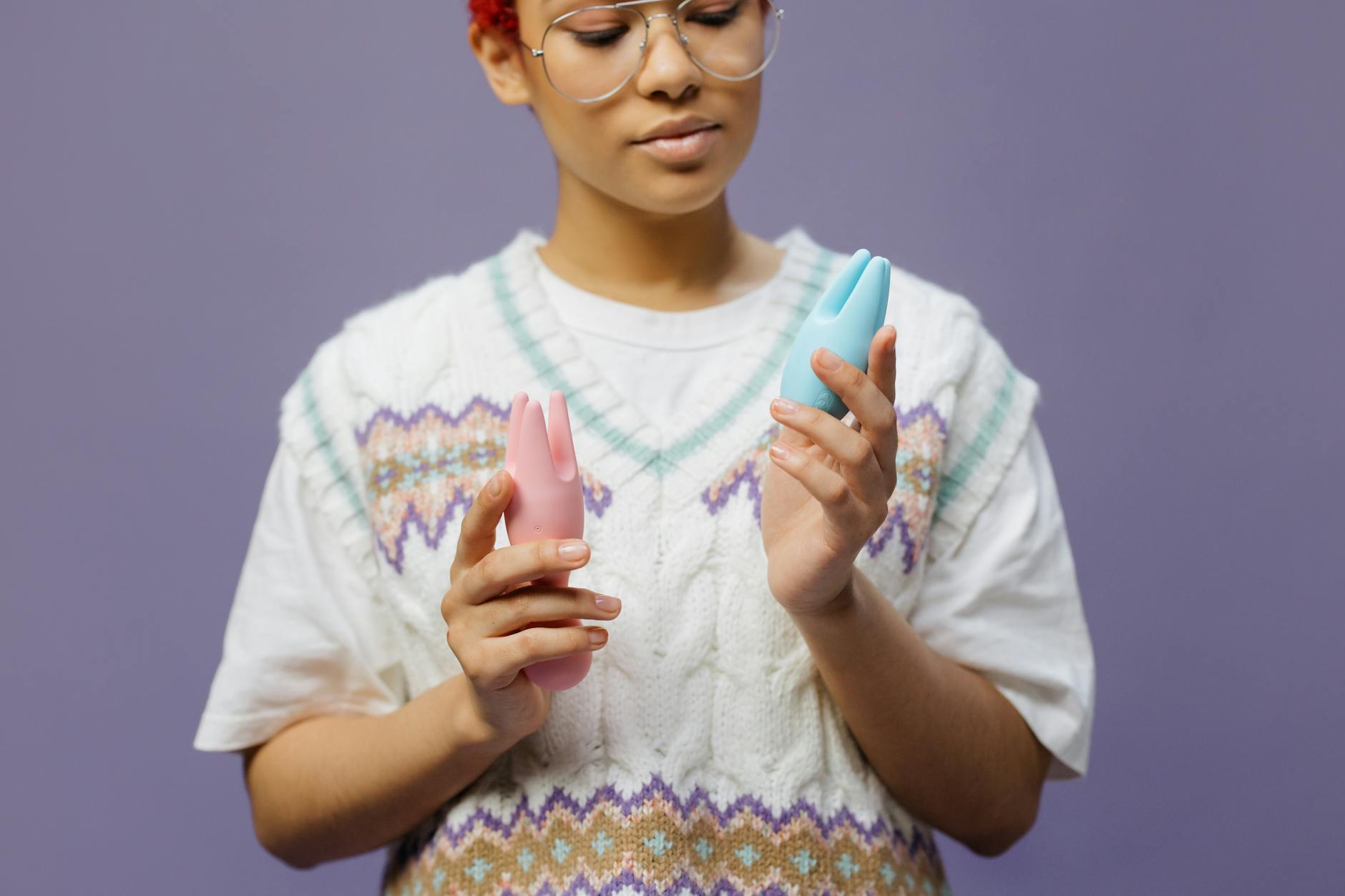
When sensation is just beginning to return, lemon clitoral vibrators like the Lem are genuinely useful because of how they work: suction-based stimulation is gentler on vulnerable tissue than direct vibration.
Here's what I recommend:
Start with your clothes on. Yes, really. The first time you use a lemon sucker during recovery, wear underwear. Let the sensation filter through the fabric. Your nervous system needs to remember that stimulation can feel good without being overwhelming. This sounds basic, but it retrains your brain's response before your body gets involved.
Use the lowest settings only. If your Lem has multiple patterns, spend two weeks on pattern one. No jumping ahead. Your tissue is still learning how to respond, and your nervous system is still recalibrating. Patience here prevents setbacks.
Keep sessions short. Five to ten minutes is enough. Recovery is exhausting, even when you're feeling better. Pleasure doesn't need to be a marathon right now. Short, consistent contact is better than long sessions that leave you depleted.
Lubricate generously. Even if sensation is returning normally, tissue that's been healing is often drier than usual. Use water-based lube, and reapply. This removes friction variables that might create pain signals in a nervous system that's still sorting pleasure from hurt.
The emotional layer (which is just as important)
Here's what nobody tells you: recovering sensation is emotionally loaded. Your body let you down. It was in pain, in danger, possibly in a hospital, possibly under anesthesia. Your relationship with your body might be fractured. You might feel shame, fear, grief, or a strange disconnection from your own pelvis.
Introducing pleasure back into that context isn't just physical. It's an act of trust. Trust that your body is safe now. Trust that pleasure won't trigger pain. Trust that you're allowed to feel good.
If you have a partner, this is worth talking about separately from the physical act. Your partner might be afraid of hurting you. Might be uncertain about what you can handle. Might have their own grief about what you both went through. Separating "we want to reconnect physically" from "are you scared we broke something" gives you two actual conversations instead of one confused tangle.
Warning signs to back off
Your nervous system will tell you if you're pushing too fast. Listen to it. Stop using your lemon vibrator if you experience:
- Sharp or burning pain (different from pressure or soreness)
- Numbness that worsens instead of improves
- Increased fatigue or anxiety during or after
- Panic response or flashbacks to the medical event
- Swelling, redness, or discharge
None of these mean you've failed. They mean your recovery timeline needs more space. Go back to your doctor if anything feels concerning. There's no finish line you're racing toward here.
When to move to the next phase
After three to four weeks of gentle contact on low settings, your nervous system will usually tell you what comes next. Sensation deepens. Arousal builds faster. You might feel ready to try without clothing. Pattern two might start to feel interesting.
When you do increase intensity, do it by one small step at a time. Upgrade from pattern one to pattern two, or move from clothed to skin contact, but not both in the same week. Your nervous system needs to integrate one change before it takes another.
The gift in slow recovery
I know recovery feels endless while you're in it. But I've worked with countless people rebuilding sensation after health events, and nearly all of them report something surprising: they discover their arousal patterns more clearly than they ever did before. Because you're going slowly, you actually feel the steps. You notice what pattern of sensation turns into arousal. You feel the difference between nervous system shutdown and genuine lack of desire.
That information is gold. It teaches you about your own body in a way years of "normal" sex usually don't. Many people say their pleasure after recovery is more intentional, more grounded, more genuinely theirs.
Your lemon vibrators are tools for this relearning. Not a way to rush back to what was. A way to rebuild something better.
Frequently asked questions
How long after surgery can I use lemon vibrators safely?
Check with your surgeon first, but generally: vaginal or pelvic surgery usually clears for gentle external stimulation around six weeks post-op, once all bleeding has stopped and your incisions have closed. Abdominal surgery might take longer because the internal healing is deeper. External-only clitoral stimulation like lemon suction toys is gentler than penetration, but your doctor should sign off based on your specific procedure. Don't guess on this one.
Can lemon clitoral vibrators cause nerve damage during recovery?
No. Lemon vibrators use gentle suction rather than intense vibration, which makes them lower-risk for sensitive tissue. What you're more likely to experience is overstimulation of a nervous system that's still recalibrating, which feels like numbness or temporary sensitivity increase. This isn't damage. It's your system saying "slow down." Backing off for a few days usually resets it.
What if sensation doesn't come back evenly?
This is normal and frustrating. You might have one area that's still numb while another is hypersensitive. You might feel arousal some days and nothing other days. This patchiness usually resolves over months, but it's not linear. Your nervous system is rewiring. Patience and gentle, consistent exploration with your lemon vibrator will help map out the new territory.
Is it normal to feel emotional when pleasure returns?
Completely normal. Sensation coming back can trigger grief (for what you lost), fear (will it happen again?), joy, rage, or a strange mix of all of them. You might want pleasure one moment and need to cry the next. This isn't weakness. Your nervous system is integrating a lot. If emotions feel overwhelming, talking to a therapist who understands medical trauma can help.
Can I use my lemon vibrator if I still have pain sometimes?
Depends on the pain. Soreness or ache during or after gentle stimulation usually means you need more recovery time. Sharp pain, burning, or pain that gets worse means stop and check with your doctor. Pleasure should not require pushing through pain. Your nervous system is trying to tell you something. Listen.
Will my pleasure ever feel the way it did before?
Honestly? It might feel different. Different doesn't mean worse. Many people report that post-recovery arousal is more conscious, more rooted in their own body, less about performance or expectation. Your lemon vibrator gives you a tool to explore what pleasure looks like now, in this body, after what it's been through. That's not a compromise. That's an evolution.
You're not starting over. You're starting different.
Recovery is a long conversation between you and your own body. There's no rush. Your lemon clitoral vibrator will be there whenever you're ready to dial up the intensity. For now, gentleness is the point. Trust that sensation is returning. Trust that pleasure is possible again. Your body knows how to heal. Sometimes it just needs permission, patience, and the right tools to get there.