When pleasure comes back online
Depression doesn't just make you sad. It erases sensation. The things that used to light you up feel flat. Food tastes like nothing. Touch feels like information without emotion. Sex feels like a chore you're supposed to want but don't. And then one day, without warning, something shifts. The fog lifts. Sensation starts returning. And suddenly your body wants things again.
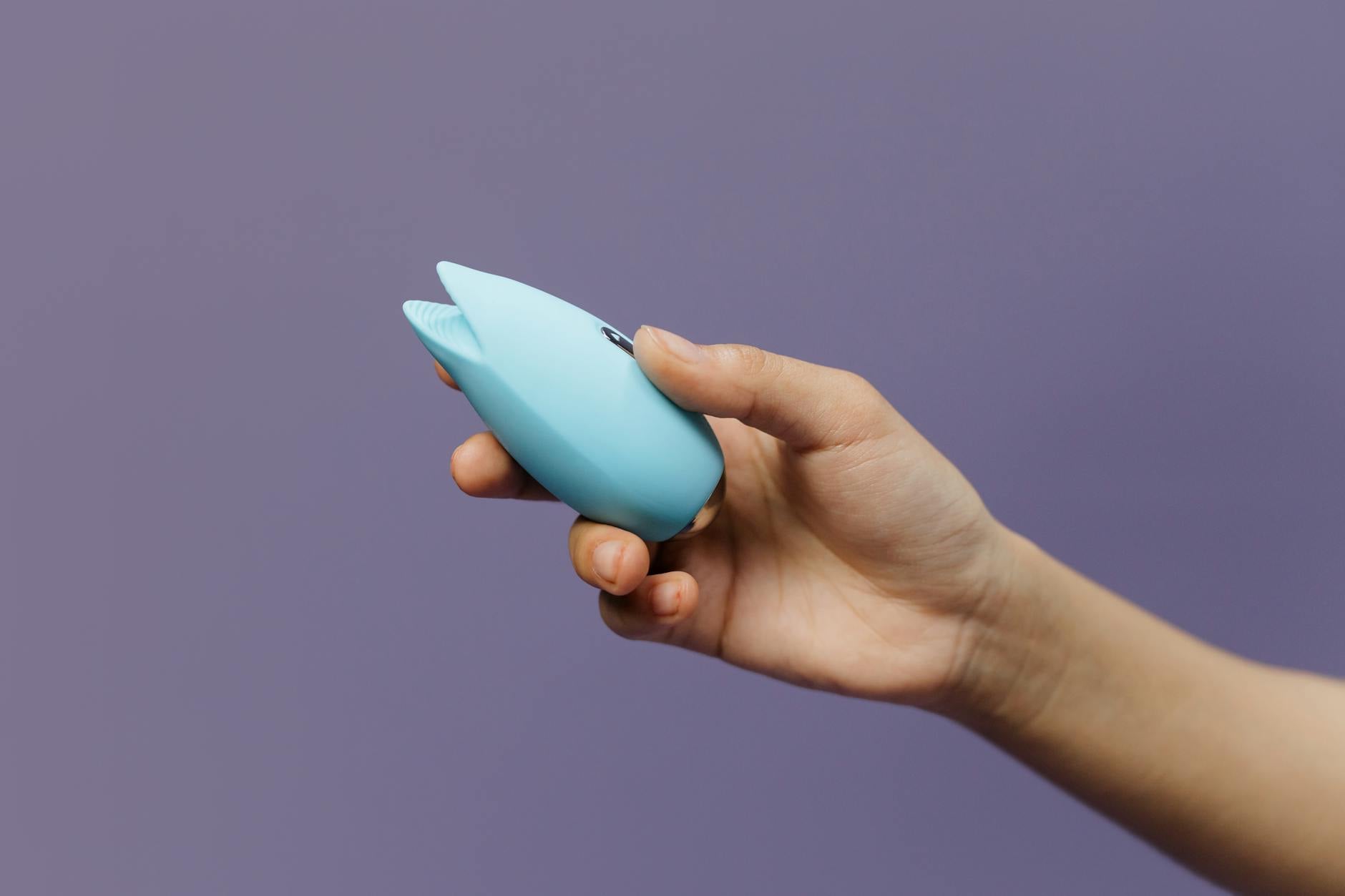
That return can feel as disorienting as the depression itself. You might feel guilty for having pleasure again. Your body might respond in ways that feel unfamiliar or too intense. You might not trust your own arousal. This is where lemon clitoral vibrators become useful. Not as a fix, but as a tool for gentle, controlled reconnection.
Why sensation feels different when you're emerging from depression
Depression is a full-body experience. It dampens dopamine and serotonin, the neurotransmitters that fuel desire and make pleasure feel like pleasure. When those chemicals are depleted, arousal might happen physiologically but feel hollow emotionally. Your body might respond while your mind stays completely detached.
The reverse is also true. As mood improves, your nervous system begins to recalibrate. Sensation returns, but it often comes back unevenly. Some areas of your body feel hypersensitive. Others still feel numb. You might notice you're aroused but don't recognize it as arousal. Or pleasure might feel suddenly overwhelming because your nervous system isn't used to that much stimulation anymore.
Lemon vibrators help with this specifically because they offer precision and control. Unlike partnered touch, which carries emotional and relational expectations, a vibrator is purely about sensation. You set the intensity. You set the pace. You're not managing anyone else's experience.
Starting with the gentlest patterns
When sensation is returning, more intensity is not your friend. The Lem vibrator, for example, has multiple intensity settings. Start at level 1 or 2, even if you used higher settings before depression.
Here's why. Your nervous system has been in a low state. Stimulation that used to feel normal now overstimulates you. Your clitoral tissue has less sensitivity from months or years of not being engaged. You need to wake it up gradually, the way you might ease back into exercise after a long illness.
Give yourself permission to use only the gentlest patterns for the first several sessions. This isn't about being prudish or timid. It's about nervous system health. Your body will tell you when it's ready for more intensity.
The emotional layer you can't skip
Here's what nobody warns you about: pleasure after depression can trigger grief. You might feel sad during or after orgasm. You might feel like you're mourning the time depression took from you. That's normal and it doesn't mean something is wrong.
Also common: guilt. You might feel like you don't deserve pleasure. Or shame that your body wants things while you're still healing emotionally. Let those feelings exist without fighting them. Using a lemon vibrator is an act of self-care, not selfish.
Set aside time when you're already feeling relatively okay. Don't use it as an emergency tool to pull yourself out of a bad moment. That sets up a cycle where you're depending on orgasm to regulate mood, which usually backfires.
If you have a partner, consider whether you want to tell them you're exploring pleasure again. That's entirely your choice. Some people find that reconnecting with their own body first, privately, helps them feel less vulnerable before involving a partner. Others prefer to reintegrate pleasure as a shared experience. There's no right way.
Rebuilding trust in your own arousal signals
Depression teaches your body to ignore signals. You're not hungry when you should be. You don't feel tired even at 3 a.m. Your body stops being a reliable source of information. Arousal is one more signal you've learned to ignore or distrust.
Using a lemon vibrator actually helps recalibrate that. As you use one, you're creating a consistent, low-stakes opportunity to notice what your body wants. Does the Lem feel good on the outer part of your clitoris or does it prefer direct contact? Does pattern 1 feel soothing or does pattern 3 feel right? These micro-choices help you rebuild the connection between sensation and preference.
The clitoral vibrator becomes a kind of biofeedback tool. It teaches you what turns on your nervous system. That information is transferable. You're not just learning what this toy does. You're relearning how to listen to your body's language.
Managing overstimulation and numbness in the same session
One confusing thing people experience: during one session, some parts of your body feel oversensitive while other parts feel numb. Your left clitoris might respond to a Lem setting while your right side wants something gentler.
This is why positioning matters. Try starting with the vibrator held at an angle rather than direct contact. Let it rest nearby before making full contact. You can also hold the vibrator slightly away, letting the vibration reach you without the full pressure.
If you feel overwhelmed, stop. This isn't a test you need to pass. Remove the toy, take three slow breaths, and check in. "Am I safe? Is my nervous system okay with this?" If the answer is yes, you can resume. If no, you're done for today.
When to involve a healthcare provider
If you're on antidepressants, certain medications can affect arousal and sensation. SSRIs, for example, sometimes reduce the ability to orgasm or make sensation feel muted. That's real and worth discussing with your prescriber. Sometimes adjusting timing or dosage helps. Sometimes switching medications does.
Also worth mentioning: pain during this transition. If you notice pain or discomfort while using a clitoral vibrator or any lemon sexual toy, that's worth bringing up with your gynecologist. Pelvic floor tension from depression is common and treatable.
And if you find yourself using the vibrator compulsively to regulate mood rather than for pleasure, that's a signal to slow down and talk to your therapist. The tool isn't the problem. The pattern is what matters.
Pleasure as permission
Here's something I tell clients in my practice regularly: pleasure returning is a sign your body trusts healing. It's not frivolous. It's evidence that your nervous system is finding its way back online.
Using lemon clitoral vibrators during this transition is honest work. You're not trying to force anything. You're not performing. You're just slowly, carefully reconnecting with sensation. That matters. Your pleasure matters. Take the time it needs.
People also ask
Can I use lemon vibrators while I'm still on antidepressants?
Absolutely. Antidepressants and vibrators aren't in conflict. In fact, for some people, a clitoral vibrator provides enough additional stimulation to help orgasm happen, even on medications that typically reduce sensation. The key is patience. Your body might need different settings or longer buildup time than it did before depression. Start low and adjust based on what your body tells you.
How do I know if I'm experiencing numbness or just lack of interest?
Genuine numbness usually feels like absence. You touch yourself and register the touch but feel no pleasure, no arousal response, nothing building. Lack of interest feels different. You might not want to engage, but if you do, sensation is there. With a lemon vibrator at low intensity, you should feel something within 30 seconds. If you feel absolutely nothing after trying a few different angles and patterns, that might be residual depression numbness, which is worth mentioning to your therapist or doctor.
Is it normal to feel emotional or cry during or after pleasure after depression?
Completely normal. You're often releasing tension and emotion your body has been holding. You might feel sad, angry, relieved, or confused. All of those can come up. If crying or intense emotion happens every time and feels overwhelming, that's worth exploring with a therapist. But occasional emotional release during or after orgasm is a sign your nervous system is actually engaging, not a sign something is wrong.
What if sensation still doesn't feel right after several weeks of using a vibrator?
Sensation returning isn't always linear. Some weeks feel more alive than others. If after a month or so of regular gentle exploration, you're still feeling mostly numb, that's not a vibrator problem. That's a nervous system signal worth bringing to your care team. You might need to adjust medication, explore trauma-informed therapy, or address other medical factors affecting sensation. The lemon vibrator can be helpful, but it can't do the whole job alone.
Should I tell my partner I'm using a vibrator again as I heal?
That's entirely your choice and depends on your relationship. Some people benefit from rediscovering their own body privately first before reintegrating with a partner. Others prefer openness from the start. If you do tell your partner, frame it as part of your healing, not a reflection on them. Some partners actually find it reassuring because it signals you're reconnecting with pleasure and with life.
Can using a lemon sexual toy too much actually delay my recovery?
Not the toy itself. But using any pleasure tool to avoid feeling difficult emotions can complicate healing. If you're using a vibrator to numb out or escape instead of to reconnect, that's worth noticing. The goal is reconnection and gradual nervous system reactivation, not avoidance. If you find yourself reaching for it compulsively or using it to dissociate, check in with yourself about what you actually need in that moment.
The body remembers what the mind tried to forget
Your nervous system has taken a hit. Depression is exhausting in ways that don't show. But your body doesn't forget how to feel pleasure. It just needs time and permission to wake up.
Lemon clitoral vibrators, used slowly and gently, help with that waking. They're precision tools for reconnection. They ask nothing of you except honesty about what sensation feels like right now, in this moment.
Your pleasure matters. Your healing matters. And you're allowed to enjoy both.