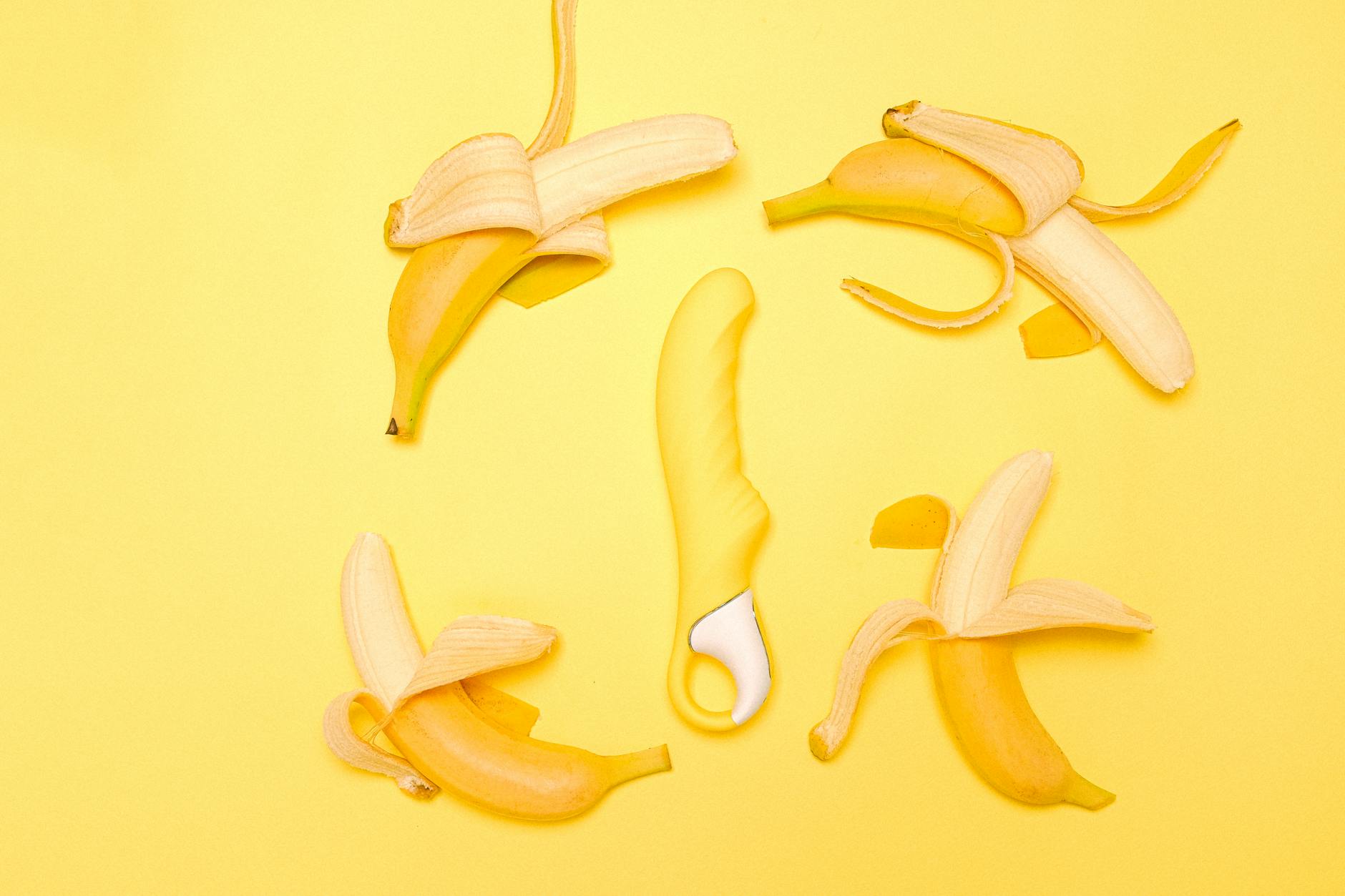
Here's the weird part about sensation overload
When touch feels too intense, the instinct is to avoid vibration entirely. That's sensible, except it's often the wrong call. The discomfort you're feeling isn't usually a sign to stop. It's a signal your nervous system needs recalibration, and the right tool can actually speed that up.
I'm not saying push through pain. Pain is different from intensity. But if you're experiencing a version of touch that feels overwhelming, borderline sharp, or just wrong without actually hurting, there's a specific approach that helps. And lemon clitoral vibrators, with their unique suction-based technology, are often gentler on overstimulated tissue than you'd expect.
Why touch becomes overwhelming in the first place
There are several reasons your clitoral area might suddenly feel hypersensitive. Understanding the cause helps you pick the right strategy.
Nerve sensitization. During stress, anxiety, or after intense stimulation, nerve endings become hyperresponsive. What normally feels good registers as too much. This is temporary but can feel alarming if you don't know what's happening.
Inflammation without pain. Sometimes the tissue is mildly irritated (from friction, from a new product, from hormonal shifts) without you realizing it. That inflammation makes normal stimulation feel sharper than usual.
Overstimulation hangover. After an intense session, some people experience a 12 to 48-hour window where any touch feels abrasive. This is real and totally normal. Your nervous system just needs time to reset.
Pelvic floor dysfunction. A tense pelvic floor amplifies sensation in ways that feel more overwhelming than intense. Tight muscles transfer force differently, so even gentle touch can feel sharp.
Medication or hormonal side effects. Some antidepressants, birth control, or thyroid medications can make the clitoral area feel hypersensitive. Hormonal fluctuations during your cycle can shift sensation too.
The key: identifying which one is happening helps you know whether to rest, use a different tool, or change your approach entirely.
Why lemon vibrators feel different when sensation is too much
Most vibrators work through vibration alone, which means rapid pressure. When touch already feels sharp, rapid pressure can compound the problem. Lemon clitoral vibrators use air-pulse or suction technology instead. That means they stimulate through indirect pressure and gentle rhythmic pulsing rather than direct friction or aggressive vibration.
This distinction matters enormously when your nervous system is already overloaded. Suction spreads the sensation across a wider tissue area and doesn't require the same direct contact, which means less intensity even at the same power level.
That said, not all Hello Nancy lemon sexual toys are the right choice during hypersensitivity. The Lem, our flagship lemon clitoral vibrator, is the most gentle option because it works through air-pulse technology and has lower pattern settings designed specifically for sensitive tissue.
The five-step recalibration approach
Step one: Start with the lowest setting and don't advance. Many people assume they need to "work up" to higher settings, but when sensation is overwhelming, that's backwards. Stay at setting one or two. Period.
Step two: Use lubrication even if you don't think you need it. This creates a buffer between the toy and your tissue. Water-based lube is your friend here because it doesn't interfere with the suction mechanism and adds a smooth layer that softens how sensation registers.
Step three: Never use direct contact at first. Place the lemon vibrator's opening against your outer labia first, not directly on your clitoral glans. This distributes sensation more widely and feels dramatically less intense. You can work inward over multiple sessions.
Step four: Use a timed approach. Instead of continuous stimulation, try 30 seconds on, 30 seconds off. This rhythm helps your nervous system register pleasure without overwhelm. The break period lets sensation settle and signals safety to your nervous system.
Step five: Pair it with breathing. Slow, deep breathing (four counts in, six counts out) literally dampens nerve firing. When you notice sensation feeling sharp, pause the toy and breathe for a minute. This isn't meditation. It's nervous system regulation.
When you need to take a break entirely
There's a difference between using techniques to manage intensity and pushing yourself into discomfort. If after two sessions of the approach above you're still experiencing overwhelm, step back.
Rest doesn't mean weeks. It usually means 2 to 5 days of zero genital stimulation. Let your tissue recalibrate. During that time, you can still engage with pleasure in other ways: partnered touch elsewhere on your body, fantasizing, foreplay that doesn't involve direct clitoral contact.
When you return to the lemon vibrator, start again at step one. The nervous system learns through repetition, and sometimes it needs a full reset rather than gradual modification.
What your pelvic floor might be doing (and how to fix it)
Tension in the pelvic floor often makes clitoral sensation feel worse, not better. If you notice that the intensity feels sharp or electrical rather than just strong, pelvic floor tension is likely involved.
Here's a quick self-check: during your next bathroom visit, try to stop your urine stream mid-flow. That tightening is your pelvic floor contracting. Now try to do the opposite. That release feeling is what you're aiming for during arousal.
Many people can contract their pelvic floor but struggle to fully relax it. If that sounds familiar, you need release work before ramping up stimulation. Gentle internal massage (clean fingers, slow pressure), warm baths, or <a href="/blog/how-to-use-lemon-clitoral-vibrators-when-your-pelvic-floor-is-too-tight">specific relaxation techniques for a tight pelvic floor</a> often help more than the vibrator itself does in the short term.
Once the baseline tension drops, the lemon clitoral vibrator will feel like a completely different experience.
The partner conversation, if you have one
If you're with someone, hypersensitivity can become confusing. They might feel rejected if you suddenly can't tolerate touch you used to enjoy. Or you might feel broken.
Here's what actually helps: tell them what's happening without assigning blame. "My clitoral area is hypersensitive right now. It's not about you or what you're doing. I need gentler touch and more space." That's clarity. Then invite them into the solution: "I'm using the Lem at the lowest setting for short bursts. You could join that, or we could focus on other touch." Shared problem-solving beats avoidance every time.
When to see someone about this
If hypersensitivity lasts more than two weeks, keeps getting worse, or is accompanied by pain, itch, or discharge, see a gynecologist. You might have a localized infection, contact dermatitis, or hormone-related changes that need professional input.
The same goes if this is brand new and happened suddenly after starting a new medication, birth control, or topical product. A good GYN can often pinpoint the cause in one visit and offer relief fast.
But if it's stress-related, position-related, or tied to overstimulation, you're usually looking at 5 to 14 days of patience and the approach above. Your nervous system learns fast once you stop fighting it.
FAQ: Touch feels too intense
Can I use a lemon clitoral vibrator if everything feels overstimulated?
Yes, but with modifications. Start at the absolute lowest setting, use it indirectly (outside the clitoral glans), and take frequent breaks. Many people find that the air-pulse technology in Hello Nancy lemon vibrators feels gentler than traditional vibration when sensation is raw.
How long does it take for oversensitivity to go away?
Typically 3 to 14 days, depending on the cause. Stress-related oversensitivity often improves within a week. Inflammation-related oversensitivity might take 2 weeks. If it's persisting longer than that, get evaluated by a healthcare provider.
Is pelvic floor tension the same as being "too tight" for sex?
Not exactly. You can have pelvic floor tension that makes sensation feel overwhelming without having pain or difficulty with penetration. It's about how the muscles are firing, not their size. Relaxation work helps either way.
Should I be using lube with a lemon sucker toy?
Yes, even though suction toys don't require the same friction-management that traditional vibrators do. Lube reduces irritation and makes the sensation feel smoother. Water-based lube is best because it won't degrade silicone and works seamlessly with the toy's suction mechanism.
What if one setting feels tolerable but the next one up is completely overwhelming?
Stay at the setting that works. You don't need to progress. Many people find their sweet spot and stick with it. As your nervous system recalibrates, you might naturally want to explore higher settings, but that should happen gradually and only if it feels genuinely good.
Can anxiety make clitoral touch feel too intense?
Absolutely. Anxiety puts your nervous system in a heightened state where all sensation registers as sharper. When you're anxious, spend extra time on breathing, use the lowest possible setting, and consider whether you're actually in the headspace for pleasure or if a break would serve you better.
Your nervous system learns what you teach it
Hypersensitivity isn't a permanent state. It's your nervous system protecting itself. Once you signal safety through gentle, consistent, breathy stimulation, that protective response eases. The lemon clitoral vibrator becomes not a threat but a reliable tool for pleasure.
That shift sometimes takes a week. Sometimes it takes longer. The point is to be patient with the recalibration rather than fighting it. When sensation feels too much, the answer is rarely more intensity. It's usually less intensity, more breathing, and time.
If you're stuck after two weeks, reach out. There's always something we can troubleshoot together.
Contact us if you want to talk through what's happening or need product recommendations tailored to oversensitivity.