Let's name what's actually happening
Performance pressure during sex is a chain reaction. Your brain goes into problem-solving mode instead of pleasure mode. You're watching yourself instead of feeling yourself. And the harder you try to "get there," the further away the destination gets. This is the opposite of how pleasure works.
The thing nobody tells you is that this isn't a personal failing. It's a very normal nervous system response to pressure, and it's wildly common. When you feel like you should be enjoying something (or that your partner expects you to), the prefrontal cortex starts running the show instead of your body's natural arousal systems.
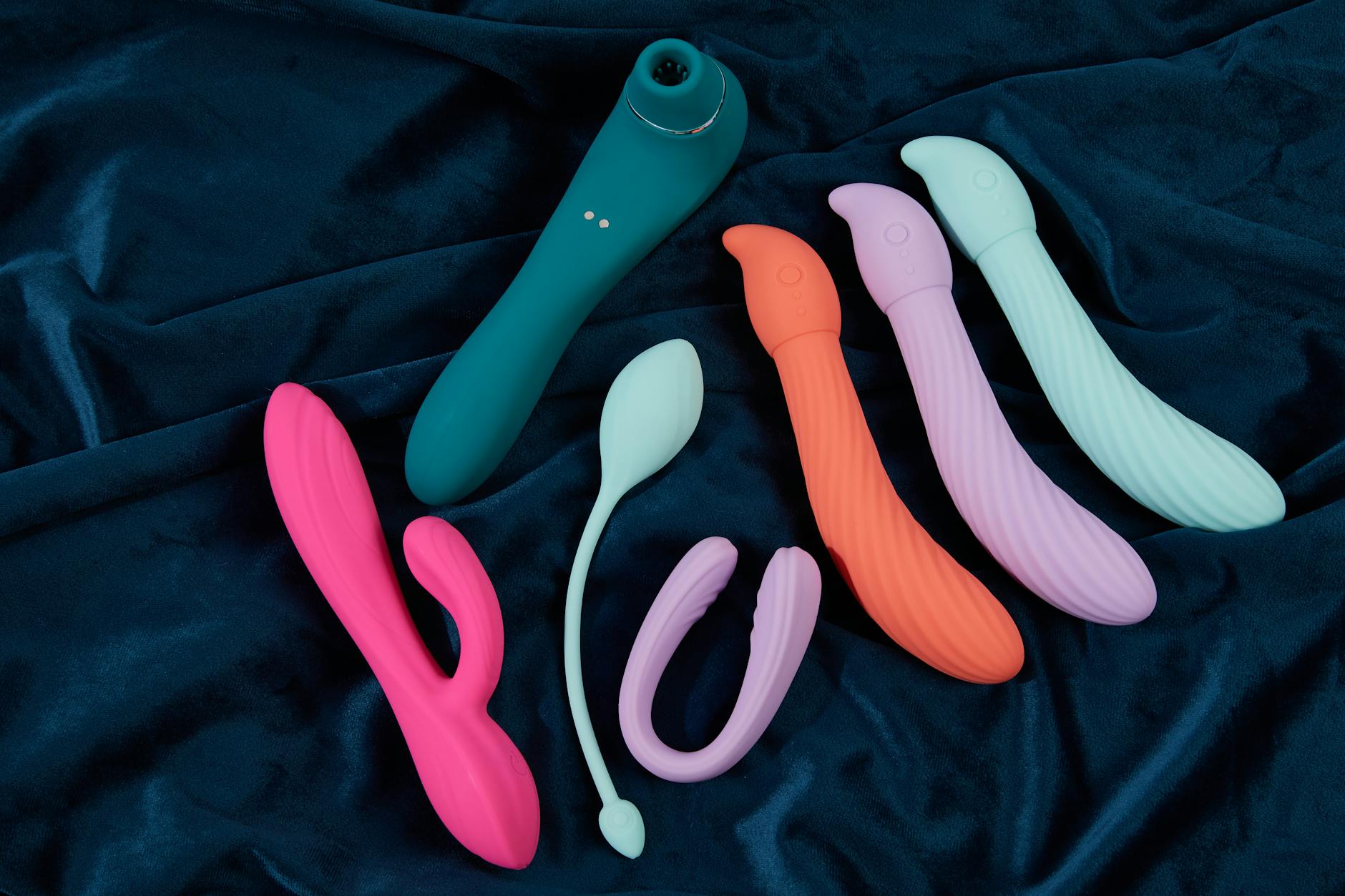
Clitoral vibrators like the lemon sucker devices from Hello Nancy work particularly well here because they short-circuit the performance trap entirely. They remove the expectation of "Am I doing this right?" and replace it with "What does my body actually want right now?"
Why performance pressure shuts down sensation
Your nervous system has two basic modes: sympathetic (fight-or-flight) and parasympathetic (rest-and-digest). Arousal only happens in parasympathetic. Performance pressure keeps you stuck in sympathetic.
When you're worried about how long it's taking, whether you're being responsive enough, or if your partner is satisfied, your amygdala (your brain's threat detector) is literally hijacking resources from your pleasure centers. Blood flow redirects away from your genitals. Your pelvic floor tenses instead of relaxes. Sensation dulls. And then the anxiety spirals because nothing's working, which makes you tense more.
This is why people often describe sex under pressure as "numb" or "like watching myself from outside my body." You're not broken. You're just stuck in the wrong nervous system state.
The specific way lemon vibrators interrupt the cycle
Clitoral vibrators designed for suction stimulation (like the Hello Nancy lemon vibrator) work differently than traditional vibration alone. The rhythmic pulsing sensation is powerful enough to pull your attention into your body and away from the narrative in your head.
Here's what I mean. When you're using a standard vibrator, you can still drift into your anxious thoughts. You're semi-present. But suction-based lemon sexual toys demand more focused attention. Your body actually has to respond to that sensation, which means your nervous system gets a permission slip to step into parasympathetic mode.
It's not magic. It's neurophysiology. The sensation is novel enough, rhythmic enough, and localized enough to interrupt the anxious feedback loop and ground you in the present moment.
How to reframe this as exploration, not performance
The first mental shift is to name this session as research, not a test. You're not trying to have an orgasm or prove anything. You're learning what your body prefers, which patterns feel best, and how your nervous system responds when pressure is off.
Use a lemon clitoral vibrator solo first, without any timeline or goal. Set 20-30 minutes aside. Start at a low intensity (pattern 1 or 2 on the device). The job is just to notice what sensations come up. No judgment, no rush.
Most people discover that when they take the performance pressure away, arousal actually shows up faster. Not because they're trying harder. Because their nervous system finally has permission to relax.
Specific patterns to try when anxiety creeps in
If you notice your brain getting busy with worry, three techniques actually work:
1. Breathe longer on the exhale. If you're breathing in for four counts, breathe out for six or eight. This signals safety to your vagus nerve (the main parasympathetic nerve). Do this for two minutes, then return to the lemon vibrator.
2. Anchor to physical sensation. Press your feet into the bed or ground while you're using the device. Feel the sheets against your skin. Name three things you can actually feel right now that aren't related to pressure. This pulls you out of your head and into your body.
3. Use a pattern that feels novel. The reason we become habituated to sensation is partly psychological. If you're always using pattern 3, switch to pattern 5 next time. The unfamiliarity alone can pull your attention back to the physical experience.
What changes when you use lemon vibrators without an audience
Here's something I've seen consistently in my work with couples. When someone uses a lemon adult toy alone and discovers they can actually feel pleasure, they bring that knowledge back into partnered sex. They know it's not broken. They know pressure was the problem, not their body.
Then something interesting happens. They're often able to communicate that to their partner: "I need us to slow down," or "I need to not worry about what happens," or "Let's try not having a goal here." And suddenly the pressure lifts for both people.
The device isn't doing the therapeutic work. The person's changed relationship with their own pleasure is. The vibrator is just the tool that made it possible to experience pleasure without the performance narrative.
When to bring this into partnered situations
If you're in a relationship and you've been struggling with pressure during sex, there are smart ways to introduce a clitoral vibrator. First, use it on your own enough that it feels normal and natural to you. You need to know your own nervous system's response before you add another person into the room.
When you do use a lemon vibrator with a partner, frame it as additive, not corrective. "I want to feel this while we're together" lands very differently than "I can't come without this." The first is about pleasure. The second feels like failure.
Many couples find that when pressure is off the table entirely, they can actually enjoy each other instead of performing for each other. That's the real shift.
FAQ: Performance Pressure and Pleasure
What's the difference between performance anxiety and regular nervousness?
Performance anxiety is when your nervous system is actively braced for failure. Regular nervousness is "I haven't done this before, so I'm a little uncertain." Regular nervousness settles once you get comfortable. Performance anxiety gets worse the more you focus on it because your brain keeps scanning for whether you're "succeeding." Clitoral vibrators help because they move the focus from outcomes to sensation.
Can lemon vibrators actually help with anxiety during sex, or are they just a distraction?
They're not a distraction. They're a circuit-breaker. They interrupt the anxious thought pattern by creating a sensation intense enough that your brain has to pay attention to it instead of running the anxiety script. Over time, this teaches your nervous system that pleasure and pressure don't have to exist together. That learning is real and transferable.
Is it normal to feel more pressure when using a vibrator for the first time?
Completely. If you've bought a lemon sexual toy specifically to "fix" a problem, that's already framing it as performance. Pressure happens. But if you start solo, with no outcome expectation, the pressure usually dissolves quickly. The device is just giving you sensation. What you do with that sensation is up to you.
How long does it usually take to feel the difference when pressure eases?
Most people notice a shift within the first few solo sessions. Your nervous system responds pretty quickly when the threat signal (pressure) goes away. Some people need more time, especially if they've carried sexual anxiety for years. That's totally normal and doesn't mean anything is wrong.
What if my partner thinks using a lemon vibrator means I'm not satisfied with them?
This is actually a relationship conversation, not a vibrator question. If your partner sees a device as a threat instead of a tool, that's worth addressing directly. Many couples find that bringing toys into their sex life actually increases intimacy because it removes the pressure that was keeping them distant. A good conversation starter: "I want us both to feel more pleasure, and this helps me get there."
Can I use a lemon sucker while managing performance pressure if I'm on antidepressants?
Many antidepressants do affect sensation and arousal, and clitoral vibrators can absolutely help with that. In fact, this is one of the most common scenarios I see. The device isn't fighting the medication. It's just providing a stronger stimulus to work with. For specifics about your particular medication, this is worth checking with your doctor or a sex-positive therapist.
The bottom line
Performance pressure isn't a character flaw. It's a nervous system stuck in the wrong mode. A good clitoral vibrator isn't a shortcut to pleasure. It's a way to teach your body that pleasure is actually available when you're not holding your breath waiting for something to happen.
Try the solo approach first. Feel what your body actually wants. Then bring that knowledge into whatever comes next. The pressure often lifts on its own once you remember what pleasure without performance actually feels like.
If you're still struggling after a few weeks, this might be worth exploring with a sex-positive therapist or relationship counselor. Performance anxiety often has deeper roots, and working with a professional can help unpack where it came from. Meanwhile, the lemon vibrators are ready whenever you are.