Let's start with what actually happened
Pregnancy floods your body with hormones. Estrogen spikes. Blood flow to your genitals increases massively. Your clitoris swells. It becomes more sensitive, sometimes wildly so. Some people experience orgasms for the first time during pregnancy. Others find touch unbearable. Both are completely normal.
Then you deliver. Whether vaginally or via cesarean, your body goes through profound physical change. Hormones drop like a stone. The engorgement fades. Blood flow normalizes. And suddenly, your clitoris feels like a stranger's.
Here's the thing nobody tells you clearly: that strangeness is real. Your clitoris did change. But it didn't break. Understanding what happened is the first step to reconnecting with pleasure.
What pregnancy actually does to clitoral tissue
During pregnancy, increased estrogen thickens the tissue around your clitoris. The nerve endings become more responsive because blood volume surges. Your clitoris may look visibly larger. Some people measure a difference of several millimeters. After birth, hormones crash and that engorgement reverses. Tissue returns to its baseline. The sensitivity that felt electric flattens out.
But here's what doesn't happen: your nerve endings didn't vanish. Your capacity for pleasure is still there. What changed is the landscape it lives in.
The postpartum period also brings other physical shifts that affect sensation. If you tore during delivery (or had an episiotomy), scar tissue can change how stimulation feels. If you had a cesarean, your nervous system is processing surgical recovery alongside hormonal upheaval. Pelvic floor muscles weaken from pregnancy and need rebuilding. All of this layers on top of the clitoral changes themselves.
Why touch might feel wrong right now
Three reasons your clitoris feels unfamiliar:
1. Sensation without the hormonal backdrop. During pregnancy, estrogen primed your nervous system to interpret touch as intensely pleasurable. Now that estrogen has dropped, the same touch might feel dull, uncomfortable, or even irritating. You're not broken. Your neuroendocrine setting just reset.
2. Breastfeeding suppresses arousal. If you're nursing, prolactin stays elevated. This hormone actively dampens sexual response in many people. That's evolutionary (your body prioritizes milk production over reproduction for a few months). It also means your clitoris might feel less reactive even when you're ready to try.
3. Touch aversion from birth trauma or touch overload. If delivery was difficult, your nervous system may be in protective mode. If a baby or partner has been touching you constantly, your body might be craving space instead of more touch. This isn't about clitoral sensation. It's about nervous system recovery.
All of these are temporary. But ignoring them and forcing yourself to "get back to normal" usually backfires.
How lemon vibrators help you restart
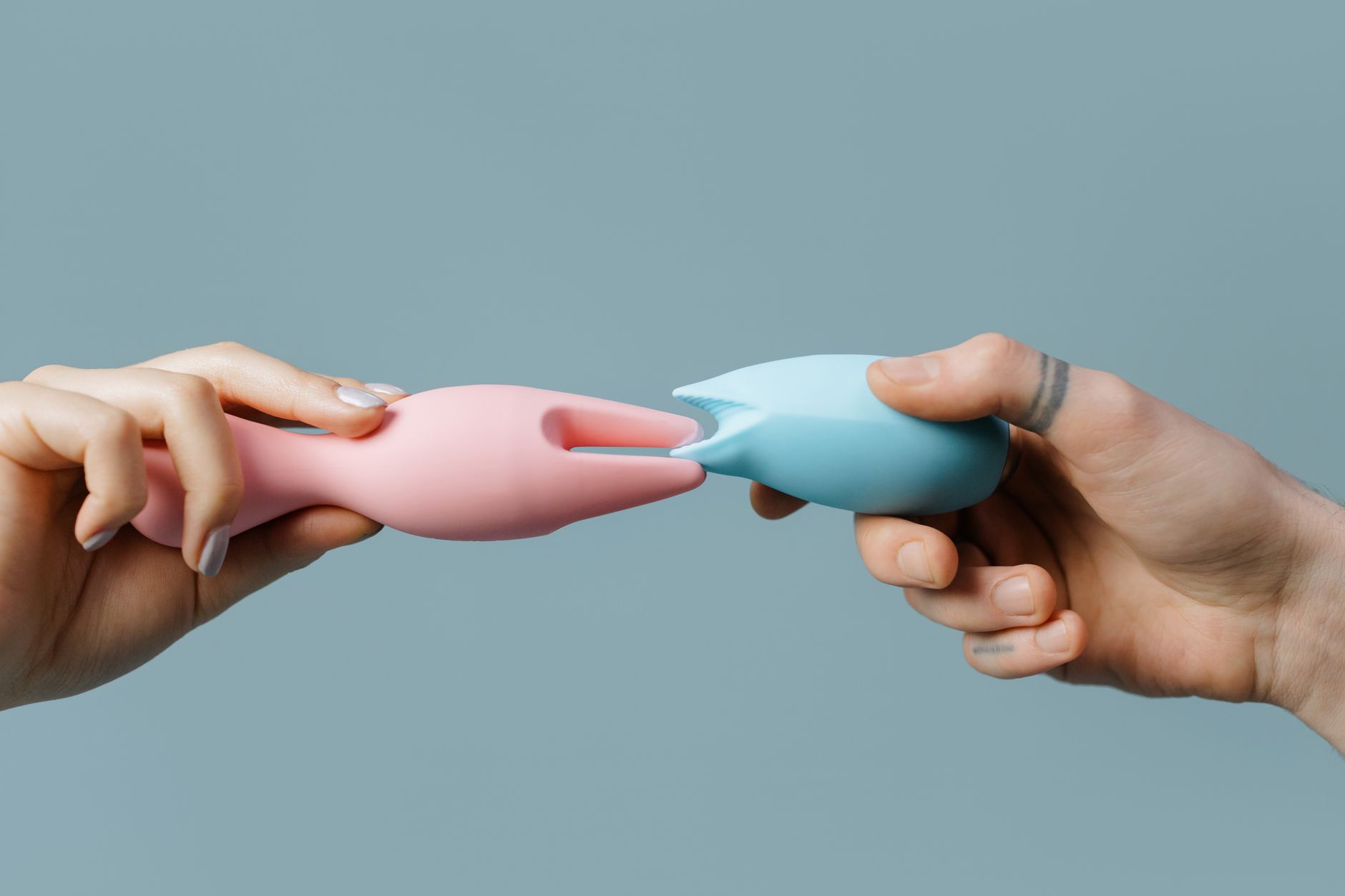
Lemon clitoral vibrators work particularly well for postpartum reconnection because they offer consistent, controllable stimulation without requiring you to guess what your body wants.
Traditional vibrators demand firm pressure and often come in one standard intensity. Your postpartum clitoris may not tolerate firm pressure yet. Air-suction vibrators like the Lemon work differently. They use gentle oscillating suction rather than direct vibration, which means you can start extremely gently and build intensity gradually. Many people find that the suction pattern helps rebuild sensation that feels deadened.
The key is starting low. This is not the time to prove anything to yourself. Use setting 1 or 2. Spend 15 to 20 minutes just exploring. You're not chasing an orgasm. You're reacquainting yourself with what pleasure feels like in your postpartum body.
Practical steps for your first session
Wait for the right moment. If you're exclusively breastfeeding and struggling with touch aversion, pushing yourself into solo pleasure often backfires. Wait for a day when you feel less touched-out. That might be weeks in. That's fine.
Start with water-based lubricant. Pregnancy and postpartum hormones can make lubrication unpredictable. Water-based lube isn't because something is wrong. It's because your tissues are rebalancing. Use it generously.
Set a timer for 20 minutes, not outcome. Orgasm is not the goal here. Sensation is. If you climax, great. If you don't, you still succeeded. You reconnected.
Expect it to feel weird at first. Your brain is learning new sensation pathways. The first few sessions might feel neutral or even slightly uncomfortable. That usually shifts by session three or four as your nervous system adjusts. If pain develops rather than fading, talk to your OB or a pelvic floor specialist.
Notice what intensity level actually feels good. Many postpartum people discover they need lower intensity than they expected. Some find that suction feels better than vibration. Some need longer warm-up. These aren't regressions. They're new information about your postpartum body.
When to involve a partner (or why not to yet)
If you have a partner, the instinct to "get back to normal" intimacy is real. But partnered sex before you've reconnected with solo pleasure often creates pressure instead of pleasure. You're essentially asking your partner to navigate an unfamiliar landscape with you while you're still holding a map from two years ago.
Honestly, solo exploration first makes partnered sex easier later. You learn what your postpartum body responds to. You build confidence. Then when you invite a partner back in, you have actual information to share instead of just performance anxiety.
If you do want to involve a partner before you've fully reconnected, communicate explicitly: "I'm relearning my body. This might feel different for both of us. I need you to slow down and follow my lead." That conversation prevents a lot of disappointment.
The timeline for "normal" feeling
Most people report that clitoral sensation starts normalizing around three to four months postpartum. By six months, sensitivity usually returns closer to baseline. If you're breastfeeding, it might take longer (sensation often doesn't fully return until weaning or until breastfeeding becomes less frequent).
That said, "normal" is a useless word here. Your postpartum clitoris might never feel identical to your pre-pregnancy clitoris. And that's actually fine. Some people find their sensation actually improves after birth. Tissues remodel. Nerve endings remap. Different isn't worse.
When to get professional help
If pain during touch persists beyond six weeks postpartum, see your OB. If numbness doesn't improve by four months, a pelvic floor physical therapist can help. If you're struggling emotionally with the loss of sensation (which is legitimate grief), a therapist who understands postpartum mental health is worth the investment.
Postpartum sexual recovery isn't a race. You have time. Your clitoris isn't going anywhere. Neither is pleasure.
FAQ: Your postpartum clitoris questions
Can my clitoris permanently change after pregnancy?
Your clitoris tissue may be slightly different than pre-pregnancy, yes. Pregnancy can cause subtle permanent shifts in size or sensitivity for some people. For others, sensation returns completely to baseline. There's no predicting which you'll experience. But different doesn't mean broken. Most people find their postpartum sexual life is richer, not diminished.
Why does my clitoris feel numb even though I had a cesarean birth?
Cesarean section doesn't involve vaginal trauma, but it's still major surgery. Your nervous system is processing surgical recovery. Plus, if you're breastfeeding, prolactin is still dampening arousal. Numbness usually fades as hormones rebalance and you move further from surgery. Three to six months is typical.
Is it safe to use a lemon vibrator while breastfeeding?
Completely safe. Solo pleasure doesn't affect milk supply or composition. The only reason you might wait is emotional: if you feel too touched out or exhausted to add something else to your plate. But physiologically, vibrators and breastfeeding coexist with no problem.
How long does postpartum sexual recovery usually take?
Six weeks is the medical clearance for penetration. Clitoral sensation recovery takes longer for most people. Three to six months is typical for things to feel noticeably better. Some people feel ready for partnered sex sooner. Others need longer. There's no "should" here.
What if my partner had a baby and now sex feels different for both of us?
Change is inevitable. Your partner's body transformed too, even if it's less visible. Communication is the only tool that actually works. Say things like "Your clitoris might feel different to you now, and that's okay. I want to explore this together without pressure." Then actually listen to what your partner discovers.
Can I use a lemon clitoral vibrator during the bleeding phase right after birth?
Wait until postpartum bleeding has mostly stopped (usually two to three weeks), not for safety reasons but for comfort. Your cervix is healing. The tissue is raw. Stimulation feels uncomfortable. Once bleeding tapers to spotting and you feel physically ready, lemon vibrators are completely safe to use.
The real truth
Your body made a human. It shifted in ways both visible and invisible. Your clitoris didn't disappear. It's waiting for you to find it again. A lemon vibrator is just a patient tool that helps you do that without judgment, without pressure, on your own timeline. That's all it needs to be.