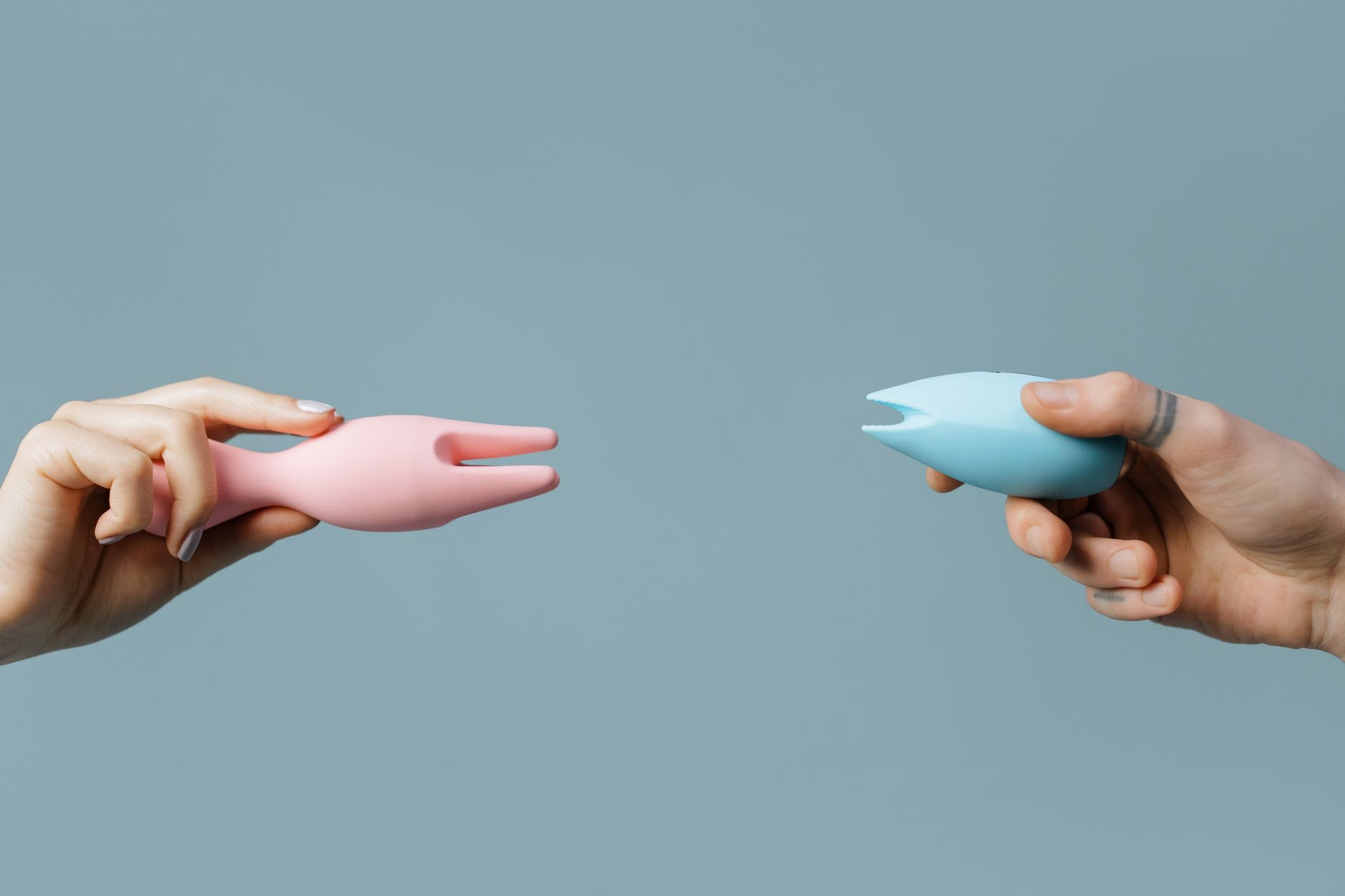
Let's start with the honest part
Your pelvic floor is working harder than you think. Whether you're recovering from childbirth, surgery, chronic tension, or pelvic pain, the journey of rehabilitation can feel isolating. Here's what nobody tells you clearly: rebuilding your pelvic floor doesn't mean putting your sex life on pause. In fact, the right approach to pleasure during recovery can actually support your healing, not undermine it.
The trick is knowing the difference between exercises that strengthen and sensations that destabilize.
Why pelvic floor rehabilitation changes what you can do
Your pelvic floor muscles are skeletal muscles, like your biceps. They need rest days, progressive challenge, and proper technique. During rehab, you're teaching these muscles how to contract with control, relax completely, and coordinate with your breath and body. This takes focus.
Here's what vibration does: it stimulates the area, increases blood flow, and can trigger reflexive contractions. That's exactly what you want during strengthening work. It's what you don't want during a recovery week when your muscles are fatigued.
The key distinction: are you using the vibrator as part of your rehab protocol, or are you using it for pure pleasure while your body is in recovery mode? Both are valid. You just need to know which one you're doing, and when.
The safe timing framework
If you're working with a pelvic floor physical therapist (which you should be), check in with them about where you are in your recovery arc. Most rehab programs follow a rough timeline:
Weeks 1-4 (acute phase). Minimum vibrator use. Your muscles need rest and gentle engagement. If you're using lemon vibrators at all, stick to external use only, very low stimulation, and brief sessions. Think of this as foundation work.
Weeks 5-8 (early strengthening). You can introduce vibration as part of your routine, but not as a high-intensity activity. Shorter sessions, lower settings, and always paired with breathing work. This is when you're learning control, not chasing sensation.
Weeks 9-12 (active strengthening). Now clitoral vibrators become genuinely useful. You have the endurance to enjoy stimulation while maintaining pelvic floor engagement. This is when tools like the Lemon become part of pleasure rather than an interruption.
Beyond 12 weeks. If you're cleared by your therapist, vibration returns to normal part of your toolkit. You've rebuilt baseline function.
These timelines shift depending on your specific injury or condition. Don't treat this as gospel. Talk to your provider.
What happens during stimulation and how to stay safe
When you use a clitoral vibrator during pelvic floor rehab, several things happen at once. The vibration increases blood flow and sensory input. Your nervous system responds. Your pelvic floor muscles may reflexively contract. This is fine, provided you're not forcing intensity or duration.
The danger zone appears when you push for orgasm before you've rebuilt baseline control. Orgasm is an intense muscular event. If your pelvic floor isn't ready, it can trigger cramping, pain afterward, or actually set back your progress. It sounds dramatic. It's true.
Here's how to stay safe while using lemon vibrators during rehab:
Warm up first. Spend five minutes on your pelvic floor exercises before introducing any vibrator. Engagement primes the muscles for what's coming.
Start at the lowest setting. Your Lemon vibrator has multiple intensity levels. Begin at pattern one. This gives your nervous system time to register sensation without overwhelming it.
Keep sessions short. Fifteen minutes maximum during early phases. Your goal isn't a long journey. It's practicing control over brief stimulus.
Breathe constantly. This is the single biggest mistake people make. They hold their breath, their pelvic floor tenses, and suddenly they're reinforcing the very tension they're trying to release. Breathe as you would during any exercise.
Notice whether you're contracting or relaxing. As you use the vibrator, pay attention to what your pelvic floor is doing. Are you squeezing? That's a contraction. Is it soft and open? That's relaxation. You need both skills.
Avoid orgasm in early phases. Once you're further into rehab and your therapist clears you, you can work toward orgasm. But in the first 8 weeks, the goal is sensation without climax. That's different.
The external-only strategy during early rehab
Lemon vibrators and other clitoral vibrators are designed for external stimulation. This is actually an advantage during pelvic floor recovery because external sensation doesn't require internal penetration or deep muscular involvement.
Use the vibrator on the external clitoral area only. Don't insert anything. Don't penetrate. Keep stimulation on the surface, where sensation can happen without forcing your healing tissues to do extra work.
This single shift opens up pleasure during recovery without sabotaging your progress. You get to stay connected to your body, explore sensation, and practice what arousal feels like as you're rebuilding.
When to pause completely
Some recovery milestones require full pause. If you experience pain during or after vibrator use, stop immediately and mention it to your therapist. Pain isn't a sign you're weak. It's data that something needs adjustment.
Also pause if you're in a flare-up. Pelvic floor rehab isn't linear. Some weeks are harder than others. If your muscles are tense, crampy, or irritated, vibration will amplify that. Let things settle for a few days, then resume.
And pause if you're using the vibrator as a way to avoid doing actual physical therapy work. I see this sometimes. Someone gets a lemon vibrator, experiences pleasure, and thinks the pleasure is doing the work. It's not. The therapy work is doing the work. The vibrator is a tool within the process, not a substitute for it.
Pairing vibration with breath and control work
Here's where the magic lives: using vibration mindfully during your recovery actually strengthens your pelvic floor faster than avoiding pleasure entirely.
When you use a clitoral vibrator and practice your breathing and contraction patterns simultaneously, you're teaching your nervous system how to manage arousal, control muscles, and stay present. This is exactly the skill pelvic floor rehab is building.
Try this: use your vibrator for two minutes while practicing your engagement exercises (contract for three counts, release for three counts, breathe throughout). Then rest. This teaches your pelvic floor to contract and release under stimulus, which is real-world functional strength.
Common concerns and answers
Will vibration damage my healing tissues? No, if used correctly and with your therapist's approval. External clitoral vibration is gentle. It's not mechanical force. It's stimulus.
Can I use my lemon vibrator while doing Kegels? Yes, but not during the early phase. Once you're past week eight, using vibration while you contract your pelvic floor floor can deepen your sense of engagement. Start slow.
Does vibration interfere with physical therapy? Only if it's replacing actual therapy work. Vibration is supplemental. Your exercises are primary.
What if orgasm happens during rehab? It happens. Don't panic. If it's before week eight and it happens accidentally, just notice it without judgment and move on. If you're forcing it, that's the problem to address with your therapist.
Bringing pleasure back is part of healing
One of the most overlooked parts of pelvic floor recovery is the emotional weight of being told you can't do something. You feel broken. Your body feels like a liability. Pleasure feels forbidden.
It's not. Your pelvic floor is being rebuilt because it matters. It supports your body, your stability, your sensation. Reconnecting with gentle pleasure during that process isn't frivolous. It's part of remembering that your body is capable of good things again.
Use your lemon vibrator thoughtfully during rehab. Check in with your therapist. Respect the timeline. And trust that on the other side of recovery is a version of your sexuality that feels present, controlled, and deeply yours.
People also ask
Can I use a clitoral vibrator if I have pelvic floor dysfunction?
Yes, but timing matters. In the acute phase of pelvic floor dysfunction, stick to gentle external stimulation at low intensities for short durations. As you progress through therapy and gain control, vibrators become a normal part of your toolkit. Your pelvic floor physical therapist can tell you when you're ready to introduce or increase vibrator use. The key is matching intensity to your current phase of healing.
Does a lemon vibrator help strengthen your pelvic floor muscles?
Not directly. Your pelvic floor gets stronger through targeted exercises like Kegels, reverse Kegels, and functional movements taught by a physical therapist. What a lemon vibrator does is increase blood flow and sensation to the area, which supports recovery. When used during your exercises, vibration can help you feel your muscles contracting, which deepens your awareness and engagement. But the vibrator is a tool that enhances your existing work, not a replacement for it.
What's the difference between a lemon sucker and a regular vibrator for pelvic floor health?
Lemon clitoral vibrators like the ones from Nancy Lemon use rhythmic vibration to stimulate. A suction toy or pulsating device uses air-pulse technology to create a gentler, often less intense sensation. Both can be safe during pelvic floor recovery if used correctly. Suction toys sometimes feel less intense for people with sensitive pelvic floors, but this varies by person. Start with your lower-intensity lemon vibrator option and adjust based on how your body responds.
How long after pelvic floor surgery can I use vibrators?
This depends entirely on the type of surgery and your surgeon's guidance. Some surgical repairs need 4-6 weeks of complete rest. Others clear you for external stimulation sooner. Don't guess. Ask your surgeon specifically about vibrator use before trying anything. Once cleared by your provider and working with a pelvic floor PT, you can gradually reintroduce lemon vibrators as part of your recovery plan.
Can vibration worsen pelvic floor tension?
If you use high-intensity settings or prolonged sessions too early in recovery, yes, it can aggravate tension. This is why starting low and short is essential. If you notice cramping, pain, or increased tension after using a vibrator, reduce the intensity and duration next time, and check in with your therapist. Vibration should feel supportive, not forceful.
Is it normal to feel pain during or after using a clitoral vibrator during pelvic floor rehab?
No. Pain is a signal that something isn't right. It could be too much intensity, too long a session, or your body signaling that it's not ready yet. Stop immediately, rest, and report this to your pelvic floor physical therapist. They can help you adjust your approach. Pleasure during recovery should feel good, not painful.
Final thought
Recovering your pelvic floor is hard work. Your body is relearning control, strength, and stability. Pleasure isn't a distraction from that process. It's a sign that your nervous system is healing, your body is becoming present again, and you're reclaiming what makes you feel whole. Use your lemon vibrator thoughtfully, follow your therapist's timeline, and trust that sensation and healing can absolutely coexist.