The honest thing nobody talks about
Your clitoris needs recovery time. Not because you're doing anything wrong. Because you're doing it right. And that's actually good news.
Here's what I see in my practice. People come in convinced they're broken because they can't have back-to-back orgasms the way they used to, or the way they think they should. They think something's changed. Something's weakened. The truth is more interesting. Your body is asking for something smarter.
What actually happens in your clitoris during and after orgasm
When you reach orgasm, your clitoris goes through a phase called the refractory period. This is real physiology, not psychology. Your nerve endings temporarily lose sensitivity. Blood flow normalizes. The tissues need to recalibrate. For some people this takes five minutes. For others it takes an hour or more.
This isn't a flaw. It's a protection mechanism. Your body is saying: slow down, recover, then we can do this again properly.
But here's where most people get stuck. They either push through the refractory period and numb themselves further. Or they give up entirely, thinking the pleasure is gone. Neither is true.
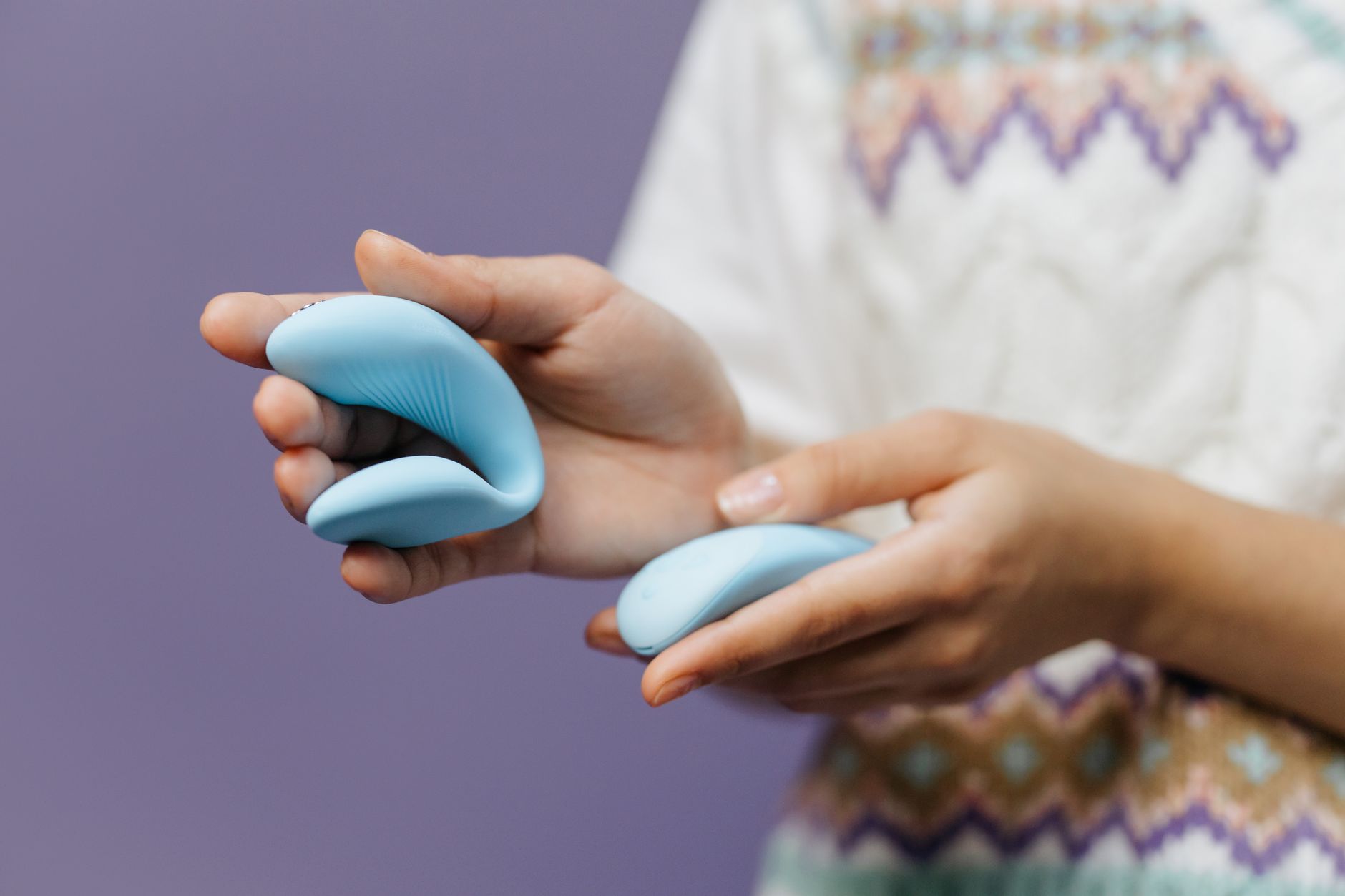
Lemon vibrators, especially the Lem's suction design, work beautifully during this recovery phase because they're not about forcing sensation back. They're about timing and gentleness.
Understanding your recovery window
Your refractory period is personal. Track it for a week and you'll see the pattern. Some days it's 15 minutes. Other days 45. That variation is normal. Stress, sleep, hydration, menstrual cycle, medications. everything shifts it.
The mistake people make is treating every session the same. You wouldn't run a 5K every day and expect identical times. Your clitoris deserves the same logic.
Start paying attention to what actually happens in your body. After an orgasm, your clitoris might feel tender. Oversensitive. Honestly numb. Write it down. Are you tired? Did you have three coffees? When was your last orgasm?
This data turns recovery time from frustrating to tactical.
The strategic pause that changes everything
Instead of fighting the refractory period, work with it. Here's what I recommend.
After your first orgasm, step away for at least 20 minutes. No toy in hand. Do something completely unrelated. Read. Listen to a podcast. Get water. Seriously. Your nervous system needs to reset, not just your clitoris.
During this pause, your blood sugar stabilizes. Your heart rate drops. The sensations you're chasing actually become possible again. This isn't wasted time. It's preparation.
When you come back, your clitoris will respond differently. Not weaker. Different. You might notice the sensation is sharper now. Or deeper. Or you need less intensity to feel it. This is your body telling you it's ready, and it's giving you new information.
How lemon vibrators fit into recovery timing
The Lem's suction mechanism is forgiving during recovery phases. Traditional vibrators work by direct stimulation. They're asking your clitoris to respond to a specific frequency whether your body is ready or not. Suction is different. It draws sensation rather than imposing it. This matters hugely for recovery.
When you return to your toy after a pause, start at the Lem's lowest setting. Pattern 1 or 2. Let your body tell you if it wants more. Most people jump back to their previous intensity and then wonder why nothing feels good. Of course it doesn't. Your clitoris is still regrouping.
The beauty of having a quality clitoral vibrator is that you can use it strategically across sessions instead of chasing one perfect orgasm.
Building a multi-session plan that actually works
Here's a real example from my practice. A woman was frustrated because after one orgasm, she was done. She thought she was losing capacity. We restructured her entire approach.
Session day became: first orgasm with the Lem at full intensity. 30 minute break with tea and a book. Second session at pattern 3. 45 minute break. Third session at pattern 2. The third orgasm often felt the most textured because she was approaching it rested, not exhausted.
She went from feeling broken to having three distinct, different orgasms in an afternoon instead of chasing one perfect one.
This matters for partnered situations too. If your partner wants to be involved, they can help during recovery phases. Kissing. Touch. Attention that isn't directly clitoral. When you return to the Lem together, your clitoris is primed and you both get more pleasure, not less.
When recovery time is telling you something bigger
If your recovery period suddenly stretches from 20 minutes to two hours, or if sensation disappears entirely, pay attention. This can signal stress, hormonal shifts, or medication changes. It's not always a toy issue or a performance issue.
I also see this in people on SSRIs or other medications that affect sensation. Recovery time can get longer. Your clitoris isn't broken. Your chemistry shifted. A conversation with your doctor might help. Sometimes a small adjustment to timing or dosage changes everything.
If you've experienced clitoral injury or pain in the past, recovery time might be longer too. That's your body protecting itself. Honor that. Work with it. Lemon vibrators are gentler than many alternatives, but even gentleness needs the right timing.
The permission piece
Here's what I really want you to hear. Your body wanting recovery time isn't a limitation. It's information. It's your clitoris saying: I'm capable of this. And I need respect to do it well.
Most of us were never taught to listen to that. We were taught that good sex is spontaneous, intense, and efficient. We built shame around bodies that need pacing. That need breaks. That need to honor their own timing.
Using lemon vibrators intentionally across a recovery window is an act of respect for your own nervous system. It's saying: my pleasure matters enough to structure it properly. That's powerful.
People also ask
How do I know when my clitoris is actually ready for another session?
Your body will tell you clearly. Sensation returns first as a gentle awareness. You'll notice you want touch again. Your clitoris might feel plump and ready rather than tender. Don't rely on time alone. Trust the physical signals. When in doubt, wait another 10 minutes.
Can I use lemon vibrators multiple times in one day if I space them out?
Absolutely. Spacing is everything. Some people have five sessions in a day across different recovery windows. Others have one perfect session and that's their entire day. Both are right. The key is consistency and listening to when your clitoris actually wants stimulation, not pushing through numbness.
Does recovery time mean I'm losing sensitivity over time?
No. Recovery time is actually protective against numbness. People who ignore refractory periods often develop numbness because they're overstimulating without rest. Taking recovery seriously helps maintain long-term sensitivity. You're not losing capacity. You're learning to use it better.
What if my recovery time is much longer than my partner's?
Totally normal. Clitoral recovery varies wildly between people. If you're partnered and want synchronized sessions, you might focus on extended foreplay during their recovery phase, then come together when you're both ready. Or you explore different types of stimulation during recovery. The goal isn't matching timelines. It's creating pleasure that works for both of you.
Can lemon vibrators help if I have ADHD or anxiety that affects my recovery time?
They can help as a consistent tool. What often helps more is external structure. Set a timer for your recovery period. Give your brain permission to do something completely different. For ADHD in particular, having a specific recovery ritual (same book, same tea, same place) helps your nervous system settle faster. The Lem's simplicity actually supports this better than complicated toys.
Should I use the same intensity level during recovery sessions or change it?
Change it. Your body is in a different state during recovery. Sensitivity shifts. Many people find lower intensities feel more interesting after recovery because sensation is fresher. Experiment. You might discover that what felt too gentle at full arousal feels perfect during recovery. This variation is part of the pleasure.
The bottom line
Your clitoris isn't lazy. It's communicating. Recovery time between sessions isn't a failure. It's your body asking you to slow down and pay attention.
When you use lemon vibrators with intention across multiple sessions and real recovery windows, you're not getting less pleasure. You're getting different pleasure. Deeper. More textured. More sustainable.
Honor that. Your body knows what it's doing.
Want to explore how to integrate pleasure practices into your relationship during transitions? Reach out and we can talk about what's working and what's not.