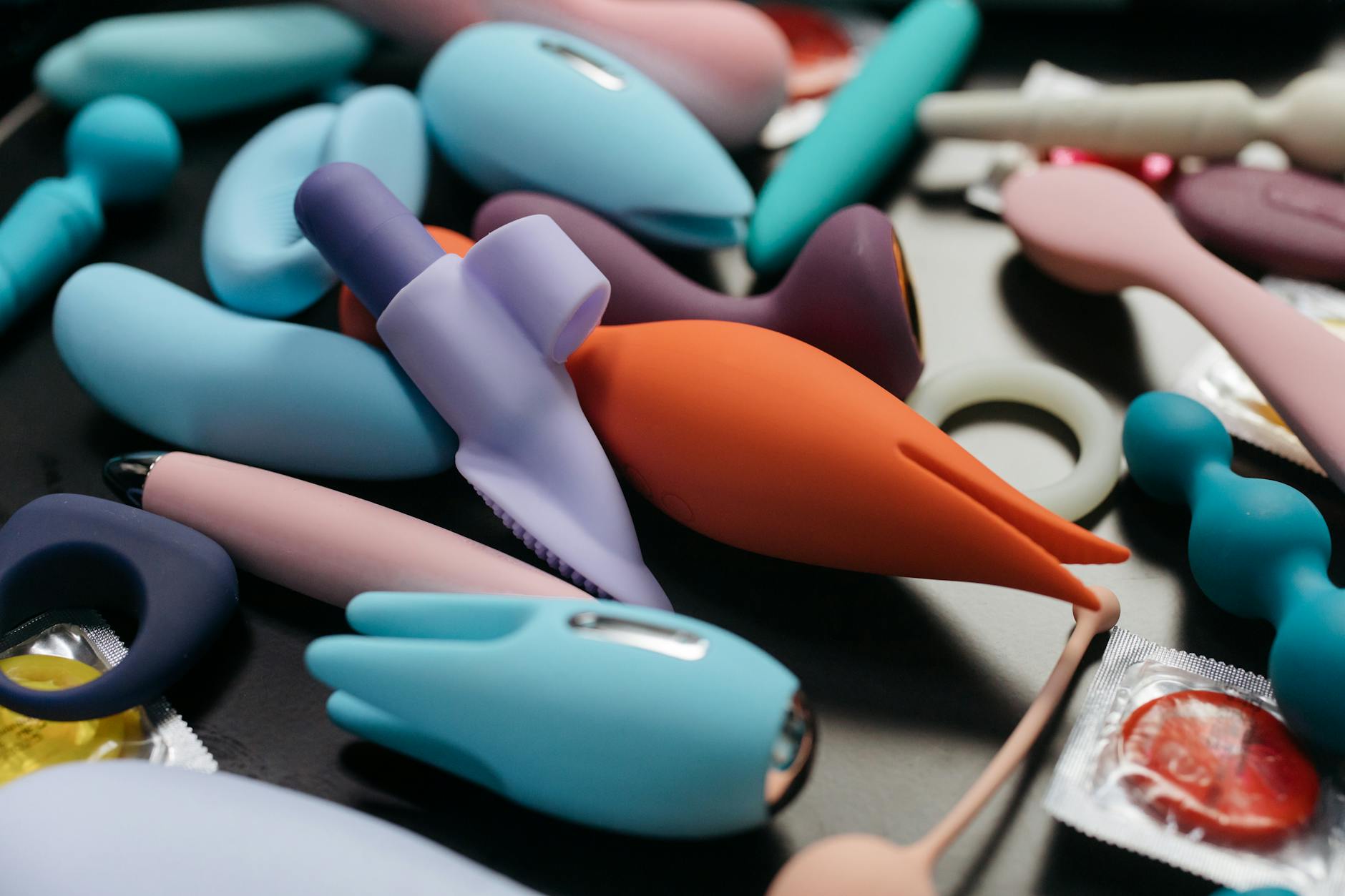
Here's the frustrating part about tension and climax
You're doing everything right. You have time, you have desire, you have a toy. And yet your body locks up the moment things start to feel good. It's like your nervous system flips a switch from "go" to "abort" the instant you're close to finishing. This isn't broken. This is your sympathetic nervous system winning the fight over your parasympathetic one.
Tension is the pleasure killer, and it's not something you can force away by trying harder.
Why your nervous system is sabotaging you
Your body has two competing systems running at the same time. Your parasympathetic nervous system says "relax, we're safe, let's feel this." Your sympathetic system says "watch out, there might be danger, stay alert." Orgasm requires parasympathetic dominance. The moment your mind registers anything as a threat, the sympathetic system takes over and everything shuts down.
For some people, the threat is obvious: a partner pushing for a climax, noise from outside, anxiety about taking too long. For others, it's sneakier. A past experience where pleasure went wrong. A belief that you're "supposed" to come by now. Self-consciousness about sounds or movement. Even perfectionism about the orgasm itself can do it.
The result is always the same. Muscles tighten. Breathing gets shallow. Arousal plateaus. You feel close and then farther away. It's maddening.
Why lemon vibrators work differently when tension is in the way
Most vibrators create tension because they require active participation. You have to manage the angle, control the pressure, stay engaged enough to watch what's happening. That engagement keeps your brain in the room instead of letting it drift into pure sensation.
Lemon clitoral vibrators, especially the suction-based design, work around that problem. They create a seal that does the stimulation for you. Once positioned, there's no pressure to maintain technique or worry about what you're doing wrong. The sensation is consistent, rhythmic, and doesn't require any thinking.
That shift from active control to passive sensation is huge for nervous system regulation. Your body gets permission to stop managing and start receiving.
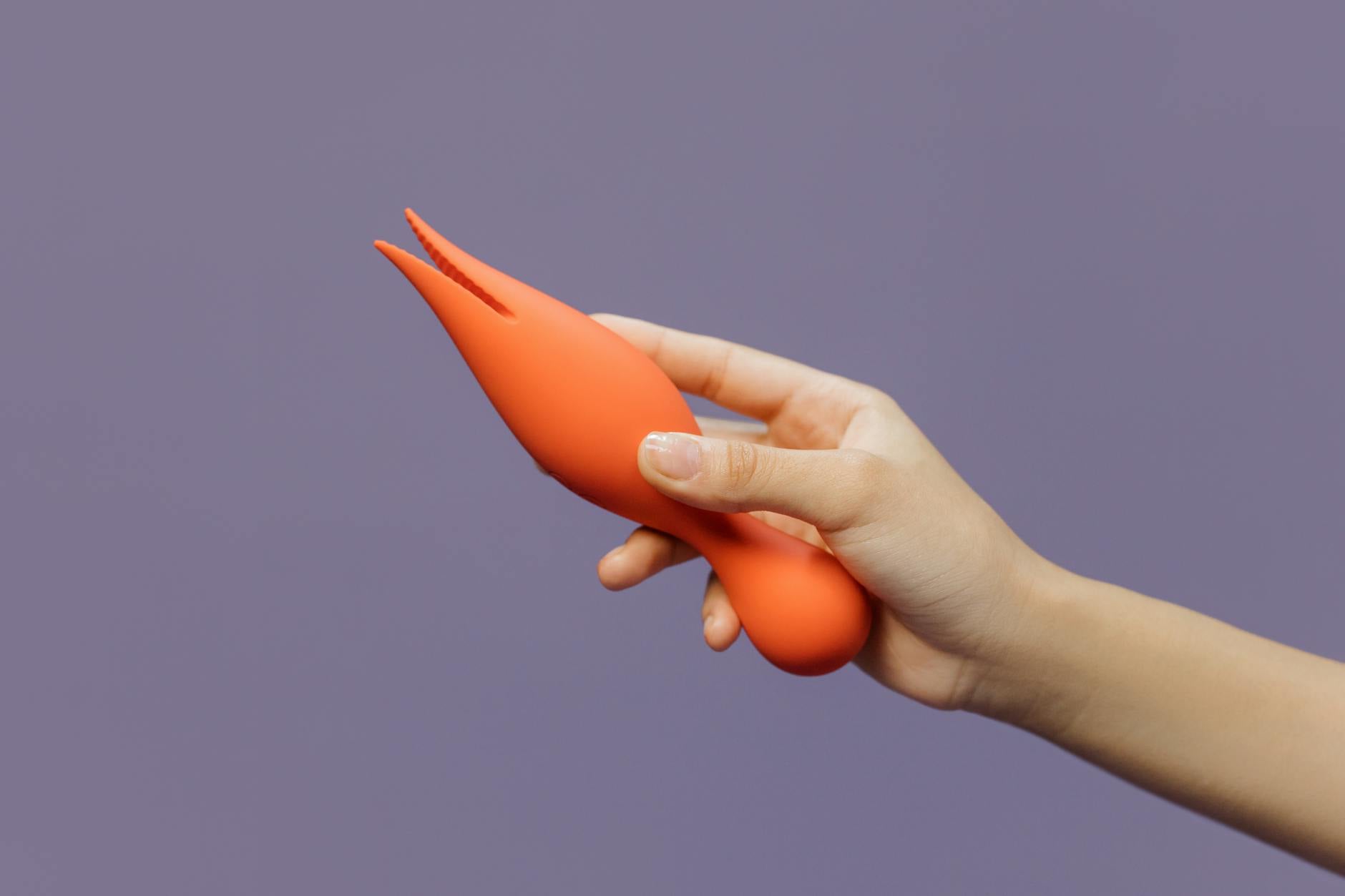
Photo by cottonbro studio on Pexels
The setup that actually lets you relax
If you want to use lemon vibrators to bypass tension, the environment matters more than the toy itself.
First, eliminate the timer. Set a window (30 minutes is reasonable), then forget about it. Checking the clock is a direct signal to your sympathetic nervous system that you're running out of time. That kills relaxation faster than almost anything.
Second, get horizontal before you start. Lying down is the parasympathetic position. Standing or sitting upright keeps your body in a slightly defensive posture. If you can lie on your back or side with pillows supporting you, your nervous system registers safety differently.
Third, do nothing else. No phone, no half-watching TV, no waiting for a partner to come home. Your attention can't be split. Divided attention sends mixed signals to your nervous system. It reads as "maybe we should be ready to switch activities." Commit 100% or don't commit at all.
Fourth, breathe before you touch the toy. Spend 2-3 minutes taking slow, deep breaths. In for 4 counts, out for 6. This activates your parasympathetic system directly. Your body will already be in a calmer state before stimulation begins.
How to use the lemon clitoral vibrator for relaxation rather than performance
Start at a lower intensity setting. This sounds counterintuitive when tension is the problem, but here's why it works. If you jump to high intensity, your body interprets that as urgency. Urgency triggers the sympathetic system. Lower intensity feels gentler, safer, less like you need to "achieve" something.
Use the lemon vibrator's suction pattern rather than switching between settings. Consistency is calming. Novelty or variation keeps your nervous system alert. Let one pattern build pleasure slowly instead of searching for the "right" setting.
The seal should be comfortable, not tight. If you're clenching to keep the seal in place, you're creating the exact tension you're trying to release. Adjust your position until the toy rests naturally without effort.
Give yourself permission to stop whenever. The moment you think "I should be close by now" or "why isn't this working," you've handed control back to your critical brain. Instead, practice saying "this feels good and I don't know what happens next, and that's fine." That sentence alone shifts you from performance pressure to sensation.
The partner dynamic when tension is in the way
If you have a partner, tension often includes performance anxiety around them. That's worth naming directly. A partner's presence, even well-intentioned, can feel like an audience. Your nervous system senses evaluation happening, which keeps you defended.
Consider exploring this alone first. Once you know what relaxation feels like, what breathing pattern works, what intensity setting your body trusts, you have a template. Then introduce your partner into that same setup gradually. Maybe they're in the room but reading. Maybe they're giving you a back massage while you use the lemon vibrator. Maybe they use one too, on themselves. Whatever reduces the "I'm being watched" feeling.
Anxiety about someone else's pleasure is also a trap. If your partner is waiting for you to finish, or if the goal is mutual stimulation, your nervous system knows it's on the clock. That pressure is sympathetic activation in disguise. Separate pleasure from performance. Your orgasm belongs to you, not to anyone else's timeline.
When to investigate deeper nervous system patterns
If tension around arousal is tied to past experiences, trauma, or deep anxiety, a toy alone won't fix it. That's not a failure of lemon vibrators or any tool. That's a sign your nervous system needs professional support to feel safe enough to relax. A trauma-informed therapist or sex therapist can help you work through what your body learned from past experiences and rewire that response.
For many people, lemon clitoral vibrators are genuinely the missing piece. The consistency, the passive design, the elimination of technique pressure. They remove just enough friction that your nervous system can finally settle. But if relaxation stays impossible even with that setup, therapy is the next intelligent move.
The truth about pleasure and letting go
Orgasm isn't something you achieve through force. It's something your body does when conditions are right. Tension is the opposite of those conditions. Lemon vibrators help by removing as many reasons to stay tense as possible. A tool that works without your active management. A position that registers as safe. An environment with no external threats.
Then you breathe, you settle, and you let your parasympathetic nervous system do what it evolved to do. Sometimes it takes two minutes. Sometimes 20. The timeline doesn't matter. What matters is that for the first time, your body has permission to stop defending itself and start receiving pleasure.
People also ask
Can tension about orgasm actually prevent climax?
Yes, absolutely. When you're worried about whether you'll come, your sympathetic nervous system activates. That's the "fight or flight" response, and it directly opposes the relaxation orgasm requires. The anxiety itself creates the very problem you're trying to avoid. This is why performance pressure is so destructive. The solution is shifting away from outcome-focused pleasure toward sensation-focused exploration.
Why do lemon vibrators help more than other toys when I'm tense?
Lemon clitoral vibrators, especially suction-based ones like the Lem, work because they require minimal active participation once positioned. You don't have to manage pressure, angle, or technique. The seal does the work for you, which frees your nervous system from the task of "doing it right." That permission to be passive is huge when tension is the core problem.
How long should I try this before it works?
That varies. Some people feel the difference in one session. Others need three or four sessions to trust that relaxation is possible. Your nervous system learns slowly. Consistency matters more than duration. If you're using the lemon vibrator with the right setup regularly, your body gradually learns that this context is safe and worthy of parasympathetic activation.
Is it normal to feel more tension when a partner is present?
Completely normal. A partner's presence adds evaluation or expectation, even unspoken. Your nervous system senses the shift from private exploration to shared activity, and it responds by going defensive. This doesn't mean your relationship is broken or that you don't desire your partner. It means your body needs a certain privacy to release fully. That's information, not a problem to fix immediately. You can work toward comfort with a partner over time.
What if I'm relaxed but still not orgasming?
Tension might not be your only barrier. Some people need different types of stimulation, specific rhythms, or longer warm-up periods. Others need to address beliefs about their own pleasure or past experiences that trained their body not to respond. If relaxation is handled but orgasm still doesn't arrive, a sex therapist can help you investigate what else your nervous system is protecting you from.
Can I use lemon vibrators to train my nervous system for better relaxation overall?
Yes, in a way. Regular practice with conscious relaxation during pleasure can help your nervous system learn that certain contexts are safe. Over time, you might find it easier to access that calm state in other intimate moments too. But this happens gradually, and the goal should always be pleasure itself, not using pleasure as a "fix" for anxiety. The relaxation follows naturally when you remove pressure and focus on sensation.
The bottom line
Tension wins when you're fighting against your own nervous system. Lemon clitoral vibrators don't fix tension directly, but they remove enough obstacles that your parasympathetic system finally gets space to work. Combined with an environment that feels safe, a body position that feels open, and permission to stop trying, you create conditions where relaxation becomes possible. Your body already knows how to come. It's just been waiting for you to stop fighting long enough to let it.