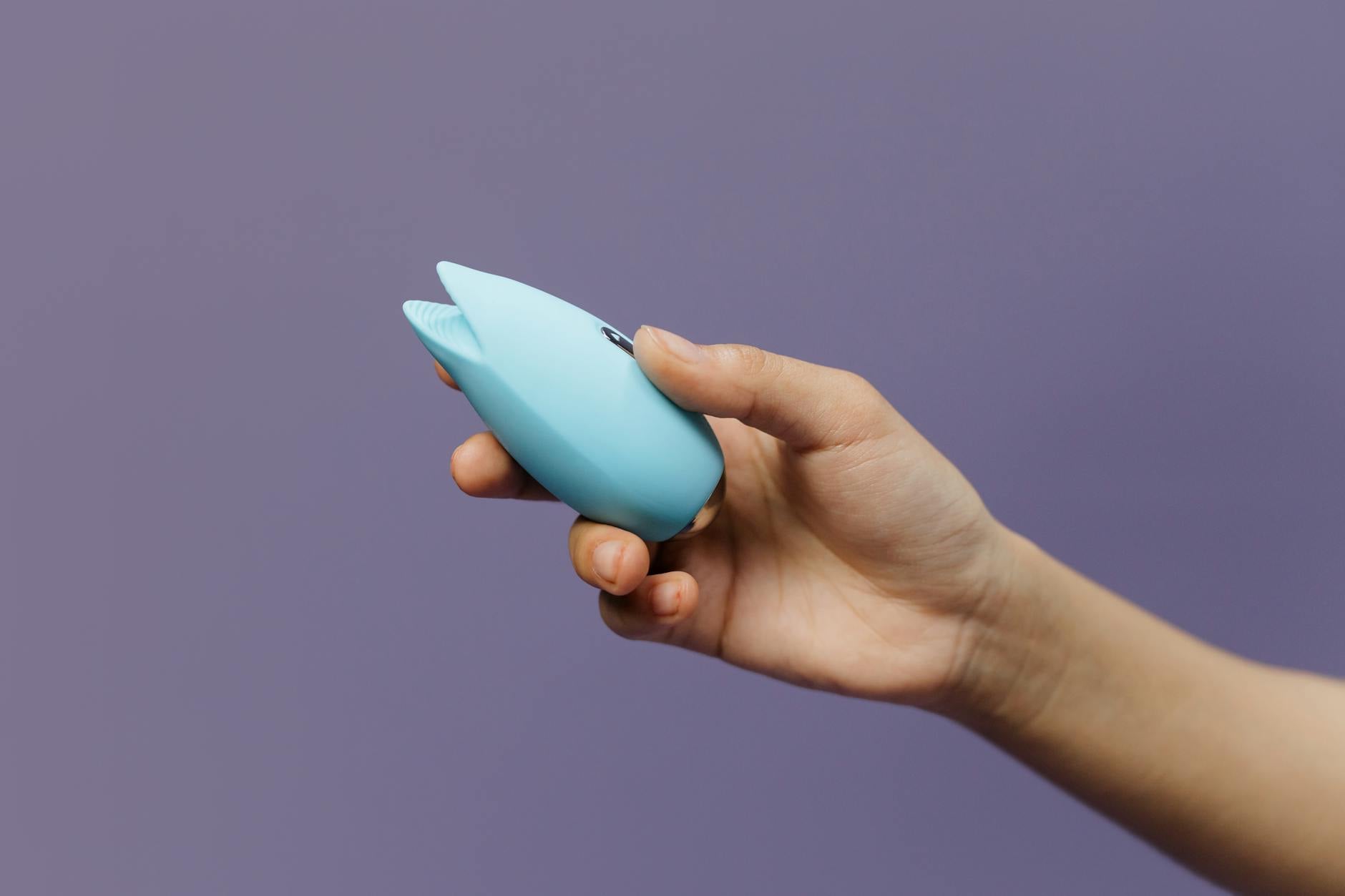
Here's what nobody tells you about tissue sensitivity
Your body changes. Not just emotionally, not just hormonally, but physically in ways that shift what feels good. And the first time you notice that a toy that worked beautifully for years suddenly feels uncomfortable, the knee-jerk reaction is shame or confusion. Neither is warranted.
Hormonal fluctuations, whether from birth control, perimenopause, menopause, or pregnancy, alter tissue thickness, blood flow, and nerve sensitivity. That's not a problem. It's useful information about what might work better now.
What happens to tissue during hormonal changes
Estrogen is the MVP when it comes to genital tissue health. It keeps the vulva and vaginal canal thick, elastic, and well-lubricated. When estrogen drops, even temporarily, that tissue becomes thinner and more delicate. The clitoral tissue is especially reactive to hormonal shifts because it's packed with estrogen receptors.
Here's the part most people miss: thinner tissue isn't weaker tissue. It's just more sensitive. And sensitive tissue responds better to certain types of stimulation.
Friction-based toys (traditional wands, rabbit vibrators, or straight clitoral vibrators) work by creating mechanical pressure and movement directly against tissue. For thick, well-lubricated tissue, that's phenomenal. For delicate tissue, it can feel sharp, overwhelming, or outright painful. Not because you're broken, but because the mechanism doesn't match your current tissue state.
This is where suction technology enters the conversation. Lemon clitoral vibrators and similar suction toys work differently. They use gentle pressure waves to stimulate without the same friction. For anyone navigating hormonal shifts, this distinction is the difference between pleasure and pain.
Photo by Ihsan Adityawarman on Pexels
Why suction-based lemon vibrators feel better
A lemon clitoral vibrator or lemon sucker uses air-pulse technology to create rhythmic suction patterns. Instead of vibrating back and forth against tissue, they gently draw the clitoris into a soft chamber where pressure waves simulate the sensation of oral contact.
For sensitive tissue, this is gentler because it distributes stimulation across a wider surface area. The clitoral tissue is drawn into the toy rather than pressed against it. The result: more pleasure, less discomfort, fewer instances of overstimulation.
I've worked with countless clients who assumed they'd lost capacity for pleasure during hormonal transitions. What they'd actually lost was compatibility with the wrong tool. The moment they switched to a lemon sucker or similar air-pulse device, pleasure came roaring back. Often more intense than before because the sensitivity itself made the stimulation feel more acute.
The other advantage: you can't desensitize tissue the same way you can with friction. With traditional vibrators, people sometimes escalate intensity over time because the nervous system adapts. Suction-based toys tend to work at lower, more sustainable intensity levels. That means less fatigue, more endurance, and often better orgasms.
The lubrication question
Thinner tissue during hormonal shifts usually means less natural lubrication. But here's the thing: a good lemon clitoral vibrator is designed to work with minimal lubrication because the suction itself creates a gentle seal.
That said, adding lubricant changes nothing negative and makes everything smoother. Water-based lubricant is safest for silicone toys. Silicone-based lubes feel luxurious but can degrade silicone over time, so stick with water-based if you're using a silicone lemon vibrator.
One small detail that matters: warm lubricant feels better than cold. Keep a small bottle in a warm spot or run it under warm water before use. The difference is real.
When tissue sensitivity means you need extra support
If stimulation feels sharp, burning, or painful even with suction-based toys and lubricant, that's worth investigating with a healthcare provider. Genitourinary syndrome of menopause (GSM), hormonal skin conditions, or other tissue-level issues might need topical treatment before pleasure toys become comfortable again.
A menopause-trained gynecologist can prescribe topical estrogen creams or vaginal moisturizers that rebuild tissue thickness quickly, often within 2-4 weeks. These treatments have minimal systemic absorption, meaning they act locally without significant hormone impact on the rest of your body. Combined with a lemon vibrator or lemon sucker designed for sensitivity, this addresses both the tissue and the pleasure simultaneously.
Don't sit with discomfort thinking it's permanent. It usually isn't.
Positioning and angle for sensitive tissue
When tissue is more delicate, angle matters more. The head of a lemon clitoral vibrator should approach the clitoris gently, at a slight downward angle, rather than direct head-on pressure.
Many people discover that during hormonal shifts, they prefer indirect stimulation. Rather than the suction cup engaging directly on the clitoral glans, positioning it slightly to one side or at the clitoral hood creates a buffer that feels extraordinary. It's less intense but paradoxically more pleasurable because there's no edge to it.
Experiment. Your body isn't wrong if what worked before doesn't work now. You're just learning a new language with it.
Building pleasure back if it's been missing
If you've experienced months or years of difficulty due to tissue sensitivity, returning to pleasure requires patience. Your nervous system may have learned to brace against sensation as a protective reflex.
Start with low-intensity settings on your lemon vibrator. The lowest pattern on a device like the Lem or another lemon clitoral vibrator is often enough to wake up nerve endings without overwhelming them. Spend time just feeling texture, pressure, and sensation without the goal of orgasm.
Orgasms will return. Often stronger than before because sensitive tissue heightens nerve firing. But the path back starts with curiosity, not performance.
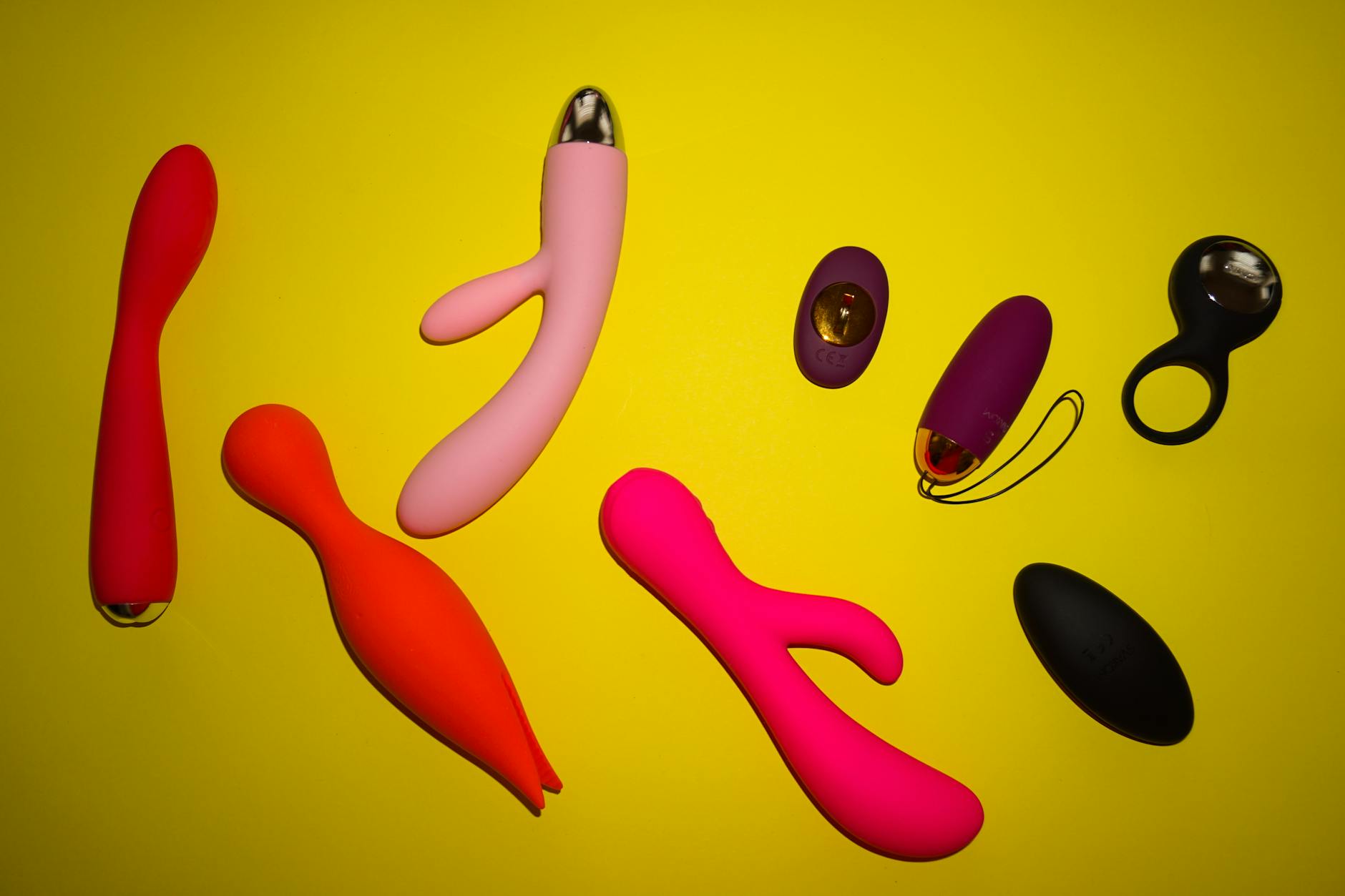
Photo by FounderTips on Pexels
The relationship conversation
If you're partnered and tissue sensitivity is affecting shared intimacy, name it directly. "My body is responding differently to stimulation" is a complete sentence. You don't owe anyone an explanation of mechanism or timeline.
Many partners feel relief learning this is about tissue, not desire. It depersonalizes the shift. You can then explore together, which is where something like the Lem or another lemon clitoral vibrator becomes a tool for both of you, not a replacement for connection.
If your partner wants to use a lemon sucker or other toy on you, communication is everything. Let them know what intensity feels good, what angle works, and that feedback isn't rejection. It's guidance toward what makes you feel best.
Why this matters beyond pleasure
Sexuality and pleasure aren't luxuries. They're part of nervous system health, relationship bonding, stress relief, and self-knowledge. When hormonal changes make pleasure harder to access, it's worth fixing.
Using the right tool, like a lemon clitoral vibrator designed for sensitivity, removes one barrier. Adding topical support if needed removes another. Communicating with partners removes a third. None of this is complicated, but all of it matters.
Your body isn't broken. It's shifted. And sometimes a shift just needs the right toy to feel extraordinary again.
People also ask
Why does my vibrator hurt during perimenopause?
As estrogen drops, genital tissue becomes thinner and dries out slightly. Traditional friction-based vibrators can feel sharp or abrasive on thinner tissue. If you're experiencing discomfort, try a suction-based toy like a lemon clitoral vibrator, which distributes pressure more gently. If pain persists, see a menopause-informed provider to rule out other tissue conditions.
Are lemon vibrators good for sensitive skin?
Yes. Lemon sucker toys use air-pulse suction instead of direct friction, making them gentler on delicate tissue. They're also a smart choice if you have vulvovaginal sensitivity, endometriosis-related pain, or post-procedure healing. The lack of mechanical pressure means less irritation.
How do I know if I need topical estrogen before using a vibrator?
If lubrication, a suction-based lemon clitoral vibrator, and low-intensity settings still cause discomfort or burning, topical estrogen therapy is worth discussing with your doctor. You'll know it's working within 2-3 weeks as tissue rebuilds. Then pleasure toys become enjoyable again.
Can I use a lemon vibrator during perimenopause?
Absolutely. In fact, many people find that suction-based lemon vibrators are more comfortable during hormonal transitions because they don't rely on tissue thickness. Start low, use water-based lubricant, and pay attention to what feels good.
What's the difference between a lemon sucker and a traditional wand vibrator?
A traditional wand vibrates back and forth against tissue, creating friction. A lemon sucker uses air-pulse technology to gently draw tissue into the toy, creating suction waves instead of friction. For sensitive or thin tissue, suction is gentler and often feels more intense because the nerve firing is more concentrated.
Will my pleasure come back after hormonal changes?
Yes. Tissue rebuilds, nerve sensitivity restores, and orgasm capacity returns. Often it's stronger afterward because you've learned what your body actually wants. The key is using tools and approaches that match your current tissue state, not trying to force what worked before.
What to do next
If you're navigating tissue sensitivity during hormonal changes, you have options. Start with a lemon clitoral vibrator or lemon sucker designed for gentler stimulation. Pair it with water-based lubricant and patience. If discomfort continues, reach out to a healthcare provider about topical support.
Pleasure isn't something you lose. It's something you sometimes need to find in a new way. And that's okay.
Have questions about what might work best for your body? Get in touch. We're here to help.