Let's talk about what actually changes
Your arousal isn't gone. It's just arriving on a different schedule now. After birth, whether vaginal or cesarean, your body has been through genuine trauma. Not in a dramatic sense—in a literal, physiological sense. Everything from hormones to nerve sensitivity to pelvic floor tension rewires itself, and that rewiring takes months. Most people get told "you're healed" at six weeks postpartum, then get blindsided when pleasure feels totally different.
Here's what I see in my practice: people assume the flatness means they've lost desire forever. They haven't. They've lost familiarity. And that's a completely fixable problem.
Why postpartum arousal feels slower (and sometimes more intense)
Three things happen simultaneously after birth, and they all affect how your body responds to touch.
First, prolactin spikes if you're breastfeeding. This hormone tells your body to focus on milk production and infant bonding, not sex. Your arousal threshold goes up. You need more time, more stimulation, more mental space to get there. This isn't a sign of low libido. It's your body being literal about its priorities.
Second, your pelvic floor spent nine months being stretched and nine seconds being compressed through birth. Even after "recovery," the nerves are recalibrating. Some people report hypersensitivity. Others feel numb. Most cycle between both depending on the day. This is why what worked before birth might feel wrong now. Your tissue isn't damaged. It's just different.
Third, the hemorrhage of sleep deprivation and emotional load leaves almost no bandwidth for arousal. Your nervous system is stuck in sympathetic mode—fight-or-flight—because you're literally on alert 24 hours a day. Arousal requires parasympathetic activation. Rest mode. If you're running on three-hour sleep cycles and your brain is constantly scanning for threats, your body's pleasure response flatlines. Not because you've changed. Because you're exhausted.
Why lemon clitoral vibrators work better than before
Here's the thing about postpartum bodies: the clitoris itself doesn't change. The nerve density is the same. What changes is how much stimulation you need to activate those nerves, and how much time you need to build that stimulation safely.
Lemon vibrators, especially the suction-based design, bypass a bunch of the friction and pressure that can feel overwhelming on sensitive postpartum tissue. Instead of relying on direct contact—which can feel raw or irritating—suction creates a gentler, more diffused sensation that still reaches the nerve endings. You're not forcing your tissue to respond the old way. You're meeting your current body where it actually is.
Many of my clients report that lemon vibrators feel less aggressive than traditional vibrators because there's no grinding sensation. The patterns are rhythmic without being repetitive in the way that makes postpartum bodies feel numb.
The practical setup that actually works
If you're six weeks to six months postpartum and you want to reintroduce pleasure, here's what I recommend.
Timing matters more than you think. Don't try to reconnect during your "sex window." That window doesn't exist right now. Try touch during the afternoon when your baby naps and you've eaten something, not at midnight when you're fried. Your nervous system has to be somewhat available. That's not asking too much. That's basic biology.
Start solo first, with zero pressure. Your partner doesn't need to be part of this yet. Explore your postpartum body by yourself with lemon vibrators. Spend twenty minutes learning what feels good at patterns 1 and 2, not rushing to intensity 5. You're not trying to climax. You're gathering data about how your body responds now.
Lube is non-negotiable. Even if you've never needed it, use it now. Hormonal changes after birth thin vaginal tissue. Adding friction on top of that is just punishment. Water-based lube isn't a sign of something wrong. It's you working with your body instead of against it.
Set the scene in a weirdly practical way. Close the door. Tell your partner you're taking thirty minutes. Silence your phone. Your postpartum nervous system is hypervigilant. You cannot access pleasure while scanning for the baby's cry. Make it actually safe first.
When your partner wants to reconnect before you're ready
This is the sticky one. You're supposed to be healed. They want physical intimacy again. You feel like your body isn't yours anymore. Everyone loses.
Have this conversation before clothes come off: "My body is changing how it responds to touch. That doesn't mean I don't want you. It means I need time and a different rhythm." Then actually show them that rhythm by exploring lemon vibrators together, with the vibrator as the main event, not foreplay to something else.
When your partner watches you use a lemon clitoral vibrator on yourself, they're seeing exactly what your current body needs. No guessing. No failure. Just data. How to Use Lemon Vibrators When Your Partner Wants to Watch But Feels Like a Spectator breaks down how to make that feel connected, not performative.
The weird permission thing that actually helps
Postpartum, your body becomes this practical tool. Feed baby. Soothe baby. Don't drop baby. Somewhere in there, you stop believing your body is for pleasure. Using a lemon vibrator isn't medical. It's permission. Permission to spend twenty minutes on sensation that has nothing to do with anyone else's needs.
That permission rewires something. It tells your nervous system that pleasure still belongs to you. That postpartum doesn't mean permanent pause. That your body hasn't been permanently reassigned to service work.
You deserve that. Not later. Now.
The timeline is longer than you think (and that's okay)
I have clients who regain full arousal by month four. I have others who don't feel like themselves until month twelve or beyond. Both are normal. Hormonal shifts, tissue healing, and nervous system recalibration don't follow a calendar. They follow your actual recovery.
If you're exploring lemon vibrators at six weeks and it feels uncomfortable, that's fine. Wait. Your body isn't being stubborn. It's being honest. Try again at eight weeks, or ten. There's no deadline. The goal isn't to return to pre-baby pleasure as fast as possible. The goal is to discover what postpartum pleasure looks like. Sometimes it's slower. Sometimes it's deeper. Different doesn't mean worse.
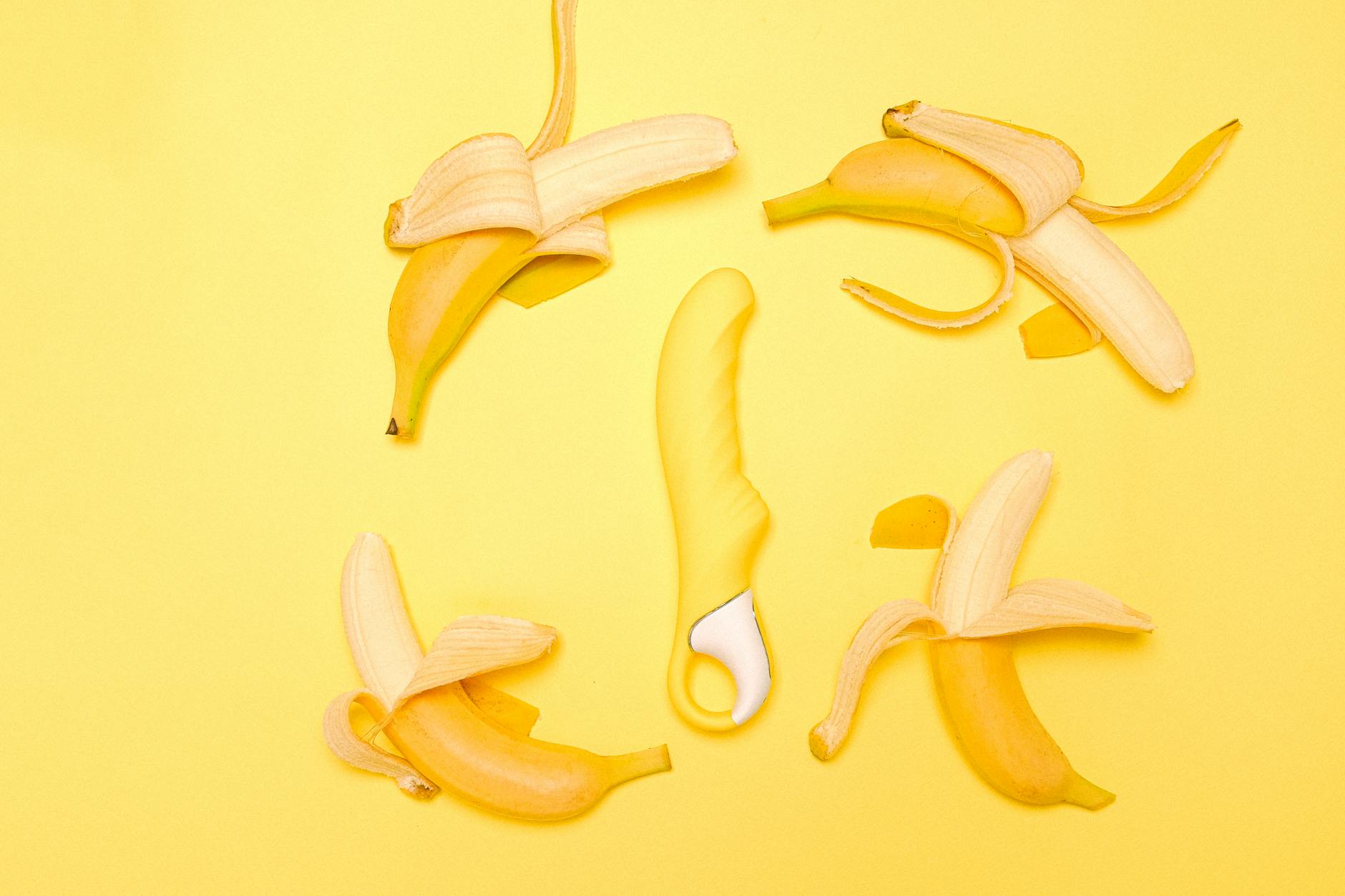
Photo by Anna Shvets on Pexels
When to pause and check in with a provider
If penetration still causes sharp pain at twelve weeks, mention it to your doctor. If the area around your episiotomy or tear feels numb or hypersensitive at four months, that's worth flagging. Pelvic floor physical therapy exists and it works. You don't have to white-knuckle through tissue that isn't healing right.
Also: if you feel completely absent from pleasure—not slow, but flat—and it persists past six months even with rest and reduced anxiety, postpartum depression or postpartum anxiety might be part of the picture. Lemon vibrators can't fix that. A therapist can. Both matter.
The thing nobody tells you
Your postpartum body doesn't need to feel like your pre-baby body to be okay. Some people spend months trying to reclaim what was lost instead of discovering what's new. Your clitoris hasn't gone anywhere. Your nerve endings are still there. Your capacity for pleasure is intact.
You're just learning it again. With lemon clitoral vibrators. On your timeline. That's not less-than. That's exactly what reconnection should look like.
People also ask
How soon after birth can I use a lemon vibrator?
Most providers say six weeks for intercourse, and that's the baseline for vibrator use too. But "cleared" and "ready" are different. If you feel physically healed and emotionally interested, you can start exploring at six weeks. If not, waiting until eight or twelve weeks is completely reasonable. Pain is a stop sign. Numbness isn't—that's normal postpartum nerve recalibration. Start at low intensity and use plenty of lube. Your body will tell you if you're pushing too hard.
Can I use a lemon vibrator while breastfeeding?
Yes. Breastfeeding changes arousal speed and prolactin levels, but vibrators are safe. You might notice that you need more time to feel aroused, or that intensity matters less and sensation matters more. That's prolactin doing its job, not a sign that something's wrong. If you're pumping instead of direct nursing, your hormones shift differently and arousal might feel closer to baseline sooner.
What if lemon vibrators feel too intense even on the lowest setting?
Wait. Your tissue might still be too sensitive. Some people do better with external touch—fingers, hands, or a partner—for another few weeks before introducing any vibration. There's no trophy for using a vibrator before you're ready. When you do introduce it, starting at the lowest pattern and spending five to ten minutes just getting used to the sensation (without orgasm as the goal) helps your nervous system adjust.
Does postpartum mean my orgasms will always feel different?
Sometimes yes, sometimes no. For some people, postpartum pleasure stabilizes back to baseline around month nine or twelve. For others, it stays different in ways they end up preferring. Your nervous system and tissue have genuinely changed. That doesn't mean worse. It means adjusted. Many of my clients report that orgasms feel more full-body postpartum, less clitorally focused, once they've given their body time to recalibrate.
Should I tell my partner I'm using a lemon vibrator if I haven't had sex yet?
That depends on your dynamic and your comfort. Some couples find it makes reconnection easier—it proves arousal is still there, and it removes pressure on partnered sex. Others prefer to handle solo exploration privately first and introduce partnership later. There's no universal right answer. What matters is that you're not hiding it out of shame. You're either choosing privacy or choosing transparency. Both are valid.
Can I use a lemon vibrator if I'm still healing from a tear or episiotomy?
Direct contact on the tear site? No. But lemon vibrators can be used on intact tissue once you're cleared. If your healing area still feels tender, keep stimulation away from it. Most lemon vibrators give you directional control because they're external-focused. You can position yourself to avoid irritation while still accessing sensation where you need it.
Your postpartum body is still a body that deserves pleasure. It's just asking for patience, lube, and the right tools. Lemon clitoral vibrators were designed for bodies exactly like yours right now. Not eventually. Now.